
创始人 FOUNDERS · 人物专访
石精华 Shi Jinghua
节目介绍:加拿大抗肿瘤康复协会会长
两集对话,听石精华回顾跟师与求学经历,讲他对体质、中医基本功和“先实践,后理论,再实践”的理解。
主持:聚焦传媒 CEO 余佩珊 Sarah Yu
观看完整访谈 ↓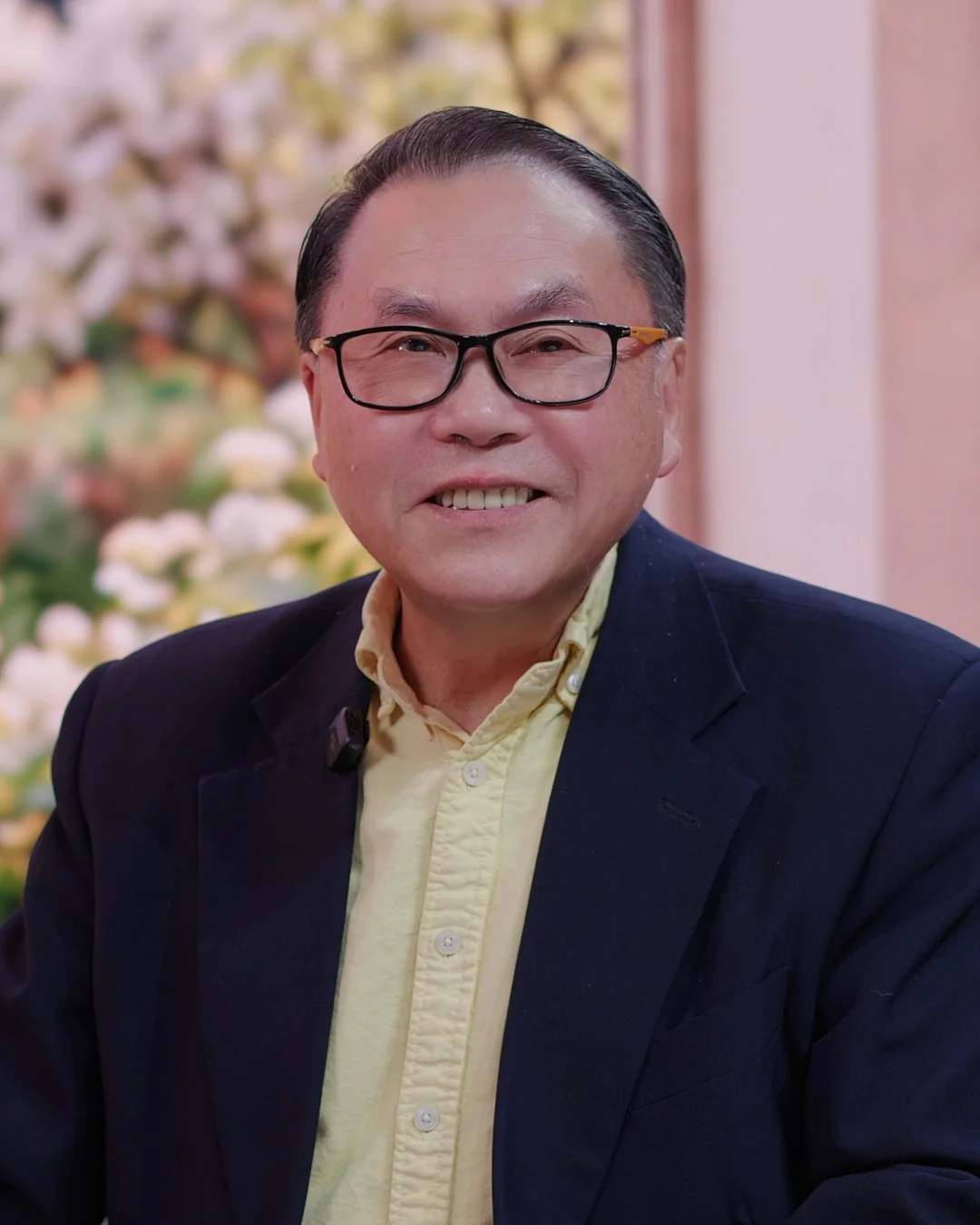
完整对话,从这里开始
选择一集,听他亲自讲述。
节目介绍石精华为加拿大抗肿瘤康复协会会长。他在这组上下两集的对话中回顾跟师与求学经历,讲述自己对身体、体质和中医基本功的理解,并分享“先实践,后理论,再实践”的学习方法。聚焦传媒 CEO 余佩珊 Sarah Yu 主持。
“Canadian Anti-Cancer Rehabilitation Association”为本页对协会中文名的编辑译法,尚未核实为协会官方英文名称。
普通话原声,附中文字幕与英文翻译字幕。文字稿据节目字幕整理,未区分说话人;英文文字稿为译文,并非英文配音。
健康相关说法均为受访者在节目中的个人经验与观点,不构成医疗建议。
播放视频会连接 YouTube。您也可以直接阅读下方文字稿;英文稿为制作方提供的翻译。
上集 · 5:41 · 2026-10-26
看懂你的身体
石精华回顾从跟师学习到后续求学的经历,并介绍他所说的协会工作范围:围绕主体治疗之前与之后的预防和康复。他在节目中用草地作比喻,解释自己对亚健康、体质和“调理”的理解,并谈到中医里的“温”与“通”。这些说法均为他的经验与观点。 健康相关说法均为受访者在节目中的个人经验与观点,不构成医疗建议。
按原片章节观看
章节概括节目中的说法,不代表本站对专业结论或资历的独立核验。
阅读中文原始文字稿
原稿保留嘉宾原话与制作方译文,未经独立事实核验,不构成医疗建议。
石精华|加拿大抗肿瘤康复协会会长|创始人 上集|余佩珊 Sarah Yu 对话
https://youtu.be/NZc8LhUcOa8
(文字稿据节目字幕整理,未区分说话人;主持:余佩珊 Sarah Yu)
(本节目内容为受访者个人经验与观点,不构成医疗建议;有健康问题请咨询持牌医生。)

[0:00] 精彩预告
中医到底能够起到一些什么样的作用
是世界卫生组织对人类的话
做了一个大致的判断
就基本上是完全健康的
人大概只有5%左右
我已经确定明确有生病的人占20%
中间状态呢 中间状况它称为
亚健康有75%
你问问你自己你知道你自己多少吗
你完全了解你自己吗
真正地说很多人不太了解自己

[0:34] 从师承到中医博士
非常感谢您对中医抗肿瘤
这一方领域里的贡献
您能给我们大概介绍一下您自己
早年的时候是跟师父学的
跟师父学到后来以后才读了
医学的本科读完本科以后后来
又到广州中医药大学又读了
中西结合治疗恶性肿瘤的
一个硕士学位后来又读了
中医学的博士学位
所以这一个领域再加上我自己
在温哥华这边从业医疗在中医
这个临床领域里面有
三十多年三十多年的经验

[1:14] 抗肿瘤协会做什么
因为在加拿大的情况来讲
治疗肿瘤病人还是以西医为主的
按照西医这边的医疗系统来讲
所以我们在治疗这一块的话
我们基本上就是不去
干预不做这一块 你们是预防
我们在预防或者是
他治疗之后的康复这两个等于
说是他在治疗主体的
一前一后在这两个领域
我就跟我的导师陈瑞生教授
在门诊的时候就发现在中国
大部分是这种情况有些
基本上是肿瘤的患者经过了
西医的一些治疗之后
然后他们就到了一定的程度
就把这个患者介绍给中医来
治疗中医在治疗肿瘤这一块的话
它可以发挥什么作用呢
第一个就是跟西医的
化疗放疗配合的时候
它可以用中药中药针灸
可以达到一个减毒增效的作用
就是减掉它的毒副作用
同时还可以增加它的疗效

[2:20] 75% 的亚健康还要分三种
我们中医也就把它更加细分一些
就是这75%的人我们
又可以分成三到四个阶段比如说
我们就是有一种人呢
是属于这个即将生病的
他是已经到了边缘程度上
但是人是有这种状况当他
还没有发现突发疾病的时候呢
他好像很像一个正常人一样
但是一段时间突然你
就会发现很多人就会突发脑溢血
突发心脏病等等突发现象这种
情况它是一种就是一部分人
是已经接近生病的边缘这是
一种另外一种就是已经有
小病身上有各种各样的小毛病
或者是一种或者是多种比如说
长期的胃病比如说长期的咳嗽
这些都是小病另外一种就是身体
它有潜在的毛病比如说像
我们现在看到这片草地好像是
这个草地的话绿草茵茵
但是可能你挖下去以后它
那个土地里面有各种各样的
杂根在里面如果说你是
一段时间不打理比如说
你回国几个月以来它
可能杂草丛生就出来了
所以这个怎么样把它
这个潜在的毛病挖掘出来
这又是一方面

[3:36] 治病和调理不是一回事
从西医的角度来治病的角度来说
比如说你这个人拉肚子大肠杆菌
那吃了西药马上治好了它是治病
相对来讲我觉得是针对细菌性
各种外在来的毛病它
能够止住它这种情况的话
是治疗那么我们调理中医
一般来讲调理为什么用调理
这个词因为在我们中医来看的话
把人从中医的角度来讲
把它分成九种类型就是说你
是平和型的人正常的
很健康的属于这种其他的人
可能有的人偏气虚有的
人偏阴虚有的人像我们
像温哥华这个地方的人
很多是属于寒湿型像广东啊
其他偏热的地方有湿热型的
人多这边也有湿热型的人
多就是我们把这个人人分成了
几种体质之后在这个帮
他调理的过程中希望
他能够从他原来的比较偏颇的
体质调整到正常的体质这么
一个一小步一小步的调理
然后就变成了大的就是治疗疾病了

[4:46] 中医就讲两个字:温和通
那艾灸您觉得怎么样
艾灸的话它是很有作用的
因为它是属于温阳的
因为现在目前来讲有大部分有
不少的病人的话是跟身体
里面的热量不够经络里面的能量不够
中医特别讲究这两个字
一个是温一个是通
所以的话我们在排毒在针灸
在推拿它通这是起的通的作用
但是再加上艾灸或者是一些电
温热的力量然后的话
它就起了温的作用它
就可以促进经络的通畅
促进经络的通畅也可以促进
血液循环也就是可以说
从中医的角度来讲可以说提升
你自己的治愈能力从西医的
角度来讲是提升你的免疫力
阅读英文翻译文字稿
原稿保留嘉宾原话与制作方译文,未经独立事实核验,不构成医疗建议。
Shi Jinghua, President, Canadian Anti-Cancer Rehabilitation Association | FOUNDERS Part 1
https://youtu.be/NZc8LhUcOa8
(Transcript from the episode's English subtitles, translated from the Chinese interview; speakers not labelled. Host: Sarah Yu.)
(The views expressed are the guest's own experience and opinions and do not constitute medical advice. Please consult a licensed physician about any health concern.)

[0:00] Highlights
What can Chinese medicine actually do? The WHO made a rough assessment of the human population: people who are basically fully healthy are only about 5%. Those clearly confirmed to be ill are 20%. And the in-between? The in-between state is called sub-health: 75%. Ask yourself: how much do you really know about yourself? Do you fully understand yourself? Honestly, many people don't really know themselves.

[0:34] From apprentice to PhD in Chinese medicine
Thank you so much for your contribution to TCM in cancer care. Could you tell us a bit about yourself? In my early years I learned under my master. After learning under my master, I went on to study a bachelor's in medicine. After that, I went to Guangzhou University of Chinese Medicine for a master's in integrative treatment of malignant tumours, and then a doctorate in Chinese medicine. So this field, plus my own practice here in Vancouver, in Chinese medicine, in clinical practice, adds up to more than thirty years of experience.

[1:14] What the anti-cancer association does
Because in Canada, the treatment of cancer patients is mainly Western medicine, following the Western medical system. So on the treatment side, we basically don't intervene; we stay out of it. So you focus on prevention? We work on prevention, or recovery after treatment. These two are, so to speak, around the main treatment, one before, one after. Those two areas. I was with my supervisor, Professor Chen Ruisheng, in clinic, and we found that in China it was mostly like this: some tumour patients who had been through some Western-medicine treatment, and had then reached a certain stage, would be referred to Chinese medicine for treatment. So in treating tumours, what role can Chinese medicine play? First, when used alongside Western chemotherapy and radiotherapy, herbal medicine and acupuncture can reduce toxicity and enhance efficacy: that is, cut down the toxic side effects and at the same time boost its efficacy.

[2:20] Sub-health comes in three kinds
In Chinese medicine, we break it down a bit further. Those 75% of people, we can divide into three or four stages. For example, there's one kind of person who is about to fall ill. They're already right at the edge. But people in this state, as long as no sudden illness has struck yet, look just like a normal person. Then after a while, suddenly, you find many people suddenly have a brain hemorrhage, a sudden heart attack, that kind of sudden event. That's a portion of people who are already close to the edge of illness. That's one kind. Another kind already has minor ailments, all sorts of little problems, one or several of them. For example, a chronic stomach problem, a chronic cough. Those are minor ailments. Another kind: the body has hidden problems. For example, look at this lawn here. It seems the lawn is lush and green, but if you dig down, there may be all kinds of weed roots in the soil. If you leave it untended for a while, say you go back to China for a few months, it may come up overgrown with weeds. So how to dig out those hidden problems: that's another part of it.

[3:36] Treating vs. conditioning
From the Western angle of treating disease, say someone has E. coli diarrhea. They take a Western drug, it's cured at once. That's treating. Relatively speaking, I think for bacterial and other externally caused problems, it can stop them. That kind of thing is treatment. Now, TCM's conditioning: generally we say conditioning. Why use that word? Because the way we in TCM see it, people, from the TCM perspective, are divided into nine types. Say you are the balanced type, normal, very healthy, that's one. Others may lean toward qi deficiency, some toward yin deficiency. Some, like us here in a place like Vancouver, many are the cold-damp type. In Guangdong and other hotter places, the damp-heat type is common. Here there are also many damp-heat people. So once we've sorted people into these constitution types, as we condition them, we hope they can move from their original, skewed constitution toward a normal one. Step by small step, conditioning like that, and then the big step is treating disease.

[4:46] Warmth and flow
What do you think of moxibustion? Moxibustion is very effective, because it's a yang-warming method. because nowadays a large number, quite a few patients, have problems tied to the body's lack of heat, not enough energy in the meridians. TCM especially stresses two words: one is 'warm', one is 'flow'. So in detox, in acupuncture, in tuina, that's the 'flow' at work. But add moxibustion, or some electric warming heat, and then that provides the 'warm'. It can promote free flow in the meridians. Promoting flow in the meridians also promotes blood circulation. That is to say, from the TCM angle, it raises your own healing capacity; from the Western angle, it boosts your immunity.
下集 · 5:23 · 2026-10-26
中医的硬功夫
石精华从风池、足三里等穴位名称谈起,介绍自己对中医术语和手法的理解。他讲述个人点穴实践,并借钢琴老师的比喻说明自己的思路;谈到专业基本功时,他强调守神与专注,最后回到“先实践,后理论,再实践”的学习方法。 健康相关说法均为受访者在节目中的个人经验与观点,不构成医疗建议。
按原片章节观看
章节概括节目中的说法,不代表本站对专业结论或资历的独立核验。
阅读中文原始文字稿
原稿保留嘉宾原话与制作方译文,未经独立事实核验,不构成医疗建议。
石精华|加拿大抗肿瘤康复协会会长|创始人 下集|余佩珊 Sarah Yu 对话
https://youtu.be/PLeAkfKUXUM
(文字稿据节目字幕整理,未区分说话人;主持:余佩珊 Sarah Yu)
(本节目内容为受访者个人经验与观点,不构成医疗建议;有健康问题请咨询持牌医生。)

[0:00] 精彩预告
我问你一下比如说足三里这个穴位
我看好像基本上什么病都扎那块
那是什么回事
所以的话它是一个治疗
就是调理身体和治疗的一个万能穴
万能穴
而且它也是一个健康长寿穴

[0:22] 穴位名字里有学问
中医里面有很多这个
奥妙比如说我简单的
就讲一个你说很多穴位
它用现代的来讲它是用这个
什么经络用字母来代替用号码
来代替但是它没有内涵
比如说我们讲的我们头顶这个
风池穴但是风池穴它既然是
风池穴那么它就会讲到你
这个大家就很容易联想水池
那就是储存水的地方那么风池
就很容易是储存风的地方你看
现在很多女性的朋友来头痛她
这个地方风池穴酸痛得特别厉害
这个地方很多女性头发
也挺长的也遮得住但她
这个地方还是很容易受风比如说像
你风池穴风府穴等等它
这些里面它虽然就比你
阿拉伯字母然后来代替某个
那就有更深刻的含义

[1:22] 足三里为什么是万能穴
我问你一下比如说足三里这个穴位
我看好像基本上什么病都扎那块
那是什么回事
足三里这个地方它主要
是调理肠胃所以调理肠胃
那么中医讲的话人肾是
先天之本脾胃是后天之本先天
你是没有办法决定的
你父母遗传好那你自己
就是一个得到一个好的遗传
父母在某些方面有些缺陷
那你也多多各方面
也承载着相应的这个缺陷
但是中医就讲的话呢
无论你是先天好的人也好
后天的人也好中医特别强调
就是后天的保养
它就可以帮你补充
所以的话它是一个治疗
就是调理身体和治疗的一个万能穴
万能穴
而且它也是一个健康长寿穴
在手法上它针刺的时候
也是会有很多讲究的
那如果说我是要补那我
就用方向性往上调然后这个力度
再加上它给它传导一些温热
感上去那它就起了补的作用
所以它中医的这种穴位的话
它都可以双向来调节的

[2:35] 他独创的点穴疗法
除了针刺之外的话
我现在自己比较独创的
就是有个点穴疗法
大概讲一下吗
点穴疗法基本上就是说
我是把针灸和推拿结合在一起
针灸的话它是通过针刺就是针刺到
你皮肤里面在经络上面刺激
这个穴位但是我是用手指
或者工具的力量直接施于你
这个穴位上面然后你会感觉到
有时候会感觉到跟针灸
一样的效果甚至有时候
比针灸更强的效果
另外这个我打一个比方可能
也比较容易的比如说像
你现在是个老师你钢琴老师
你现在教一个学生那我
就教你授课怎么弹什么技巧
节奏等等音准等等把它教了
之后那这个学生学了之后
他回去以后他不练他一个星期来
再跟你学一次这种普通的效果
就是这种效果但是如果他
你通过你的教育启发了
他对钢琴的爱好和兴趣
他自己很愿意学回去
不光是按你的要求来复习
而且他会主动地自己加量
他喜欢上这个东西了
那么它就起到这个很好的效果了
所以这个也就是说局部
治疗和整体治疗的差别局部
治疗它起的作用它是一时的
局部的是短暂的是有限制的
但是整体治疗了以后它启动了
整体治疗以后它就可以持续地帮
你在进行治疗

[4:02] 好医生差在哪
但有些人他就是会说什么呢
说针就不能扎太多针
说扎多了就容易虚
对啊对
多少针算是正常的
你看医生的水平怎么样
而且的话他在具体帮病人
治疗的时候他这个医生
他必须自己的功力要比较好
而且他在治疗的过程中
他很守神他很专注因为他
也是有能量的对
他把他的能量灌输进去另外的话
他在治疗的过程中他基本上
跟这个患者他保持不是离开
很远这种状况才能做得到
所以这里面有很多具体的
技巧在里面的

[4:42] 先实践,后理论,再实践
基本上我是走的一条先实践后理论
然后再理论的实践这么一条道路
因为老师的话他是有经验的医生
或者是他们是经过了多几十年的积累
然后对某一种积累对某一类的
他形成了一套他固定了
一些做法那么有些事情可能
你不知道怎么其中很深奥的
道理的时候但是你按照他的
这个方法来进行模仿的时候
你的效果就要比你自己
摸索那就强得多
那我们今天非常感谢您的
分享让我们也是受益良多
阅读英文翻译文字稿
原稿保留嘉宾原话与制作方译文,未经独立事实核验,不构成医疗建议。
Shi Jinghua, President, Canadian Anti-Cancer Rehabilitation Association | FOUNDERS Part 2
https://youtu.be/PLeAkfKUXUM
(Transcript from the episode's English subtitles, translated from the Chinese interview; speakers not labelled. Host: Sarah Yu.)
(The views expressed are the guest's own experience and opinions and do not constitute medical advice. Please consult a licensed physician about any health concern.)

[0:00] Highlights
Let me ask about the point Zusanli (ST36). It seems to get needled for almost everything. What's that about? So it's a treatment point, an all-purpose point for conditioning the body and treating. An all-purpose point. It's also a point for health and longevity.

[0:22] What acupoint names tell you
within Chinese medicine, there's a lot of subtlety. Let me give one simple example. Take the many acupoints: in modern terms, they're labelled with a letter for the meridian and a number standing in. But that carries no meaning. For instance, this point on our head, Fengchi. Since it's called Fengchi, 'wind pool', the name itself tells you: people readily picture a pool of water, a place that stores water. So a wind pool is naturally where wind gathers. You see, many women come in with headaches now, and this spot, Fengchi, is extremely sore. Many of these women have long hair that covers this spot, yet it still catches the wind. So names like Fengchi, Fengfu and so on, these, compared with just an Arabic numeral standing for a point, have far deeper meaning.

[1:22] Why Zusanli is a cure-all point
Let me ask about the point Zusanli (ST36). It seems to get needled for almost everything. What's that about? Zusanli mainly regulates the stomach and intestines. In TCM, the kidneys are the foundation of the innate; the spleen and stomach, of the acquired. The innate you have no way to decide. If your parents' genes are good, you get a good inheritance. If your parents have flaws in some areas, then in many ways you too carry the corresponding flaws. But TCM says, whether your innate constitution is good or you depend on the acquired, TCM stresses looking after the acquired. It can help make up what's lacking. So it's a treatment point, an all-purpose point for conditioning the body and treating. An all-purpose point. It's also a point for health and longevity. And when needling, the technique matters a great deal, right? If I want to tonify, I direct it upward, and with the right force plus some warmth conducted into it, it tonifies. So in Chinese medicine, these points can all regulate in both directions.

[2:35] His own acupressure method
Besides needling, something I've developed myself is an acupressure therapy. Could you tell us a bit about it? Acupressure therapy basically means I combine acupuncture and tuina together. Acupuncture works by needling: the needle goes into your skin to stimulate the acupoint on the meridian. But I apply the force of my fingers or a tool directly onto the acupoint. Then you'll feel, sometimes you'll feel the same effect as acupuncture, and sometimes even a stronger effect than acupuncture. Let me use an analogy; it may be easier to grasp. Say you're a teacher, a piano teacher, teaching a student. You teach them how to play: technique, rhythm, pitch and so on. After that, once the student has learned it, they go home, don't practise, come back a week later for another lesson. Ordinary results, that's what you get. But if through your teaching you've sparked their love and interest in the piano, they really want to learn. They go home and not only review as you asked, they'll add more practice on their own. They've come to love it. Then it produces a really good result. So that's the difference between local treatment and whole-body treatment. Local treatment's effect is temporary, localized, short-lived and limited. But after whole-body treatment, it's activated; after whole-body treatment it can keep on treating you.

[4:02] What makes a great doctor
But some people will say, you shouldn't use too many needles, too many and you get depleted. Right, yes. How many needles is normal? That depends on the doctor's skill. And when he's actually treating a patient, the doctor has to have strong skill of his own. And during treatment he stays present and focused, because he has energy too, right. He channels his energy in. Also, during treatment he basically stays close to the patient, not far away; only then can it work. So there are many specific techniques involved.

[4:42] Practice first, then theory, then practice again
Basically, my path was practice first, then theory, then practice again. Because the teacher is an experienced doctor or has decades of accumulated experience, and for a certain type of problem has formed a set approach, some fixed ways of doing things. So some things, you may not understand the deeper reasoning behind them, but if you follow the teacher's method and copy it, your results will be far better than fumbling your way through on your own. Thank you so much for sharing today; we've learned a great deal.
这组对话,值得留意的几个切面。
从跟师到求学
石精华在上集自述,早年先跟师学习,后来继续读本科、硕士与中医学博士。他也回顾在温哥华从事中医相关工作的经历。这里介绍的是他在节目中的叙述,不把学位名称等同于当地执业注册头衔。
先听清他怎样解释
他在上集把协会工作描述为主体治疗前后的预防与康复,并用草地的比喻谈自己对“亚健康”的理解。他也比较“治病”和“调理”这两个词,在自己的中医语境中解释体质、“温”与“通”。这些内容用来理解他的思路,不作为观众自我诊断的依据。
把学习放回实践
下集从穴位名称进入专业基本功。他介绍自己的点穴实践,以钢琴老师如何引导学生作比喻,并强调专注与经验积累。对后来学习者,他总结的路径是先跟随有经验的人实践,再学习理论,再回到实践。
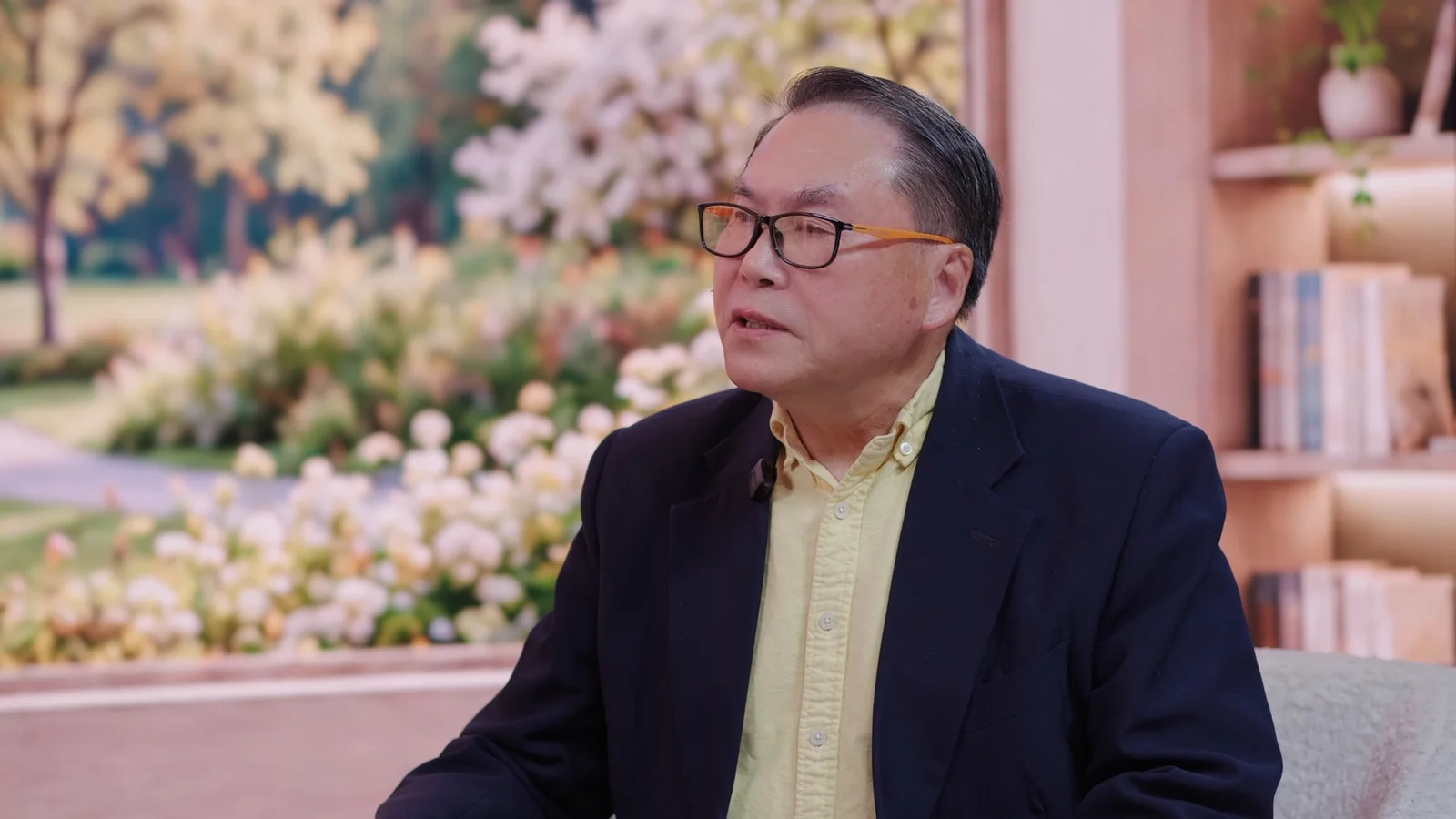
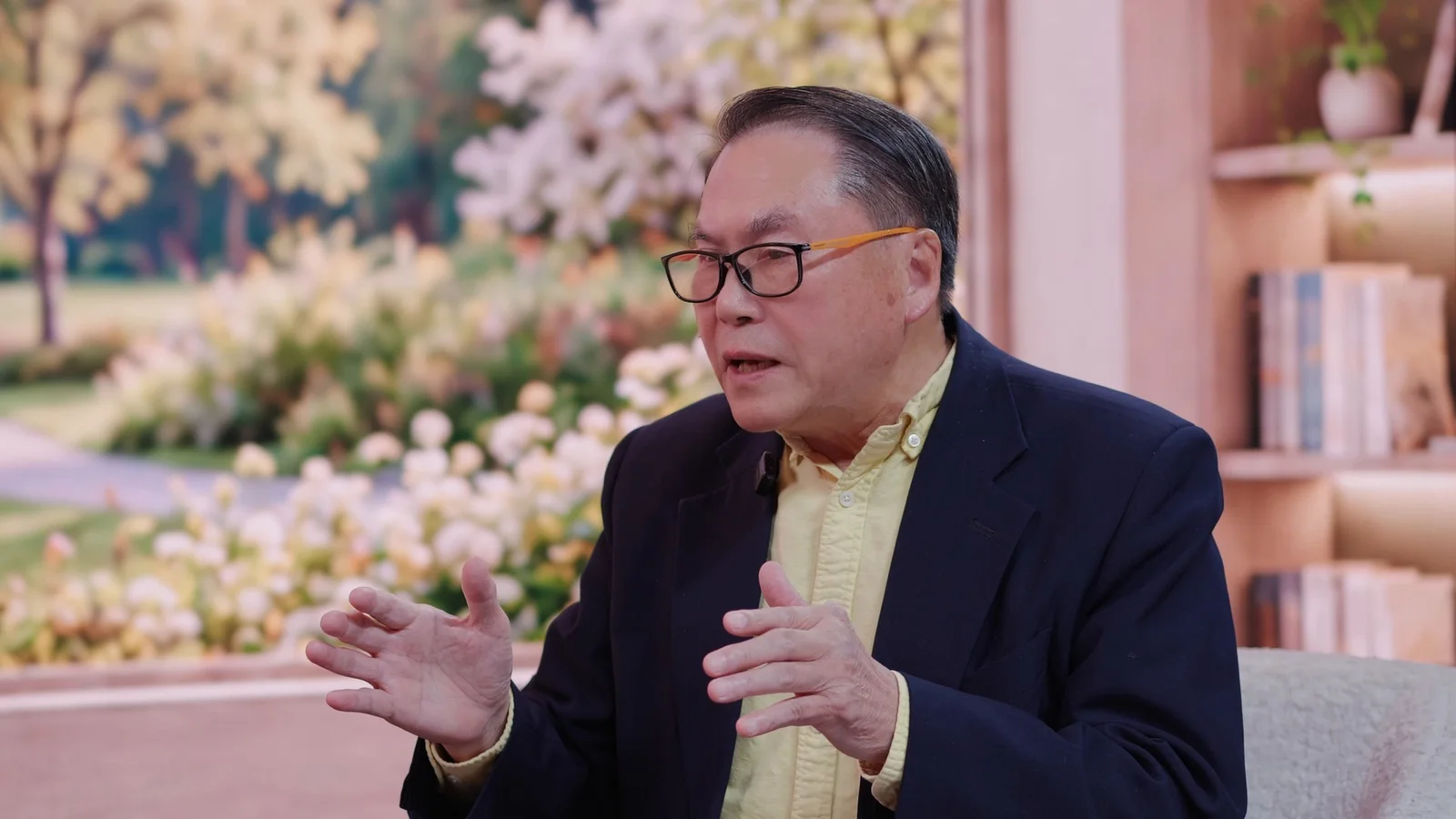
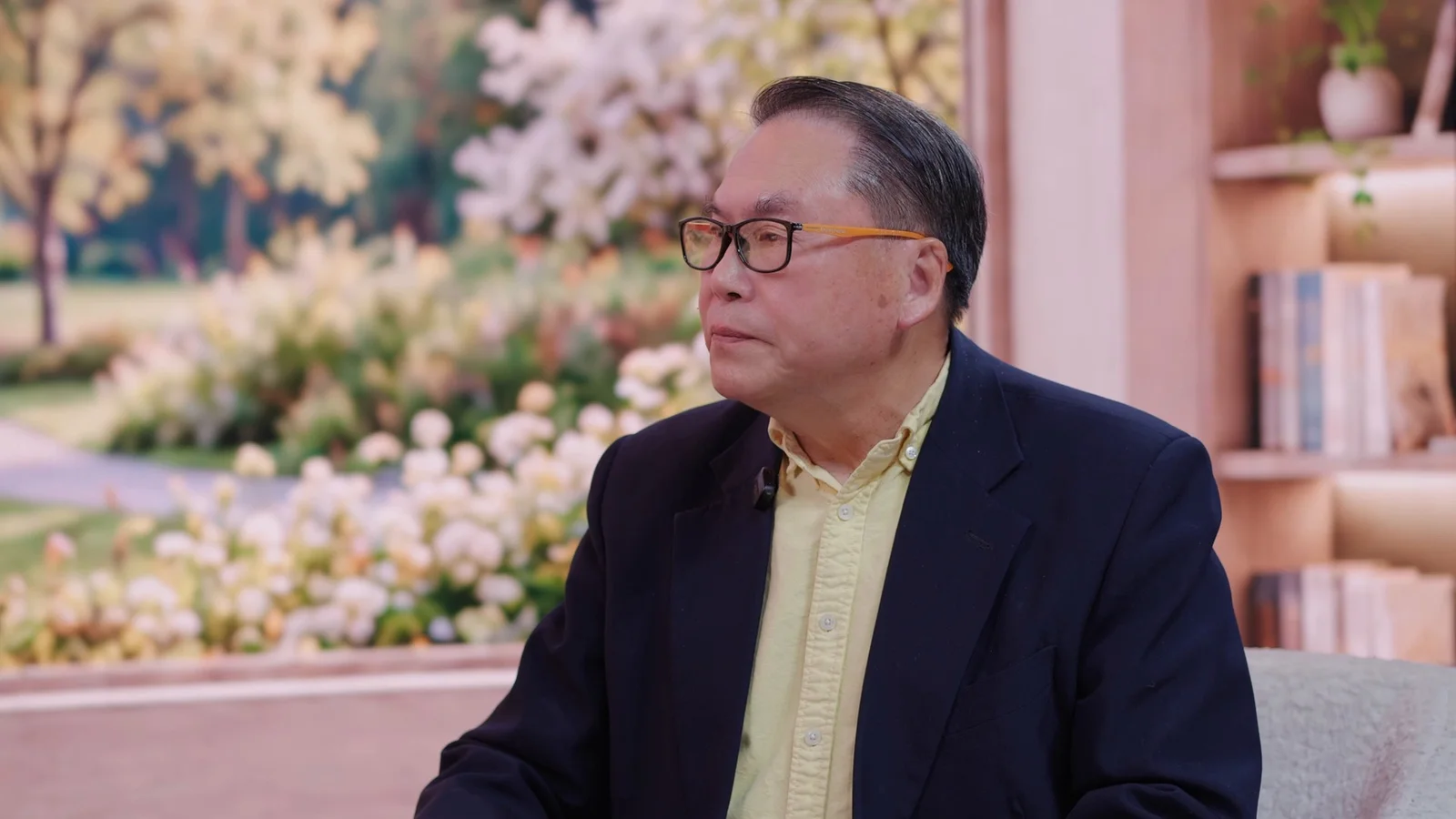
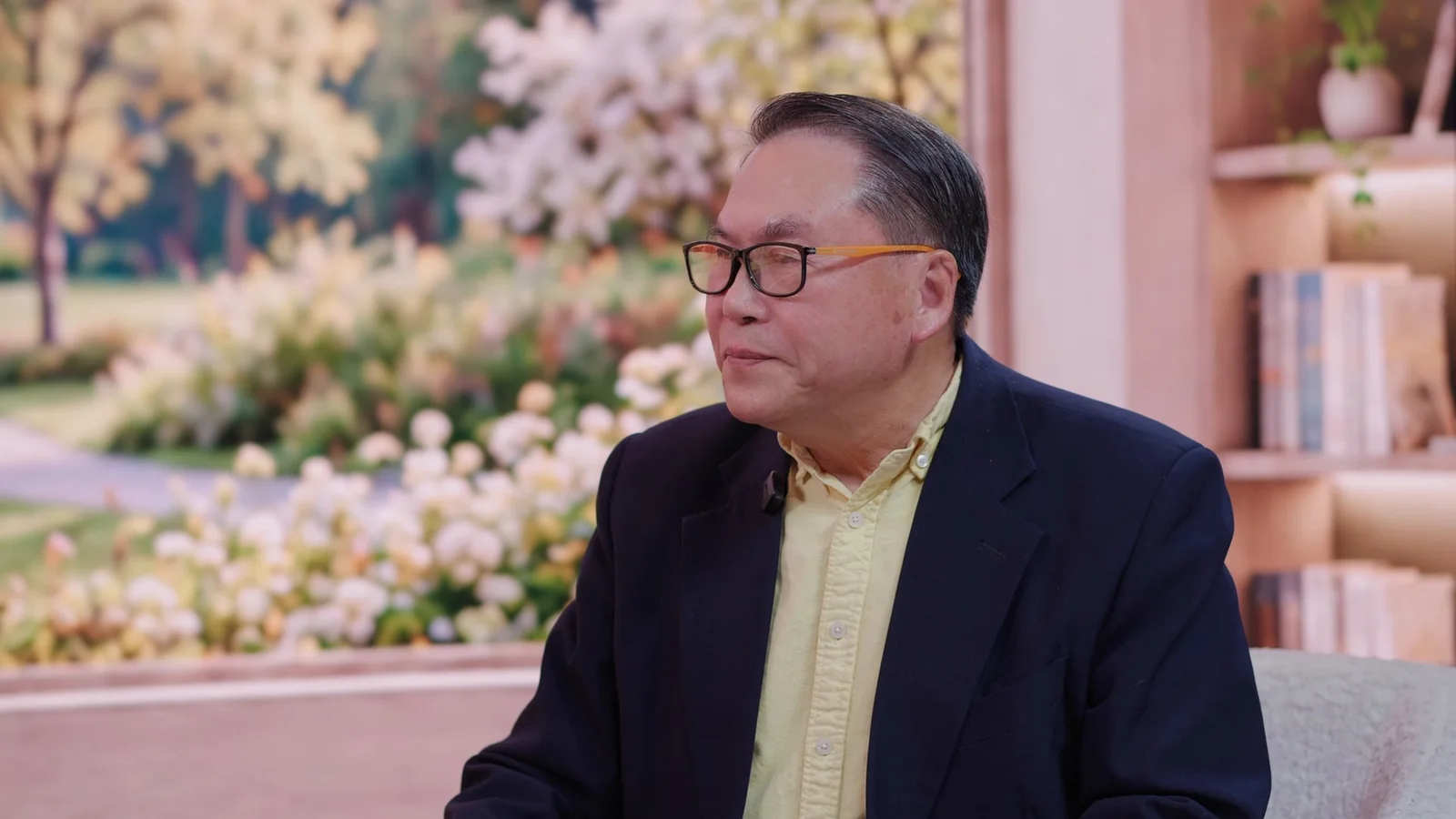
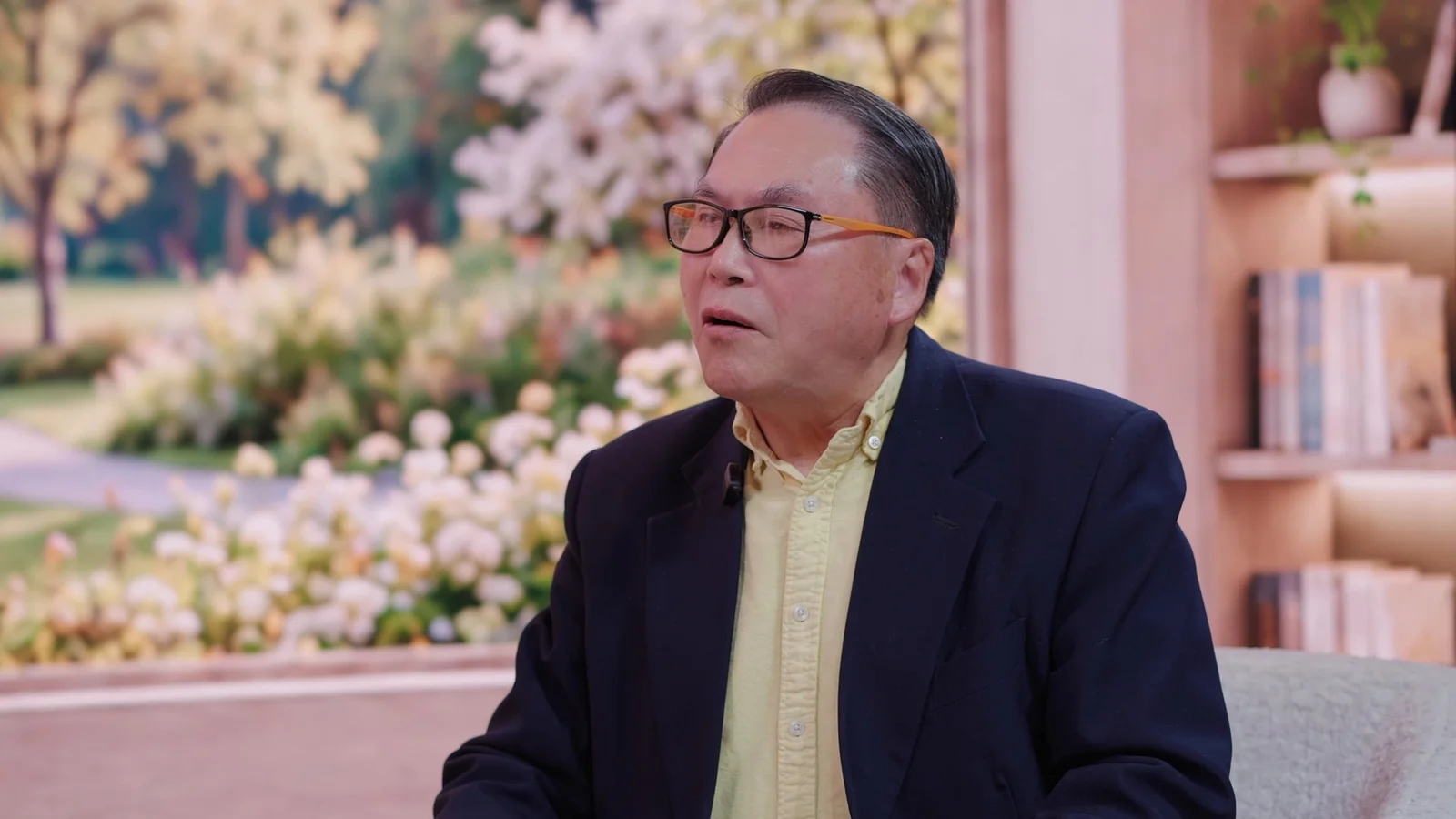
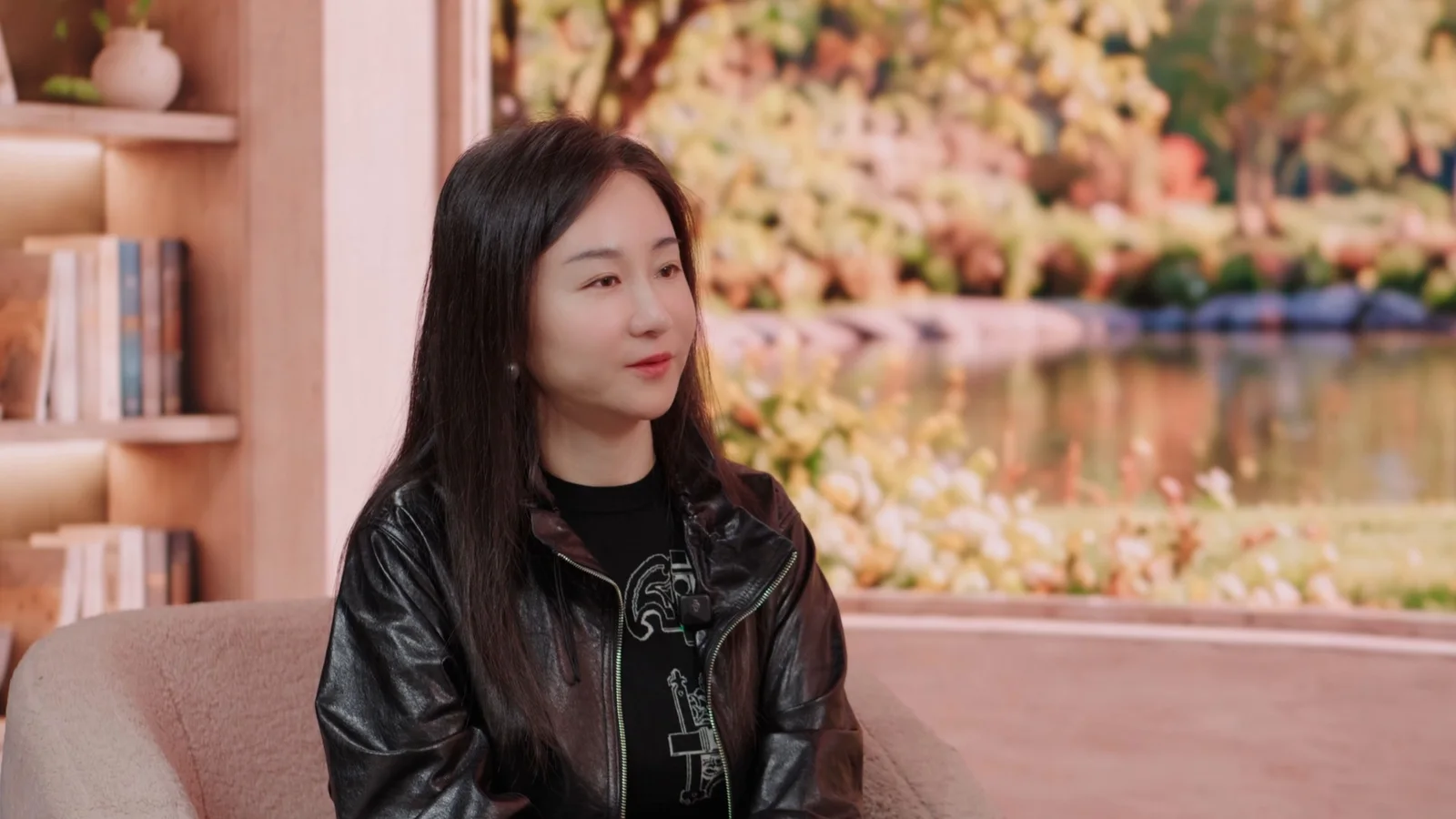
节目现场
让对话中的细节留下来。
关于人物与节目
石精华 Shi Jinghua 是谁?
节目介绍石精华为加拿大抗肿瘤康复协会会长。他在节目中回顾跟师学习、后续求学及在温哥华工作的经历,并说自己读过中医学博士。本页将这些内容作为他的自述,不据此证明当地医疗执照或特定执业资格。
他怎样描述协会的工作?
他在上集中说,协会不介入主体治疗本身,而把工作放在前后的预防和康复。这是他对协会工作范围的介绍,不是本页对协会临床服务、疗效或执业范围的认证。
协会英文名称从哪里来?
“Canadian Anti-Cancer Rehabilitation Association”是本页对“加拿大抗肿瘤康复协会”的编辑译法,尚未核实为协会官方英文名称。本页不据此添加协会官网或其他机构链接。
这两集的观看重点是什么?
上集“看懂你的身体”从他的经历和协会工作谈到体质与“调理”的个人理解;下集“中医的硬功夫”讨论穴位名称、个人实践、专注和学习方法。完整说法可结合章节、原片与文字稿阅读。
他分享了怎样的学习方法?
他在下集总结为“先实践,后理论,再实践”:先跟随有经验的老师学习做法,再理解理论,再回到实践。他强调的是自己的学习经历,不是供观众自行操作的治疗教程。
节目内容可以当作医疗建议吗?
不可以。健康相关内容是受访者个人经验与观点,聚焦传媒没有独立核实节目中的医学解释或效果说法。不要据此自行选择疗法或改变既有医疗安排;有健康问题请咨询持牌医疗专业人士。
节目、字幕与文字稿分别是什么语言?
原片为普通话,附中文字幕与英文翻译字幕。本页同时提供中英文文字稿及 TXT、SRT 下载;文字稿据字幕整理,未区分说话人。英文页面和译稿不代表有英文配音。
本页依据聚焦传媒提供的节目、字幕与制作资料整理。导读与原片、文字稿分开呈现;原稿保留节目中的说法,不代表本站核实了其中的学术经历、统计、医学解释或疗效。章节沿用节目导航;英文个别用词按网页语境审校。
节目中关于长寿、抗衰老、自然医学与中医的内容,均为受访者个人经验与观点,不构成医疗建议,也不作疗效保证;本页不建议据节目改变既有医疗安排。有健康问题请咨询持牌医疗专业人士。节目内容不代表加拿大聚焦传媒立场。
官网导读整理: