
Dr. Jia Zheng is a cosmetic physician at EverYoung. The clinic also introduces her and the team on its official Chinese about page.
A professional profile introduces a name and a field. An interview offers another way to meet the person: through their voice and participation in a conversation. These two programmes bring together host Sarah and EverYoung’s Dr. Jia Zheng, with separate starting points in non-surgical aesthetic medicine and facial balance.
If your interest in aesthetic medicine still feels broad, begin with the topic that is closest to your own question. You do not need to learn every treatment name before listening. A clear sense of what you want to understand is a useful place to start.
Which conversation would you like to explore?
Non-surgical aesthetic medicine: begin with your own question
The primary film above was originally published on December 7, 2024, and runs 16 minutes 1 second. Its subject is non-surgical aesthetic medicine, including facial-lifting topics.
Before pressing play, try writing down one sentence about your interest. Are you trying to understand a term you keep hearing, or looking for a clearer way to describe your expectations in a consultation? Keeping that sentence nearby can help you notice the parts of the conversation you would like to revisit.
When a passage connects with your question, note the time. That gives you a specific reference to return to, rather than a collection of terms to remember.
Facial balance: take a familiar phrase a little further
The companion interview was published on October 24, 2024, with a running time of 20 minutes 5 seconds. Its subject is facial balance. If that phrase brought you to this page, this is a useful programme to choose first.
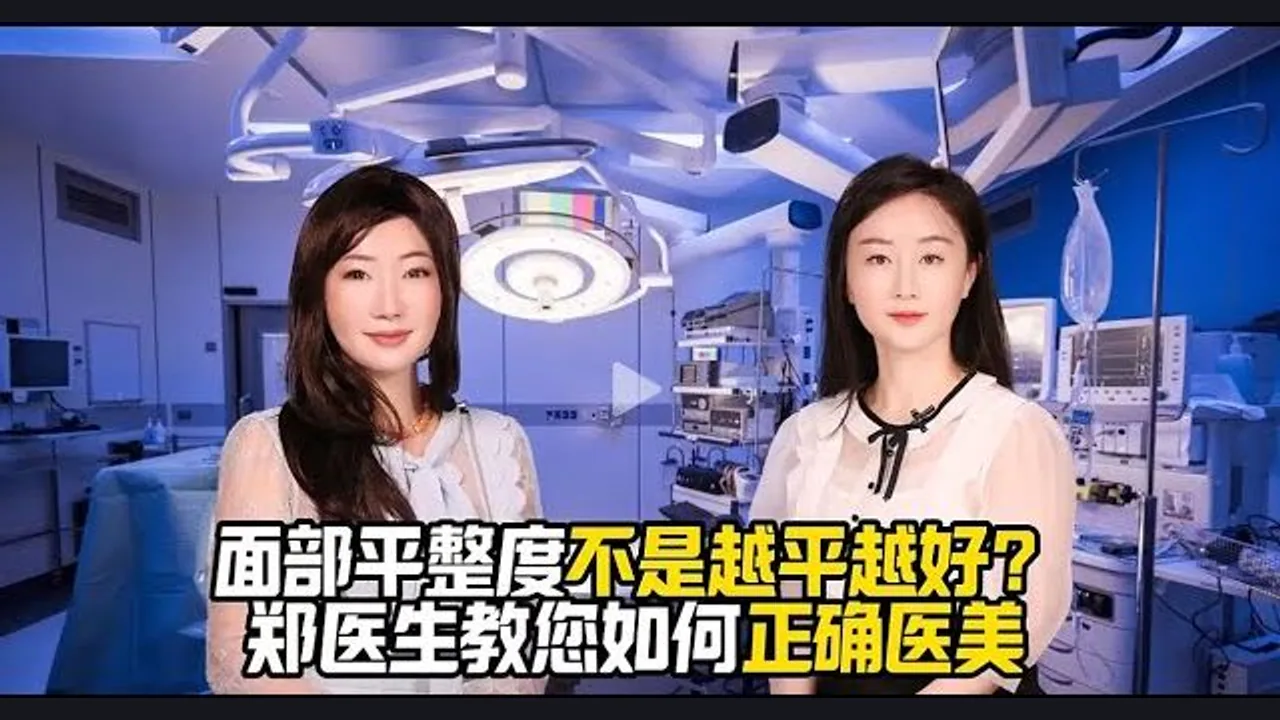
Watch the complete facial-balance interview on YouTube.
Three prompts to take into the conversation
Use the interview as an opportunity to give your own thoughts more shape:
- What am I hoping to understand? Describe your interest in everyday language before choosing a technical term or procedure name.
- Which expressions need an explanation? Keep the original word and the moment it appears, so you can ask a professional to explain it.
- What would I want to ask before making a decision? You might have questions about the process, suitability, possible risks or how to communicate your expectations. Keep those as questions for a personal consultation.
The purpose of these notes is to help you express yourself. Coming away with one precise question can be more useful than coming away with a long list of unfamiliar names.
You can also watch the two programmes separately. Each has its own focus, and there is room to pause, return to a section or leave a question open until you can discuss it with someone qualified to address your circumstances.
The value of meeting a person through dialogue
A full conversation gives a voice to the person behind the professional description. As a viewer, you can notice how questions are put, which language you find clear and where you would like a further explanation. That is part of learning what matters to you in a professional conversation.
100 Health Leaders is intended to preserve these opportunities for connection. By organising programmes around the guest, the series makes it easier to move from a broad interest to a particular conversation—and from listening to asking a better question.
Viewing context: This guide was curated in September 2026. Both Chinese-language films were published in 2024; this English page provides a viewing introduction. Historical conversations are not a substitute for individual medical advice. For current clinic information, visit EverYoung’s official website.
Meet another guest
Continue with Dr. Xiaoyun Lu’s conversations on sleep and reproductive health, or choose another guest in the 100 Health Leaders directory.