跳到主要内容
Focus Media
  1. 首页
  2. 2026 BC 省选访谈
  3. 李珍 Linda Li

聚焦传媒 · 访谈制作作品

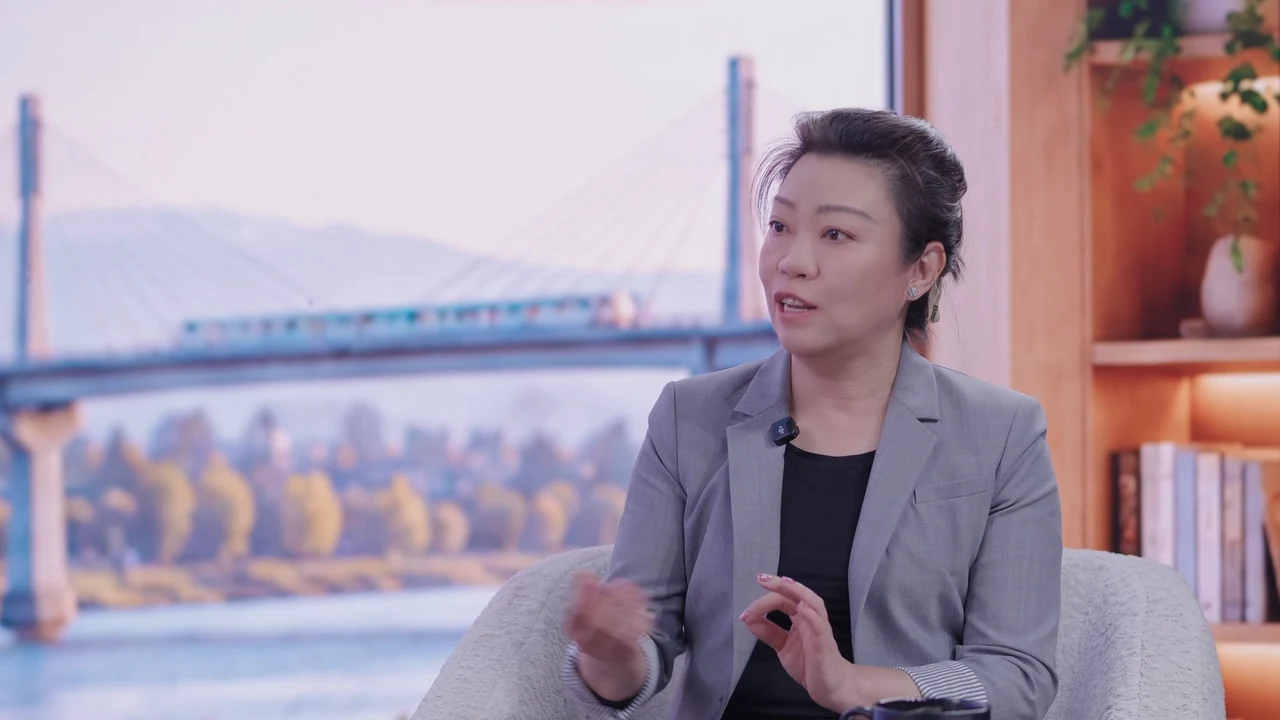
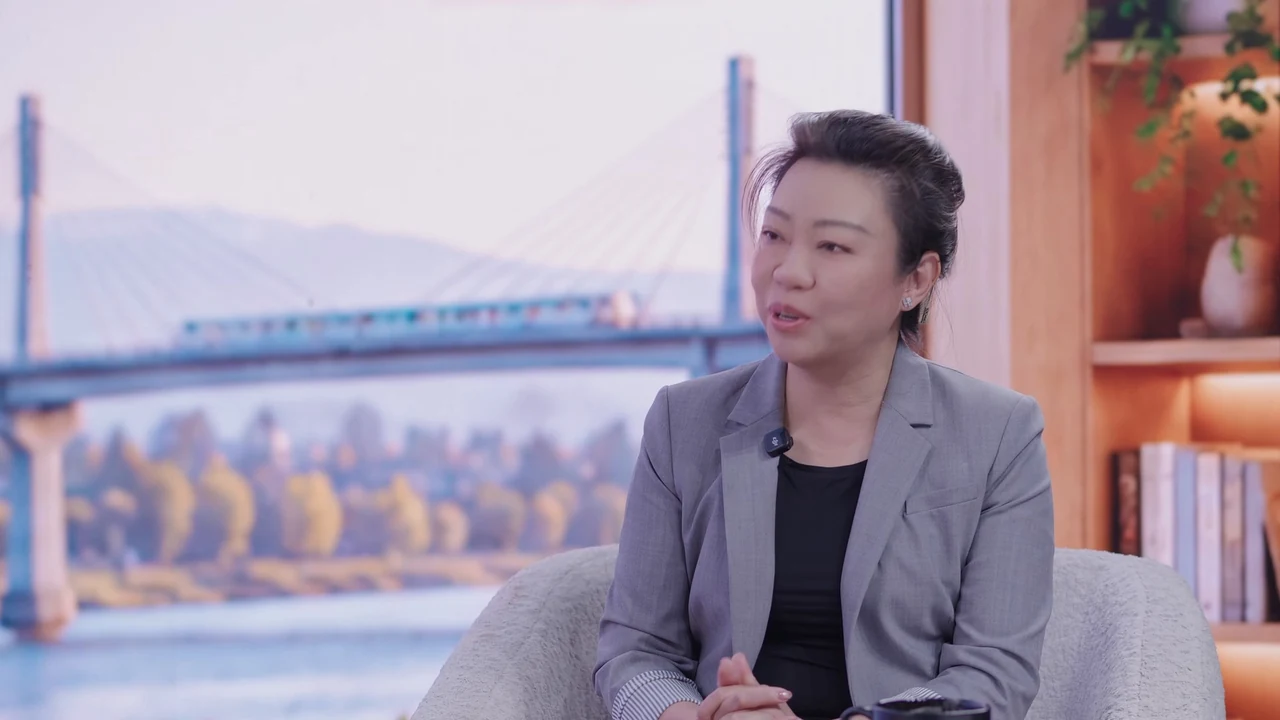
李珍 Linda Li 人物专访|2026 BC 省选

BC NDP · 2026 列治文桥港省议员候选人

李珍(Linda Li)是 BC NDP 在 2026 年 BC 省选列治文桥港选区的候选人,省选一般投票日为 10 月 24 日。聚焦传媒 CEO 余佩珊 Sarah Yu 主持这档两集专访:上集听她讲述家庭变故、社区服务和女性参政经历;下集谈再次参选、关税、中小企业、生活开支、住房与医疗。家庭经历、任职回顾及政策看法均保留为受访者的节目陈述。

主持:余佩珊 Sarah Yu,聚焦传媒 CEO | 制作:聚焦传媒 Focus Media

2 集节目

李珍 Linda Li,BC NDP · 2026 列治文桥港省议员候选人
李珍 Linda Li

原片 · 章节 · 文字稿

观看完整对话

按集观看,也可以通过原片章节链接了解具体话题。

上集

用生命影响生命

封面题名与章节名称保留原节目表述。 普通话原声。

李珍在节目中回顾 2019 年先生离世后的人生变化、照顾家庭和参与社区服务的经历,也谈到学习广东话、列治文华人社区协会及女性参政。个人事迹与任职经历为她在访谈中的陈述。

按章节观看12 个话题
  1. 0:00精彩预告
  2. 0:17相识:只差几百票的学务委员选举
  3. 1:20先生离世之后,选择翻篇
  4. 3:19那种痛,只有自己知道
  5. 3:54二十多年的社区服务
  6. 5:10为融入社区学广东话
  7. 5:55列治文华人社区协会
  8. 7:09敲遍列治文
  9. 9:12给想参政的女性
  10. 11:51女性参政:坚强与阳光
  11. 13:10用生命影响生命
  12. 13:53学会翻篇
阅读中文文字稿展开全文

以下为交付字幕整理的节目文字稿,保留对话语境;并非编辑部事实核查结论。

李珍 Linda Li 人物专访|上集:用生命影响生命|2026 BC 省选

https://youtu.be/7WQTkK2Mv0s

(文字稿据节目字幕整理,未区分说话人;主持:余佩珊 Sarah Yu)

[0:00] 精彩预告

但是我要讲的是说

那个针没有扎到你肉上

你真的不知道那个痛有多痛

当面关你的门

把东西给你扔出来叫你滚

这些都有的 我一直有个信念

就是用生命影响生命

这个是我们活着的意义

[0:17] 相识:只差几百票的学务委员选举

琳达 其实咱俩认识的时候是

你那年在四年前竞选学务委员的时候

列治文学务委员的时候

那时候我记得 你其实一万多票

对的

其实很不错的成绩

就其实差这个成功被选 就差了几百票

对的

所以说 其实那个时候

我记得选完以后

咱们还有一个晚宴见面

你那时候跟我说一句

你说Sarah 我要去上学了

然后去MBA 还是就是说

学那个进修管理类的课程

我觉得当时就对你肃然起敬

我觉得你是一个一直在奋进的路上

谢谢你 其实这个事情说来

就有一点点话长

我为什么会去选举也好

或者是为什么会要继续的进修

我觉得肯定是有一些机缘

我移民到这里30年 就是说

前面的十几二十年

花了很长的时间是做社区的服务

也是养育小孩子也做生意

有 几个小孩

我们三个儿子

对的 然后有一个机缘

[1:20] 先生离世之后,选择翻篇

是因为我先生去世

他应该是2019年去世的

他是癌症 就是说很不幸

然后他去世了以后我是

就是经过一段时期的沉淀

我觉得我们应该翻篇

不能一直留在过去

要把生命要继续

2019年到现在也七年了

而且你2022年就出来做市选

所以说你这三年 你用三年去消化

听说你跟你先生的感情非常好

那亲人的离世

但是你没有在悲痛当中

你反而是坚定的又走出来

而且用自己的爱心去奉献社会

你这是什么样的一种力量

我觉得是有一种启示

因为我先生他走年纪不是很大

当你会回想这个的时候 你会想

其实我先生非常好的人

他也做很多义工 他曾经说过

他说我们很有福气

因为我们可以去做义工

我们可以奉献 要把它当成一个福气

对 这个是一个

他对我的人生的一个启迪

对不对 应该是这么看社会

另外一个就是说

他这么好的人 他走的时候

我们非常非常多的朋友都很难过

但是你静下来你会想

其实当你走了 日子越长的时候

你对别人的影响也没有那么大

但是你自己的人

在我们有限的生命里

其实不在乎长短

其实是深度跟宽度

但是 对于女性的女性

你失去了一个伴侣

然后呢 跟你一起去做义工的伴侣

那你是不是会很孤单呢 那个时候

是很 那时候很down吧

我觉得会有 就是说

当你人生的伴侣离开的时候

对于我们来讲

我们为什么要两个人走在一起

是要有一个共同的家

你会想要一个共同的未来

但没有的时候

你会觉得一切坍塌了

就是说我二十几年

我所建立的东西好像突然没有了

好像没有意义

其实很多时候人家都会理解

或者你也会理解说这个很痛

但是我要讲的是说

[3:19] 那种痛,只有自己知道

那个针没有扎到你肉上

你真的不知道那个痛有多痛 是的

我只能现在可能理解到

百分之一 千分之一的感受

但是我能够去 我能知道

就是说一个女性独自一人

你还要带三个孩子

然后呢 先生又是

那么一个有爱的人

但是他就这样的早早地离开了你

那你的这个整个的在那三年

你却能够重新活过来

然后又有这个背起背包又开始

其实就是我先生在的时候

我也一直是做社区服务了

我做了二十几年

[3:54] 二十多年的社区服务

就是说从我的第一个义工

就是我小朋友上小学

然后去学校的图书馆做义工

因为我们以前没有做义工的概念

我就是觉得我们来到这里

要学习加拿大的文化

后来我在那里做了义工之后

我就进了我们

City of Richmond的那个

早期儿童教育的咨询委员会

然后在那之后我就去了

列治文华人社区协会做会长

然后当然我认识你的地方

有华商会 有狮子会

然后我就后来在那个

列治文医院担任筹款大使(曾任)

一直到我现在做这些都是

就是说我的一个长期的发展

是一直在这个基础

我先生走了之后 我只是觉得

我觉得我们要继续的向前走

生活是要继续

所以我才会想着我要继续出来

就是把自己的学业更加好

因为一直是我的梦想 我想去读个master

你先生生前的一些激励 一直在影响你

他的话语 他的音容笑貌

他的所有的他的梦想 他的理想

他对社区的这种一直的坚持

然后一直影响着你

延续了他的爱传递 那其实

我对你的印象 一直就是香港的那个圈层

就是你的社区也好 狮子会也好

都是香港这边的社区

[5:10] 为融入社区学广东话

是的 你是香港人吗

我不是 我先生是香港人

我是非常努力地学习的广东话

因为我生孩子的时候 那个时候

因为我们来得比较早 90年代的时候

那个时候在我们社区里面的

家庭医生都没有讲国语的

所以就是这样

你要逼着自己就这么开始讲

我觉得这个是一个很好的事情

也是跟其他的朋友

我总是会鼓励他们说

没有关系 你信自己就好

就是就像我们在这里

我们作为第一代的移民

可能我们的英文未必会像

他们本土人讲得这么好

但是没有关系

语言只是一个沟通的工具

但是要勇于地去表达自己

对 就是融入社区 这个是最重要的

那你在这二十多年

[5:55] 列治文华人社区协会

当然你不是华人社区协会的创始会长

但是你在这个协会

听说之前影响力非常大

都不需要邀请

三级政府主动打电话给你们

是的

那 当时最热闹的时候 最影响力 最大

也是一千多人

每个月有一次活动

我们每个月有一次活动

而且全部都是大型的活动

我们大概 我们所有的director

所有的理事 我们全部都是义工

然后比如像我相信很多朋友去过

就是都在 我们每年

会在Lansdowne办春节 办中秋

亚裔文化月或者是健康的嘉年华

而且我们还有儿童的绘画比赛

我们都会放在Lansdowne

比较就是对社区影响大的一个地方

那是每个活动都是一天的

所以再加上我们每年会参加

那个三文鱼节的巡游

还有一些活动 其实我们基本上

每一个月都有一个活动的

所以我们是非常的忙 同时也是

我们跟社区会接触的非常非常的多

其实如果说我参政的话

我觉得我从中学到了很多 就是这几年

其实整个Richmond 不夸张地讲

[7:09] 敲遍列治文

我大概百分之七八十的地方敲过了

整个这么大的Richmond

因为我学学务委员是整个

每次敲门都你自己一个人吗

我会有团队 但是我一定在

所以我朋友都说

你保持身材是因为你去敲门了

另外一点 而且就是说

当我们选省选的时候

你就是一个区四分之一

基本上上一次我是

每一个门都敲过的 我每个门敲过

当然你会有支持者

也一定有反对者

因为我们民主的社会会有不同的声音

我觉得坦然地接受就好

然后希望更加的人 多的人明白

我只是为了服务社会的初心

这个是需要一定坚持的

那你在敲门的时候有没有人

对你有不好的态度

或者是拒绝跟你接触

一定有 或者是当面关你的门

把东西给你扔出来叫你滚

这些都有的 对 我觉得

我们做任何事情一定都会遇到挫折的

你不要把它放在心上

变成一种挫折 变成一种阻力

那你会怎么去跟自己去

把这个事情不有情绪

或者是当下就可以很快地转变过来

对 因为很多时候

当人家对你有情绪的时候

只是他对你的情绪

他对 他其实它是对现状的情绪

对的 并不是跟你有关

我也觉得就算是他不喜欢我

因为没有人是100%给人喜欢的

不是所有人喜欢 其实都没有关系

我们就是允许一切发生

然后我们做我们的最好

我们呈现我们的最好

我们就希望赢得更加多的人的心

因为要不纠结不内耗

这个才我们生活 继续生活也好

政治也好 就是不内耗

就是勇往直前就对了

对 因为我也接触很多的

年轻的妈妈们 很多她们看到

华人这边很多的女性参政议政

她们也有想要有这个想法

你给她们一些什么样的建议吗

我非常的欢迎大家

就是跟我们一起就是说

我们移民到了这里

最重要的是什么 这里就是我们的家

我们要把它当作是我们的家

在这个家里

[9:12] 给想参政的女性

你就要做这个家的主人 你想当家做主

你就要出来说话 要出来说事

对的 你出来说话凭什么呢

那就凭你参与社会 除了做义工

你也可以从政 除了做生意

就是贡献社会

你也还可以从政的话

因为我们很容易会讲到说

这个政策不好 那个政策不好

只有你有你的声音 你从政了

你变成制定规则的一个人

成为中间的一分子

你才能够更好的来改变这个社会

让我们这个社会变得更加好

所以我会鼓励所有的朋友

如果你愿意 也是我们现在鼓励的

希望多一点的华人来参政议政

其实哪一个党都没有关系

哪一个党都一定有很好的

来帮助我们社会的一面

我们每一次 我们选民选的不同的党

只是站在他们角度

他觉得这个时候这个党的

这个东西比较适合我

但是就是说

最终落地还是个人

对吧 每一个个体的这个人

是的

我就希望选民可以好好的考虑

好好的选择 来选择一个愿意听你的声音

愿意为你发声的人

所以我们每个选民

其实你才是我们的重点

我每一个人都是活生生的人

我们不是数据

我们来改变社区是靠

我们每一个人的声音的

一个民意代表

就是把你们的声音带出去

那就是说在前这20年

你应该积累了很多市民的声音吧

能不能举几个他们的例子呢

其实如果我 有方方面面

因为我在社区里面很多

从我小孩子开始

我就跟教育非常的有关

开始做学校的义工

做那个city的advisory committee

然后一直做到现在的

那个西门菲莎大学的校董

我觉得我一直跟教育非常有关

所以就我也参加家长会啊很多

所以会有很多这样的朋友

比如说我们从每天接送孩子

从交通 从学校里那个课程设置

哪些好不好 我们都会有

很多很多的交流 所以当我听到

很多方方面面的意见的时候

我希望我有了这个基础

我可以把大家的声音都真正地

带给我们的政策的制定者跟执行者

这个就是真的 你要出来参选

来听取民意 来代表大家

回答得特别好 谢谢你

那其实咱们就是说今天的

我们咱俩之间的交流

我们其实更多的想

从一个女性的角度去聊一聊

女性参政议政的事情

那对于你来讲 其实应该从2022年

2020年 2022年开始

就走上参政议政的这样的

[11:51] 女性参政:坚强与阳光

那你有没有很down的时候

有没有很难过的时候

或者就是说比较觉得

自己走错了这条路

或者是周围的人给你很多的打击

你有没有这种情况

我觉得这个

我倒没有说特别down的时候

因为当然你出来打

你肯定是想赢 你肯定是想

把你所代表的东西要讲出来

应该怎么讲 就是说当我的先生

我先夫过世七年了

就是说当他走的时候

那是我的人生的第一个打击

对不对 然后到了后面

你就会觉得你身边

还有很多人你要照顾

你会变得坚强 就是说

我不想让别人看到失望

让别人看到我 当我出来

我还是很阳光的领导

我从来都是这样阳光的

所以当你从政的时候 你有很多

我们就是你初初从政

你有很多时候有人也不理解

也有人会不同意你的意见

我觉得第一 你包容

第二就是说

不是反过去打击别人

就是可以站在

更高一点的位置来看这个事情

就是说我做的什么事情

可以影响到这个社会

因为如果我只是自己做义工

那也就是可能是小范围

如果我从政 希望可以多一点的

其实就是说我一直有个信念

[13:10] 用生命影响生命

就是用生命影响生命

这个是我们活着的意义

这个也就是原因

我这么多年参与社区活动

包括现在从政

我相信这是一个初心在后面吧

因为因着你这份初心

所以你能够今年

又再一次站出来 不管是赢不赢

一定是做最好的自己 是

我不会做任何的预测

但是我会做最好的自己

我会做最最努力的自己

希望就是说

我们每个人背后

也肩负着很多人的期望

我不会让对我有期望的人失望的

所以说你的事迹呢

其实是我们很多女性学习的榜样

谢谢你 我会很鼓励大家 就是说

[13:53] 学会翻篇

非常坚强 生活要学会翻篇

就是不要把自己沉浸在那个里面

就是出不来 其实是没有必要的

生命非常的短暂

我们只把它过得深一点

广一点 让它更加有意义

我记得尼采说过 每一个不曾起舞的日子

都是对生命的浪费

所以我希望每一天都活得很好

那其实我们在追逐中成长 是吧 是的

我们一起成长

对 很高兴 谢谢你

也非常谢谢今天给我们的分享

阅读英文文字稿展开全文

以下为交付字幕整理的节目文字稿,保留对话语境;并非编辑部事实核查结论。

Linda Li (李珍) | Ep. 1: A Life That Touches Lives | 2026 BC Election Interview

https://youtu.be/7WQTkK2Mv0s

(Transcript from the episode's English subtitles; speakers not labelled. Host: Sarah Yu.)

[0:00] Highlights

But what I'm saying is, if the needle hasn't pierced your own skin, you really don't know how much it hurts. Doors slammed in my face, things thrown out at me, told to get lost. I've always held one belief: touch lives with your life. That's the meaning of being alive.

[0:17] How they met: the 2022 school board race

Linda, when we first met, you were running for school trustee four years ago, for the Richmond School Board. I remember you got over ten thousand votes. That's right. A really good result. You were only a few hundred votes short of being elected. That's right. So back then, I remember after the election we met at a dinner, and you said to me, "Sarah, I'm going back to school." To do an MBA, or further studies in management. I remember at the time I was filled with respect. I felt you were someone always striving forward. Thank you. Actually, it's a bit of a long story. Why I ran for office, or why I wanted to keep studying, I think there were certain turns of fate. I immigrated here 30 years ago, and the first 10 to 20 years, I spent a long time doing community service, raising kids and running a business. How many kids do you have? We have three sons. Yes. And one turning point was my

[1:20] After losing her husband

husband's death. He passed away in 2019. It was cancer. Very unfortunate. After he passed, I went through a period of reflection, and I felt we had to turn the page, not stay in the past. Life has to go on. From 2019 to now, it's been seven years. And in 2022 you came out to run in the municipal election, so you took three years to heal. I hear you and your husband were very close. Losing a loved one, yet you didn't stay in grief. Instead you walked out of it resolutely and gave back to society with love. What kind of strength is that? I think it was a kind of revelation. My husband wasn't very old when he passed. When you look back on it, you realize he was a wonderful man who volunteered a lot. He once said, "We're very blessed, because we're able to volunteer, able to give back. We should see it as a blessing." Yes, that was an inspiration he gave to my life: that's how we should see society. The other thing is, such a good man, when he passed, so very many of our friends were heartbroken. But when you're still, you realize that once you're gone, the longer it's been, the less your influence on others. But for yourself, in our limited lives, it's not the length that matters, it's the depth and breadth. But for a woman, you lost a partner, a partner who volunteered with you. Did you feel very lonely then? It was very... back then it felt very empty, I'd say. I think there is that. When your life partner leaves, for us, why do two people come together? To have a shared home, a shared future. When that's gone, you feel everything has collapsed. Everything I'd built over twenty-some years suddenly seemed gone, as if it had no meaning. Very often people will understand, or you'll understand, that it hurts a lot. But what I'm saying is,

[3:19] A pain only you can feel

if the needle hasn't pierced your skin, you really don't know how much it hurts. Yes. I can probably only grasp a hundredth, a thousandth of what you felt. But I can understand: a woman on her own, still raising three kids, and a husband who was so loving, who left so early like that. And yet within those three years you were able to come back to life, and put your backpack on and start again. Actually, even when my husband was alive, I was always doing community service. I've done it for twenty-some years. My

[3:54] 20+ years of community service

very first volunteering was when my kid started elementary school, in the school library. Back then we had no concept of volunteering. I just felt that having come here, we needed to learn Canadian culture. Later, after volunteering there, I joined the City of Richmond's early childhood advisory committee. After that I went on to become president of the Richmond Chinese Community Society. And of course, where I met you: the Chinese business association, the Lions Club. Later on I became a former ambassador for the Richmond Hospital Foundation, up to now. All of this has been my long-term path, building on this foundation. After my husband passed, I just felt we had to keep moving forward. Life goes on. That's why I thought I'd step out again and further my education, because it had always been my dream to do a master's. Your late husband's encouragement has always influenced you: his words, his voice and smile, all his dreams, his ideals, his constant dedication to the community kept influencing you, and you've carried on passing on his love. Actually, my impression of you was always the Hong Kong circle. Your community work, the Lions Club, all Hong Kong-based

[5:10] Learning Cantonese to fit in

groups. Yes. Are you from Hong Kong? No, my husband is from Hong Kong. I worked very hard to learn Cantonese, because when I had my kids, back then, since we came quite early, in the '90s, family doctors in our community never spoke Mandarin at all. So you had to push yourself and just start speaking. I think that was a very good thing. And with other friends, I always encourage them: it's okay, just believe in yourself. Just like us here, as first-generation immigrants, our English may not be as good as people born here, but that's okay. Language is just a tool for communication. Be brave in expressing yourself. Yes, fitting into the community is what matters most. Over these twenty-some years,

[5:55] Richmond Chinese Community Society

of course, you weren't the founding president, but I hear that before, this society was so influential that, without even being invited, all three levels of government would call you. Yes. At its busiest and most influential, over a thousand people. Once a month? We had an event every month, and all of them were large events. All of our directors, all board members, were volunteers. For example, I'm sure many people have been. Every year we'd hold events at Lansdowne: Lunar New Year, Mid-Autumn, Asian Heritage Month, or a health fair. We also had a children's art contest. We'd hold them all at Lansdowne, a place with big community reach. And each event was a full day. On top of that, every year we'd join the Salmon Festival parade, and other events. Basically, we had an event every month. So we were very busy, and at the same time we had a great deal of contact with the community. Actually, in terms of entering politics, I've learned a lot from it. These past years, across Richmond, without exaggeration,

[7:09] Knocking on doors across Richmond

I've knocked on doors in 70 to 80% of it. All of Richmond, as big as it is, because school trustee covers the whole city. Do you knock on doors by yourself? I have a team, but I'm always there. My friends say I stay in shape because I knock on doors. Another thing is, when we run provincially, you cover one riding, about a quarter of the city. Last time I knocked on every single door. I knocked on every door. Of course there are supporters, and there are always opponents, because in a democracy there are different voices. I think you just accept that calmly, and hope more and more people understand my only aim is to serve the community. That takes perseverance. So when you're knocking on doors, has anyone been rude to you, or refused to talk to you? Definitely. Or doors slammed in my face, things thrown out at me, told to get lost. Yes. I think whatever we do, we'll always run into setbacks. Don't take it to heart and let it become a setback, a resistance. So how do you handle it yourself, not get emotional, and in the moment turn it around quickly? Yes, because often when people are emotional with you, it's not really about you. It's really their feelings about the status quo. Right, it's not about you. And I feel even if they don't like me, no one is liked 100%. Not everyone has to like you, and that's fine. We just let everything happen and do our best. We show our best, and hope to win more people's hearts. Because you shouldn't dwell or wear yourself out. That's how we keep living. In life or in politics, don't wear yourself out, just keep charging ahead. Yes, because I meet a lot of young mothers too. Many of them see so many Chinese women entering politics, and they also have this idea. What advice would you give them? I warmly welcome everyone to join us. Having immigrated here, what matters most? This is our home. We have to treat it as our home. In this home, you have to be

[9:12] Advice for women entering politics

the master of the house. To have a say, you have to speak up, step up and raise issues. Right. What gives you standing to speak? Your participation in society. Besides volunteering, you can enter politics. Besides doing business to contribute, you can also go into politics. Because it's easy for us to say this policy is bad, that policy is bad. Only when you have a voice, when you're in politics, when you become someone who makes the rules, part of the process, can you better change society and make our society even better. So I encourage all my friends, if you're willing, and it's what we encourage now, we hope more Chinese Canadians get into politics. Actually, the party doesn't matter. Every party surely has a good side that helps our society. Each time, when voters choose a different party, it's just from their point of view. They feel at this time, this party's platform suits me better. But in the end, it comes down to the individual. Right? Each individual person. Yes. I just hope voters will think carefully and choose well. Choose someone willing to listen to your voice, willing to speak up for you. So each of you voters is our focus. Every one of us is a living, breathing person. We're not data. We change the community through every person's voice. A representative of the people brings your voices forward. So over these past 20 years, you must have gathered many residents' voices. Can you give a few examples? Actually, there are all kinds, because I'm very involved in the community. Ever since my kids were young, I've been closely connected with education: volunteering at schools, then the City's advisory committee, all the way to now, on the SFU Board of Governors. I've always been closely tied to education. So I also joined parent advisory councils, and so I have many such friends. For example, from daily school drop-offs, traffic, to the school's curriculum, what's good and what's not, we have lots and lots of conversations. So hearing so many different opinions, I hope that with this foundation I can truly bring everyone's voices to our policymakers and implementers. That's really why you need to step up and run: to listen to people and represent them. Great answer, thank you. So today, in our conversation, we'd really like to talk from a woman's perspective about women in politics. For you, from 2022, 2020, 2022 onward, you've been on the path of politics.

[11:51] Women in politics

Have you had really down moments, really sad moments, or felt that you'd taken the wrong path, or people around you really discouraged you? Has that happened to you? I'd say I haven't really had a particularly down moment. Because of course when you run, you want to win. You want to get across what you stand for. How should I put it... when my husband, my late husband, passed away seven years ago, when he left, that was the first blow in my life. Right? Then later you realize there are still many people around you to care for, and you become strong. I mean, I don't want others to see me disappointed. When I step out, I'm still an upbeat leader. I've always been this upbeat. So when you're in politics, you have many... when you go into politics, often some people won't understand you, and some will disagree with you. I think, first, be tolerant. Second, don't hit back at others. Look at it from a higher vantage point: what can I do that can have an impact on society? Because if I just volunteer on my own, it may be on a small scale. If I go into politics, I hope I can do more. Actually, I've always held one belief:

[13:10] Touching lives with your life

touch lives with your life. That is the meaning of being alive. That's also why I've been involved in community work all these years, including politics now. I believe that's the original purpose behind it. And because of that purpose, this year you're able to step up once again. Win or not, you'll be the best version of yourself. Yes. I won't make any predictions, but I'll be the best version of myself. I'll give it my very hardest. I hope that... each of us carries the hopes of many people. I won't let down those who believe in me. So your story is really a role model for many of us women. Thank you. I'd really encourage everyone:

[13:53] Learning to turn the page

be strong. In life, learn to turn the page. Don't let yourself sink into it and not get out. There's really no need. Life is very short. Let's live it deeper and wider, make it more meaningful. I remember Nietzsche said, "Every day we have not danced is a day wasted." So I hope to live every day well. We grow as we chase our dreams, right? Yes. Let's grow together. Yes, so glad. Thank you. Thank you so much for sharing with us today.
下集

把大家的声音带到维多利亚

封面题名与章节名称保留原节目表述。 普通话原声。

李珍谈到她再次参选的原因,并讨论关税、中小企业、日常开支、住房、家庭医生和相关公共政策。她也回顾自己与 SFU 和列治文医院基金会有关的服务经历。节目中的政策评价和个人经历均为受访者自述,本页不将其写成竞选推荐。

按章节观看15 个话题
  1. 0:00精彩预告
  2. 0:212024 年的省选,与这一次
  3. 2:18关税对列治文的冲击
  4. 2:58为什么提前大选
  5. 4:02中小企业主的难处
  6. 6:01切身的民生政策
  7. 7:23住房与租房
  8. 8:00SFU 新医学院
  9. 10:48看病难与家庭医生
  10. 12:32列治文医院新大楼
  11. 14:20毒品注射屋
  12. 15:33邻居女孩的离去
  13. 16:48这一次的心态
  14. 17:42把选民放在第一位
  15. 18:54有时间、有精力
阅读中文文字稿展开全文

以下为交付字幕整理的节目文字稿,保留对话语境;并非编辑部事实核查结论。

李珍 Linda Li 人物专访|下集:把大家的声音带到维多利亚|2026 BC 省选

https://youtu.be/DIDcBChYZwE

(文字稿据节目字幕整理,未区分说话人;主持:余佩珊 Sarah Yu)

[0:00] 精彩预告

有一天她妈妈过来跟我们说

她说我女儿昨天晚上走了

我们已经吸收了

从美国吸收了800个医务人员

就是医生跟护士 我们大概是

3000还是4000多个申请者

我们这一批是48个学生 我觉得

我们应该选这样的人 那就是我了

[0:21] 2024 年的省选,与这一次

所以说 这也是我现在

也在思考为什么你2022年参选

这个省议员的时候

对吧 省议员的时候

2022年是学务委员 2024年是

省议员 对

2024年参选

两年前参选省议员的时候

其实你的票数也是很棒的

虽然说是跟屈洁冰差的有一定的票数

但是你的票数很棒

其实是你为华人社区 特别列治文社区

做了这么多年的贡献

大家对你的一个认可的回馈

谢谢你 我相信就是说

做任何的事情

你要就不做 要就用心去做

对 就是不管我做社区服务也好

竞选也好 或者是做我的生意也好

我觉得哪怕教育孩子方面

你都希望会有最好的结果

但是可能有的时候事与愿违

但我觉得我们应该

那个保持接受的态度

但是同时最最重要的是要在自己的心里

你要知道我要尽全力

那其实这个离2024年就两年时间

那这次呢 咱们省长

又说要重新再大选

那你同样在这个两年之后

又站出来了 同样跟那个屈洁冰

又是对手 对吧

那你能分享一下吗

你为什么这次希望自己

站出来代表NDP站出来

我觉得最首先最要讲的就是说

应该是讲服务社区的初心不变

我觉得这个是第一要点

然后第二个是因为

我一直代表NDP出选

我也很赞成NDP它的执政的理念

我们帮助所有的工薪阶层

帮助我们所有的普罗大众

希望加强我们的公共的健康

然后发展我们的经济

因为我很坚持这个理念

所以我会跟着他们选

因为这一次为什么会大选

首先像我们省长提出的

[2:18] 关税对列治文的冲击

Donald Trump他的关税的

对加拿大的这个

在加拿大的影响非常大

我们分享一个

关于我们Richmond的一个故事

是在我们Richmond

有一个木材的合成板的厂

他们的生意是有10%到15%是在美国的

然后他们就是因为关税加到50%

所以他们被迫每个月要关一天的话

那工人的工资一个月就少了四天

所以花在孩子身上的也少了

就在外面的花费也少了

其实这个影响是全方位的

我讲的只是它

是恶性循环

只是一个小小的一点

但是我们各行各业

都会受到这个影响

但是这个跟我们

[2:58] 为什么提前大选

再次重新大选有什么相关的事情

当然有关

因为当我们的这些政策去做的时候

我们不是今天做明天就有

对不对 这个是需要有个连续性

是不停的投入 不停的产出

我们才会有效果

才可以更好的有效益

让我们的人民来受惠的

所以在这里我们要call这个大选

我知道是有一定的花费

但是相当于我们政府

已经在外面这么大的投入的来说

我们是希望可以有

一个稳定的强有力的政府

来可以更加好的将我们的投资

将我们所有的多边贸易的

这些关系可以持续的继续的下去

其实是不是就是这个意思

就是说咱们省选 省府

其实希望拿到更多的

多数选票 是这个意思 希望自己有了

新政策能够更好的执行下去 是吗

是的 就是政府的延续性

就是我们所做的东西

希望它可以很稳定的走下去

因为当一个政府它被很混乱的时候

所有的推行都是

就是很难达到效果的

[4:02] 中小企业主的难处

但是每年交完税 有到自己口袋里的

可能几乎微乎其微

就现在的这个市场的这个情况下

你觉得像温哥华BC省这样的一个市场

怎么NDP能够有一些举措

在未来的四年当中能够做到一些事情

其实我非常同意你的讲法

因为我自己也是一个小企业主

我也很明白

首先我们温哥华来讲

或者我们BC省来讲

我们整个加拿大的市场

都不是我们想象的那么大

所以当你市场不够大

现在所有的成本

人工的成本跟整个世界

我们这么的混乱

就是说川普的关税也好 就对

我们每一个人都有非常非常深刻的影响

这也就是说我们为什么

我们的省政府说要走出去

希望创造更加多的贸易的机会

也让在我们本地创造更加多的机会

就不单只是我们的小企业主

也是给我们的创造更多的就业的机会

给我们普通的工薪阶层

这个我们政府

因为大家都会攻击说

你们有138亿的赤字又什么 对不对

其实我想说的一点就是说

那个赤字 你要看看

我们是把钱花在哪里了

我们的钱花在我们做的大型的基建

花在我们要做的能源项目

它们回来都是几百亿的收益

它们创造的都是几千的职位

所以这个是反过来是可以帮助

我们本省的经济的同时

我们创造了就业的机会

那么对我们经济其他的方方面面

就都会是有很大的助力

这个是我们现在非常的

紧迫的要做的事情

那我是想问一下 就是说NDP呢

当然是在这些年执政当中

也有不同的声音

那你站在NDP这边

你能不能来给我们

介绍一下NDP的一些政策

因为可能不一定老百姓真的

市民真正懂 真正了解

[6:01] 切身的民生政策

比如我们把汽车的保费

降低500块

然后我们这7年都已经冻结了这个保费

所以我们的保费是最低的

然后就是说比如说我们以前要交MSP

现在没有了

早就没有了 就是NDP上场

就没有了 所以其实这些

你不要觉得我们没有做什么

其实真的是大家已经做了

我可以再提醒一下

确确实实是我们政府做的

因为我的朋友是开daycare的

他告诉我他们每一年

就是每一个小朋友

政府是给每一个小朋友

有多少几百块的补助的

就是说每个月的几百块的

补助的牛奶金 不是牛奶金

就是daycare的

然后每个老师也是有补助的

所以其实这些钱政府都花了

很多很多在这些方面

只是我相信是宣传不够

我也希望我有机会可以把这些东西

带给大家 让更加多的人知道

我们的政府为你做了什么

因为现在大家都觉得

对住房的可负担性上

也是大家比较焦虑

或者是承担 因为比如说税收

然后再一个就是说

租房 房屋租赁这一块

然后你能够跟我们分享一下NDP

在这个方面上做了哪些事情

其实我自己是有地产公司的

我们旗下我也管理了

有几百套这样的unit

[7:23] 住房与租房

我们经常接触一些租客

我也知道其实生活很不容易

然后好的一点是

我们现在政府已经建了

越来越多的affordable housing

就是给low income的也好 给老人也好

已经建好的跟做的全部都在

我们是有一个长的大概十年的计划

一直要建多少套

但是如果保守党政府他们上台的话

他们说了他们就先要取消这些

先要砍掉这些

所以就是说我们为什么要选 要下来

我们就是要让我们的政策来延续

可以帮助到更加多的人

[8:00] SFU 新医学院

就是说您作为SFU的校董

我是觉得我非常非常的荣幸

可以做到SFU的校董

就是说因为我在里面

也是唯一的华人

我相信我们大概20个左右的董事

SFU就是在我们温哥华

就是有这么大的影响

在我们BC省这么大的影响

UBC是比较研究型的大学

然后SFU也属于那种比较实用型大学

我们的co-op的program

是非常非常的受欢迎

因为我们学生的就业率就会很高

然后SFU很骄傲的地方是

我们有新的医学院

这也是我们BC省政府投资的

我也很感兴趣

你能跟我透露一下这个

SFU的新的医学院

它跟传统医学有什么不同

它能快速地结业

或者快速地让学生获得技能和知识吗

是的 它是这个方式是完全不同的

它跟UBC有一点不同

它是我们这个60年以来

在我们这个西部

我们建立的一个新的医学院

这五六十年还没有的

就是新的建立的 我们用的方式是不同

我们的方式是跟所有的家庭医生有联系

然后是所有的学生是回到

他的社区去 在家庭医生

就当他学习的过程中

已经在家庭医生的诊所里面

实习了 我们是想培养

这么快 对

培养更加多的家庭医生

一边学习也一边受训

就是这样 它用的这个方式

不是说医生要读几年

然后再几年 然后再去医院

所以这个是可以更加快速地来解决

我们目前所需要的家庭医生 对

但是 这些孩子们 他们

是不是要经过筛选很严格的筛选

因为我听说在UBC那边

你要想当一个医生

你要层层的筛选

二多个专家要考核

你问何问题 最后凤毛麟角

所以像SFU会放宽吗

还是说也是会非常的紧俏

不会

因为医生这是一个非常严谨的职业

要很有爱心

而且就是你的学术一定

因为关系到人命

我们大概是3000还是4000多个申请者

我们这一批是48个学生

也是真的是那

当然很难申请的

而且我们政府也投资了

相当的钱 相当大的钱

我们在那边现在

正继续地建新的教学大楼

就是用旧的地方

然后因为我们有一个不同的approach

就是真的跟签了

很多的家庭医生的诊所

这些家庭医生也就是相当于来帮

我们训练我们未来的家庭医生

就是让他们从现在开始

就接触病人 就来认识病人

来接触方方面面

也知道这个工作每一天他们会面临什么

就是能够更好的学习 更好的融入

因为还有一些学生是来自于

或者偏远一点的地区

他们也是学好了是要回去去服务的

[10:48] 看病难与家庭医生

因为就是说到就医啊

其实也一直是很多BC省

咱们的这些居民们 百分之八九十吧

七八十的人认为加拿大就医难

因为毕竟就是全民免费嘛 对

所以说呢 而且呢

咱们你刚刚跟我讲

你说SFU三千四千人

才能培养出四十几位 对

那这个就是说根本不够

我们去服务这么多普通市民的呀 对吧

所以说 这是一个问题

而且我也最近也是听很多人说

说温哥华留不住医生

加拿大留不住医生 很多培养好的医生呢

有的高薪就被美国聘走了

真正留在这边的可能都没有

那么大的野心或者是说技术

可能就是那样 然后呢

所以说就是说你对这种现状

你是怎么看待

其实这个事情是这样子

我觉得那个BC NDP政府其实是

在一直非常努力地来解决这些问题

我们一直都有说

很多人连家庭医生都没有这样子

我们政府推出的

其实今年到现在我们已经吸收了

从美国吸收了800个医务人员

就是医生跟护士来到我们这一边

我们专门制定一个特别的政策

来吸引他们过来

相信会有更多的人过来

来服务我们的省民的

就是我们政府是花了这个钱

因为它比我们去培养一个医生

要快很多 就是可以解决

我们目前的 光是这头几个月

我们已经给二十几万的人

又找上了家庭医生

其实我们大概如果按人口比例来说

那个平均来说我们现在

就是说可以匹配的家庭医生

我们也是加拿大最高的了

对 但是我们当然还有几十万

我们还有路要 长的路要走

我们还要继续这个工作

另外一个方面

我自己本身作为列治文医院

[12:32] 列治文医院新大楼

基金会的一个(曾任)筹款大使

我在这一方面非常非常的有感触

就是大家都知道我们的医院

那个大楼现在在建 这个是

BC NDP政府上台之后才把它

这个项目真正的建立起来

大家现在开车经过都会见到

那片空地 已经把以前的

旧的停车场已经推掉了

另外这几年会建好

我们会有全新的病房

而且全部都是单人房

然后还有我们把我们的

紧急手术室从现在的6个8个到11个

然后所有的都是全新的仪器这样子

我们基金会做了很多的工作

其实包括我个人

我都会去捐了一个房间

我个人都有做捐献

捐一个房间得多少钱

我捐的那个比较 我捐的应该是5万吧

还有十万的更加大的

还有很多大的东的上千万的捐

其实大家都是捐献

都是很爱这个社区

觉得这是我们的家 这是我们的医院

因为我们这个医院

从六十年代开始建的时候

那个时候我们Richmond只有五万人

所以就是因为这种需求

现在我们二十五万人 需求很大

我们还要照顾机场 照顾轮渡码头

就是万一有什么人

我们都是列治文医院的事

所以当我们每做一件小的事情

看着不是小 每个小就是聚沙成塔

我也希望有更多的人来可以帮

我们的医院来更加做

而且我们的省政府是非常坚定的来

支持我们要把Richmond医院的

这件事情要做好

这个大楼应该是马上就会建好的了

应该是在29年吧

其实现在咱们去年

还有2024年 2025年

特别是2025年的时候

就是各个省各个市比如温哥华

列治文 本拿比都在推行

[14:20] 毒品注射屋

一个毒品注射屋安置的一个问题

那你怎么看待这个问题

首先我想明确地讲一点

就是说毒品我们都是反对的

没有人要纵容毒品的

我们深深地知道它的危害

它危害的不是仅仅的个别的生命

它危害的是我们的家庭

危害的是我们整个的社区

所以我们要做的是要禁止的毒品

但是就是说如果染上了毒品的人

我们应该怎么去对待他

我们不是把他们当作罪犯

我们是把他当作受害者

所以我们现在所做的

我们是要去治疗他们

而且是防止这件事情的发生

如果你刚刚提到的

这个注射屋的问题

当初就是当大家都出来反对的时候

那个Coastal Health

海岸卫生局也说

我们现在的数据来讲 在列治文 不做了

对 在列治文不做

因为我们列治文的根本

就没有那么严重 所以我们

也想到我们不需要做这个

所以大家可以放心 其实我为什么说

我们一直是特别反对的毒品

有很多事情就是发生在我们身边

当我们对这些事情很有感触的时候

我们才知道这个禁毒

跟反毒的这种迫切性

因为就是在我们的

邻居的一个小女生

[15:33] 邻居女孩的离去

她16岁 就是非常活泼

我们平常会经常见面打招呼

然后就是有一天她妈妈过来跟我们说

她说我女儿昨天晚上走了

我们大家都非常难过

而且非常震惊 就是一个年轻的人

但是就是毒品的滥用

就是过量了 但是在那个时候

其实没有得到及时的帮助

所以我会很呼吁的大家来看看

我们是要挽救生命

就是来救一下我们生命的这些人

我们好好的从心理上

也是从物理上来帮助他们

这个是我们社区很迫切要做的

其实我们不要去渲染或者是说

这些人来危害了我们的社区

当然他们的行为是有一定的

负面的影响的 这个也是真正的需要

不光是政府也需要我们的民众

需要我们的整个的社会来关注

然后所有的人来关注

我们来共同地做这个问题

所以也是反毒也是

我们一定要做的事情

其实咱们咱俩认识很多年

然后呢 我也是觉得

就是说您这次又有勇气站出来

然后呢 跟屈洁冰对台

两年前你们的票在这个选票上面

其实悬殊还是有的

[16:48] 这一次的心态

那你今年你是一个什么样的心态来参选

然后你希望给市民怎样的一个答卷

或者是怎样的一个汇报

让大家认为要选择你

或者是你的这个信心

你认为你能够打赢这场胜仗

OK

我觉得应该分两方面讲

第一方面就是像我刚刚讲的

我们为什么要选

对不对 就是为了我们

就是让我们的市民的生活可以更好

就是因为我们所面对的这种不确定性

就是经济的不确定性

我们想保证这个政府可以把东西

延续下来 一直做下去

这个是要选的一个理由

另外一个理由就是说

我本人是在这个社区里面30年

我对这个社区是非常的了解

我也很愿意去聆听大家的声音

可以把你们的声音更好地带到维多利亚

这个也是我参选的一个目的

另外一个就是说我们现在

本地的在这个选区的议员

[17:42] 把选民放在第一位

就是她在很短的时间就跳了三四个党

屈洁冰她当时她从保守党离开

她也有一定的原因

她的原因

当时她公布出来的是因为当时的

那个党魁对她的个人的背景

她有一些误解

或者是攻击 让她很伤心 对

我觉得作为一个政治人物来讲

我们要做的是什么

就是我们的操守是什么

我觉得第一点

你是应该把你的选民放在第一位

其他的事情你们是可以内部解决的

你跳来跳去 等于今天是在保守党

然后跳变成说我是独立身份

然后过几天之后

你又加入了另外一个党

然后再又跳回来保守党

在这个中间不同的政党

当然是有不同的观点的

你跳到别的政党的话

你是不是也代表你的选民

都是跟你一样的意见呢

我觉得这个是不对的

我觉得任何时候我们要做的事情

比如也就像我自己做地产

我们每一次做事

我们都是把我们顾客的利益是

放在第一位的 然后才是自己

你作为一个民选的民意代表

你应该是把你本区的

选民的利益放在第一位

[18:54] 有时间、有精力

那你的小孩子现在都大了吗

对的 我最小的26了

最小的就已经26了 对

那你看起来真的还好很年轻的

不是很年轻 不过心态很年轻

现在就是说

你基本上所有的心力 对吧

精力就是在最好的时候

也不需要再被家庭琐事所影响

然后全部都投入到这里面去

我觉得我出来选

还有另外一件事情就是

像你说的 我现在有时间有精力

因为任何时候当你要去复出

或者是要重振的时候

其实是要花费很多的精力的

我希望就是说更加一个

比我们现在在这个本区的那个议员

有更多的时间是在local的

因为我知道她不住在Richmond

对 我在这里30年

我每天都会接触这些

我是医院的(曾任)筹款大使

我知道我们的社区

我们的医疗需要什么

我接触这么多的老人

我们服务这么多的家庭

就是我们有非常切身的感受

知道我们真的住在列治文的人

我们每一天面对的是什么 而且就是说

更加有心 更加会有多的时间

来贡献给社区的人

我觉得我们应该选这样的人

那就是我了

非常有魅力的女性

阅读英文文字稿展开全文

以下为交付字幕整理的节目文字稿,保留对话语境;并非编辑部事实核查结论。

Linda Li (李珍) | Ep. 2: Bringing Your Voices to Victoria | 2026 BC Election Interview

https://youtu.be/DIDcBChYZwE

(Transcript from the episode's English subtitles; speakers not labelled. Host: Sarah Yu.)

[0:00] Highlights

One day her mother came over and told us, "My daughter passed away last night." We've already brought in — we've recruited 800 health-care workers from the US, doctors and nurses. We had around 3,000 or 4,000-plus applicants, and this cohort is 48 students. I think we should choose someone like that — and that would be me.

[0:21] The 2024 race, and this one

So that's something I've been thinking about. When you ran in 2022 for MLA — right, for MLA... 20— In 2022 it was school trustee; 2024 was MLA. Right. In 2024, when you ran for MLA two years ago, your vote count was actually very strong. Although you trailed Teresa Wat by a certain margin, your numbers were great. Really, it was recognition of all you've done for the Chinese community, especially in Richmond, over so many years — people showing their appreciation for you. Thank you. I believe that whatever you do, either don't do it, or do it wholeheartedly. Yes — whether it's community service, or running for office, or my business, or even raising children, you always hope for the best outcome. Sometimes things don't go your way, but I think we should keep an accepting attitude. But at the same time, the most important thing is to know in your heart that you'll give it your all. It's only been two years since 2024, and now our premier has called another election. And two years later, you've again stepped forward, once again facing Teresa Wat as your opponent, right? Can you share with us why this time you wanted to step forward and run for the NDP? I think the very first thing to say is that my commitment to serving the community hasn't changed. I think that's the first point. And second, because I've always run for the NDP, and I strongly support the NDP's governing philosophy: helping all working people, helping everyday people, strengthening our public health care, and growing our economy. Because I firmly believe in these ideas, I'm running with them. As for why there's an election now — first, as our premier pointed out, Donald

[2:18] How tariffs hit Richmond

Trump's tariffs on Canada — their impact here in Canada is huge. Let me share a story about Richmond. In Richmond there's a wood panel mill. About 10 to 15% of their business is in the US. Because tariffs went up to 50%, they've been forced to shut down one day a month, so the workers lose four days' pay a month — less to spend on their kids, and less spending when they go out. The impact is really across the board. What I've described is just — it's a vicious cycle — just one small example, but every industry will be affected. Right, but what does this have to do with

[2:58] Why an early election

us holding another election? Of course it's related, because when we carry out these policies, we don't do something today and see results tomorrow, right? It needs continuity — constant investment, constant output — before we see results and can deliver real benefits to our people. So that's why we're calling this election. I know it costs money, but compared with how much our government has already invested, we hope to have a stable, strong government that can better carry forward our investments and all our multilateral trade relationships. So is that what it means — that the provincial government is really hoping to win more of a majority? Is that the idea — hoping that with new policies, they can be carried out better? Yes, it's about government continuity — we hope what we're doing can move forward steadily. Because when a government is in chaos, everything it tries to push is very hard to make work.

[4:02] Small business owners

But after paying taxes each year, what's left may be next to nothing. In the current market conditions, in a market like Vancouver and BC, what measures can the NDP take over the next four years to get things done? I really agree with what you said, because I'm a small business owner myself, and I understand. First, for Vancouver, or for BC, our whole Canadian market isn't as big as we imagine. So when your market isn't big enough, with all the costs, labour costs, and the whole world being so chaotic — Trump's tariffs and all — it has a very, very deep impact on every one of us. That's why our provincial government says we need to go out there and create more trade opportunities, and create more opportunities here at home — not just for small business owners, but more job opportunities for ordinary working people. People attack our government, saying we have a $13.8 billion deficit and so on, right? But the point I want to make is, with the deficit, you have to look at where we're spending the money. We're spending it on major infrastructure and on energy projects, which bring back tens of billions in returns and create thousands of jobs. So in turn, this helps our provincial economy, while creating jobs, and that gives a big boost to every other part of our economy. This is what we urgently need to do right now. I'd like to ask — the NDP, of course, over these years in government, has faced criticism as well. Since you're with the NDP, could you tell us about some of its policies? Because ordinary people may not really understand them.

[6:01] Everyday affordability

For example, we cut car insurance premiums by $500, and we've frozen them for seven years, so our premiums are the lowest. And for example, we used to pay MSP — not anymore. It's long gone — gone once the NDP came in. So really, all of this — don't think we haven't done anything. A lot has actually been done. Let me add another reminder — this really was our government's doing. My friend runs a daycare, and she told me that every year, for every child, the government gives each child a subsidy of a few hundred dollars — I mean, a few hundred a month — the child benefit? No, not the child benefit — it's for daycare. And every teacher gets a subsidy too. So the government has spent a lot of money in these areas. I just believe it hasn't been publicized enough. I hope I have the chance to bring this to everyone, so more people know what our government has done for you. Because right now people feel that housing affordability is a big source of anxiety, or a burden — for example, taxes, and also the rental housing side. Could you share with us what the NDP has done in this area? Actually, I have a property company myself; we manage several hundred rental units.

[7:23] Housing and renters

We deal with tenants all the time, and I know life is really not easy. The good thing is, our government has built more and more affordable housing — for low-income people, for seniors. What's been built and what's under way is all part of a long-term, roughly ten-year plan to keep building so many units. But if a Conservative government comes to power, they've said they'd cancel these first, cut these first. So that's why we need this election — because we want our policies to continue and help more people.

[8:00] SFU's new medical school

As a member of SFU's Board of Governors... I feel very, very honoured to serve on SFU's board, because there, I'm also the only Chinese-Canadian. I believe we have about 20 governors. SFU has a big influence in Vancouver, a big influence in BC. UBC is more of a research university, while SFU is more of an applied, practical university. Our co-op program is extremely popular, because our students' employment rate is high. And what SFU is really proud of is our new medical school, which the BC government invested in. — I'm curious: could you tell me a bit about how SFU's new medical school differs from traditional ones? Can students graduate faster, or gain skills and knowledge more quickly? Yes, its approach is completely different. It's a bit different from UBC. It's the first new medical school we've built here in the West in 60 years — none in five or six decades — a brand-new one, and our approach is different. We're linked with family doctors everywhere, and all the students go back to their own communities, so with family doctors, while they're studying, they're already doing placements in family doctors' clinics. We want to train — "That fast?" Yes — to train more family doctors, learning and training at the same time. That's the approach — not having doctors study for years, then more years, then go to a hospital. So this can more quickly address the family doctors we need right now. Right. But these kids — do they go through very strict screening? Because I heard that at UBC, if you want to become a doctor, you go through layer upon layer of screening — 20-some experts assess you, ask you all kinds of questions — and very few make it. So will SFU relax that, or will it also be very competitive? — No, it won't relax. Because medicine is a very rigorous profession. You need real compassion, and your academics must be strong, because lives are at stake. We had about 3,000 or 4,000-plus applicants, and this cohort is 48 students. So it really is — of course it's very hard to get in. And our government has invested a considerable amount — a lot of money. We're now continuing to build a new teaching building on the old site. And because we have a different approach — we've really signed on many family doctors' clinics — these family doctors are essentially helping train our future family doctors, so that from the start, students are seeing patients, getting to know patients, getting exposure to everything, and they know what they'll face in the job every day. So they can learn better and fit in better. And some students come from more remote areas, and they go back to serve once they've finished training.

[10:48] Family doctors

Speaking of access to care, for a lot of BC residents — something like 80 or 90%, 70 or 80% — feel it's hard to see a doctor in Canada, since health care is free for everyone. Right. So — and you just told me that at SFU, out of 3,000 or 4,000 applicants, only 40-some are being trained. That's simply not enough to serve so many ordinary residents, right? So that's a problem. And recently I've heard a lot of people say Vancouver can't keep doctors, Canada can't keep doctors. Many well-trained doctors get hired away by the US with high salaries, and those who stay here may not have as much ambition, or their skills may be just average. So, I mean, how do you see this situation? Well, here's the thing. I think the BC NDP government has been working very hard to solve these problems. We've always said many people don't even have a family doctor. What our government has rolled out — this year, so far, we've already brought in 800 health-care workers from the US, doctors and nurses, to come here. We created a special policy to attract them, and I believe more will come to serve our residents. The government spent this money because it's much faster than training a doctor ourselves, and it can address our current needs. In just the first few months, we've already matched over 200,000 people with a family doctor. In fact, per capita, on average, right now our rate of people matched with family doctors is the highest in Canada. But of course there are still hundreds of thousands — we still have a long way to go, and we'll keep up this work. On another front, as

[12:32] The new Richmond Hospital tower

a former fundraising ambassador for the Richmond Hospital Foundation, I feel very strongly about this. Everyone knows our hospital's new tower is under construction. It was only after the BC NDP government took office that this project really got going. When you drive by now, you'll see that empty lot — the old parking lot has been torn down. It'll be finished in the next few years, and we'll have brand-new patient rooms, all of them single rooms. And we're expanding our emergency operating rooms from the current 6 or 8 to 11, all with brand-new equipment. Our foundation has done a lot of work, including me personally — I donated a room. I've made a personal donation. How much does it cost to donate a room? — Mine was relatively... I think it was $50,000. There are bigger ones at $100,000, and many big gifts of $10 million or more. Everyone who donates really loves this community — they feel this is our home, this is our hospital. Because our hospital was first built in the 1960s, when Richmond had only 50,000 people. So because of that, now with 250,000 people, the need is huge. We also serve the airport and the ferry terminal — if anything happens to anyone there, it's all Richmond Hospital's job. So when we do each small thing — it may seem small, but small things add up. I hope more people will come help our hospital do even more. And our provincial government is firmly committed to getting the Richmond Hospital project done right. The tower should be finished soon — in 2029, I believe. Now, last year, in 2024 and 2025, especially in 2025, various provinces and cities, such as Vancouver, Richmond, Burnaby, were all pushing ahead with drug

[14:20] Drug consumption sites

consumption sites — where to put them. How do you view this issue? First, I want to be clear: drugs — we're all against them. No one wants to condone drug use. We know very well the harm they cause. They don't just harm individual lives — they harm our families and our whole community. So what we need to do is ban drugs. But for people who've become addicted, how should we treat them? We don't treat them as criminals; we treat them as victims. So what we're doing now is treating them, and preventing this from happening. As for what you just mentioned, the consumption site issue — back then, when everyone came out to oppose it, Vancouver Coastal Health also said that, based on current data, Richmond won't have one. Right — not in Richmond, because Richmond's situation isn't that serious at all. So we also concluded we don't need one. So people can rest assured. Actually, why do I say we've always been strongly against drugs? Many things happen right around us. When these things really touch us, that's when we realize how urgent drug prevention and control are. Because in our neighbourhood, there was a girl, 16 years old, very lively.

[15:33] A neighbour's 16-year-old daughter

We'd often see each other and say hi. Then one day her mother came over and told us, "My daughter passed away last night." We were all very sad, and very shocked — such a young person. It was drug misuse — an overdose — and at that time she didn't get help in time. So I strongly urge everyone to see that we need to save lives — to save the lives of these people, and help them properly, psychologically and physically. That's what our community urgently needs to do. We shouldn't sensationalize, or say these people are harming our community. Of course, their behaviour does have some negative effects. This really requires not just the government, but also the public — our whole society to pay attention, everyone to pay attention, so we tackle this problem together. So fighting drugs is also something we must do. We've known each other for many years, and I think this time you've again had the courage to step forward and face off against Teresa Wat. Two years ago, there was still a gap in your vote counts. So this year,

[16:48] Why she's confident

with what mindset are you running? And what kind of answer, or what kind of report, do you hope to give residents, so they choose you? And your confidence — do you think you can win this race? OK. I think there are two sides to this. First, as I just said, why we're holding this election — well, it's so that our residents' lives can be better, because of the uncertainty we're facing — economic uncertainty. We want to make sure this government can keep things going and see them through. That's one reason for this election. Another reason is that I have been in this community for 30 years. I know this community very well. And I'm very willing to listen to everyone's voices, and to better carry your voices to Victoria. That's one of my goals in running. Another thing is that right now, the local MLA for this riding

[17:42] Putting voters first

has switched parties three or four times in a short time. Teresa Wat, when she left the Conservatives, had her reasons, too. The reason she gave at the time was that the party leader then had misunderstood her personal background, or attacked her, which really hurt her. Right. I think as a politician, what should we do? What are our principles? I think first, you should put your voters first. Other matters can be resolved internally. Jumping back and forth — today you're a Conservative, then you jump and say you're an independent, then a few days later you join another party, and then jump back to the Conservatives. These different parties of course have different views. If you jump to another party, does that mean your voters all share your views? I don't think that's right. I think whatever we do, at any time — for example, in my own real estate business, every time we do something, we put our clients' interests first, and only then ourselves. As an elected representative, you should put the interests of your riding's voters first.

[18:54] Time, energy, and 30 years in Richmond

Are your kids all grown up now? Yes, my youngest is 26. The youngest is already 26. Right. Well, you really look so young. Not that young — but young at heart. So now, you — basically all your energy, right, you're at your best, and no longer tied down by family matters, so you can put everything into this. I think I'm running for another reason, too — like you said, I now have the time and energy. Because any time you want to make a comeback or revitalize something, it really takes a lot of energy. I hope to be someone who, more than our current MLA in this riding, spends more time locally, because I know she doesn't live in Richmond. Right. I've been here 30 years. Every day I'm in touch with all this. I'm the hospital's former fundraising ambassador; I know what our community and our health care need. I'm in touch with so many seniors, we serve so many families. We have a very personal sense of what we who really live in Richmond face every single day. And someone with more heart, who has more time to give to the community — I think we should choose someone like that — and that would be me. A truly charismatic woman.

节目拍摄现场

以下画面来自本次访谈母版,保留受访者与主持人的节目身份。

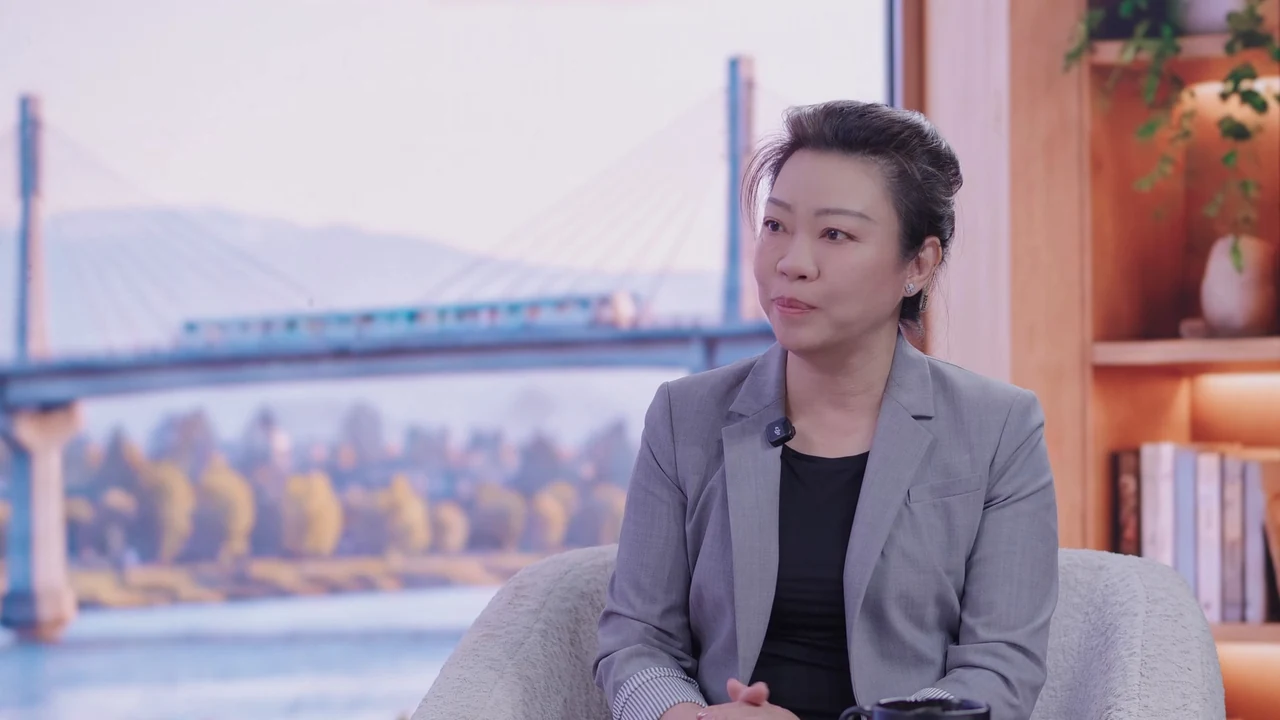
李珍谈二十多年的社区服务
李珍谈二十多年的社区服务
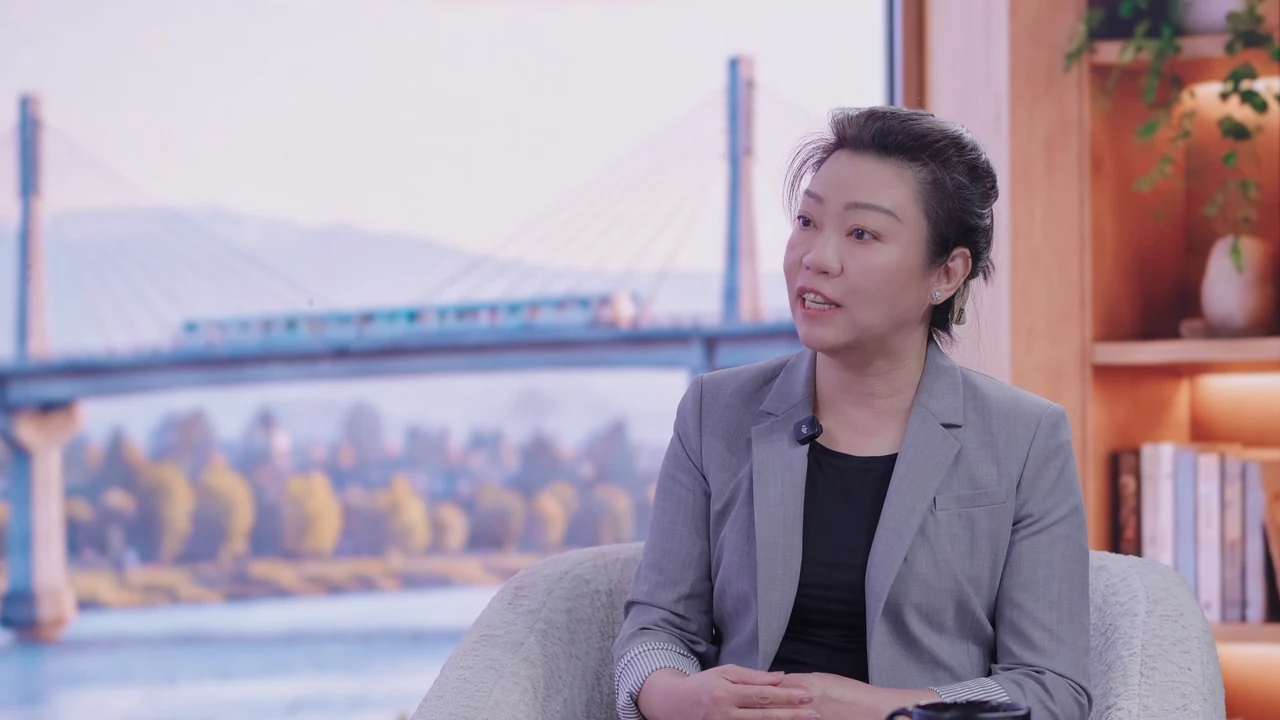
李珍在聚焦传媒演播室接受专访
李珍在聚焦传媒演播室接受专访
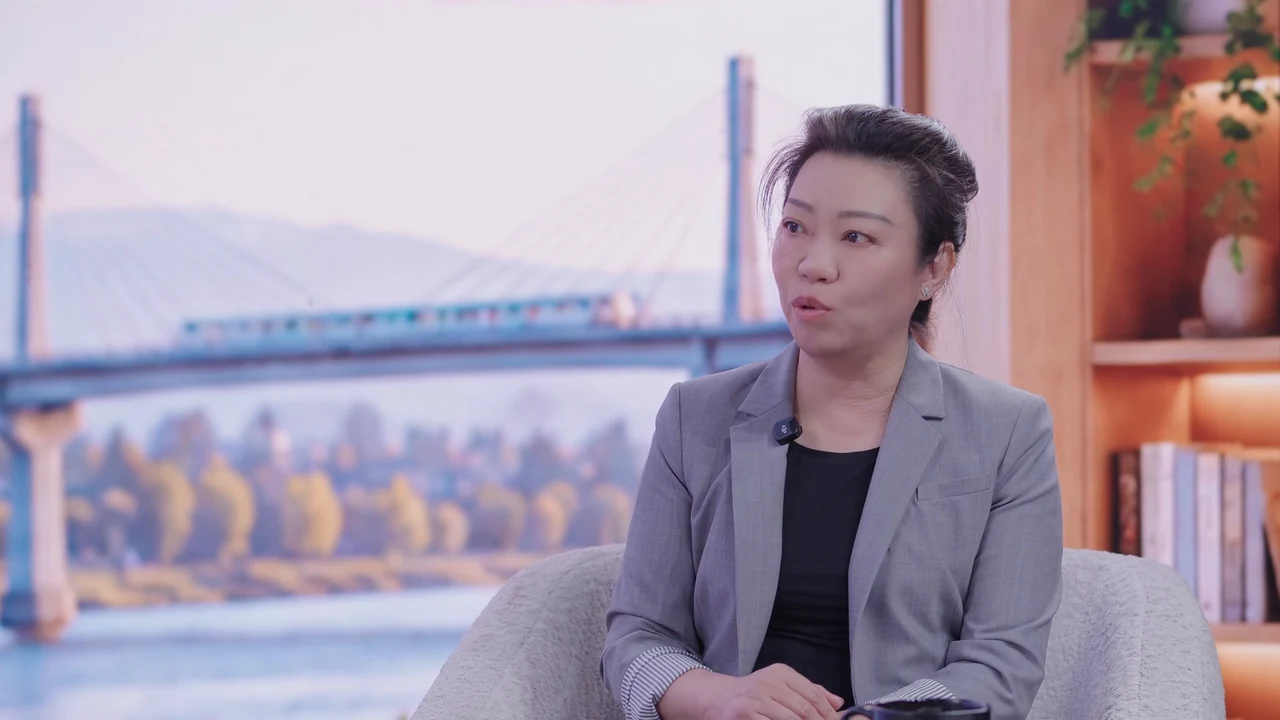
李珍谈为融入社区学广东话
李珍谈为融入社区学广东话
李珍谈中小企业主的难处
李珍谈中小企业主的难处
李珍谈住房与租房
李珍谈住房与租房
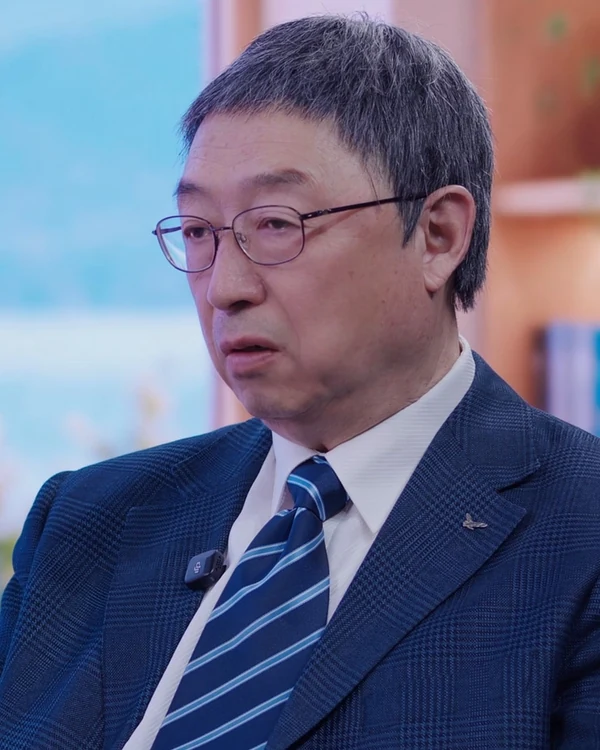
主持:余佩珊 Sarah Yu,加拿大聚焦传媒 CEO

节目与选举信息

李珍 Linda Li 是谁?

李珍是 BC NDP 在 2026 年 BC 省选列治文桥港(Richmond-Bridgeport)选区的候选人。该身份已于 2026 年 10 月 13 日按 Elections BC 候选人名单核对。她在节目中另外回顾了家庭、社区义工及相关机构的服务经历。

她在节目中怎样解释再次参选?

李珍在下集谈到她再次代表 BC NDP 参选的原因,讨论关税对列治文工人的影响、中小企业和日常开支。这些是她在访谈中给出的解释与政策看法,不代表聚焦传媒的政治立场。

上下集分别谈了哪些内容?

上集回顾先生离世后重新出发、社区服务和女性参政;下集讨论关税、中小企业、ICBC 与 MSP、住房、SFU 新医学院、家庭医生、列治文医院和毒品相关公共政策。节目中的经历、数字和判断归于受访者陈述。

2026 年 BC 省选哪天投票?

Elections BC 公布的一般投票日为 2026 年 10 月 24 日,提前投票为 10 月 16–21 日。投票日期于 2026 年 10 月 20 日再次核对;投票资格、地点及最新安排请以 Elections BC 公告为准。

节目使用什么语言?

节目为普通话原声,提供中文文字稿、英文翻译和中英文字幕文件。英文网页与文字稿不表示原片另有英文配音。

来源与节目说明

本节目内容为受访者个人观点,不代表加拿大聚焦传媒立场。聚焦传媒欢迎各党派候选人接受专访。

省选候选人名单与投票日期复核于 2026 年 10 月 20 日。节目中的个人经历、数字和政策判断保留原始语境,最新事实请查看官方资料。

如需更正姓名、翻译或链接,请联系聚焦传媒。 info@focusmediainc.ca