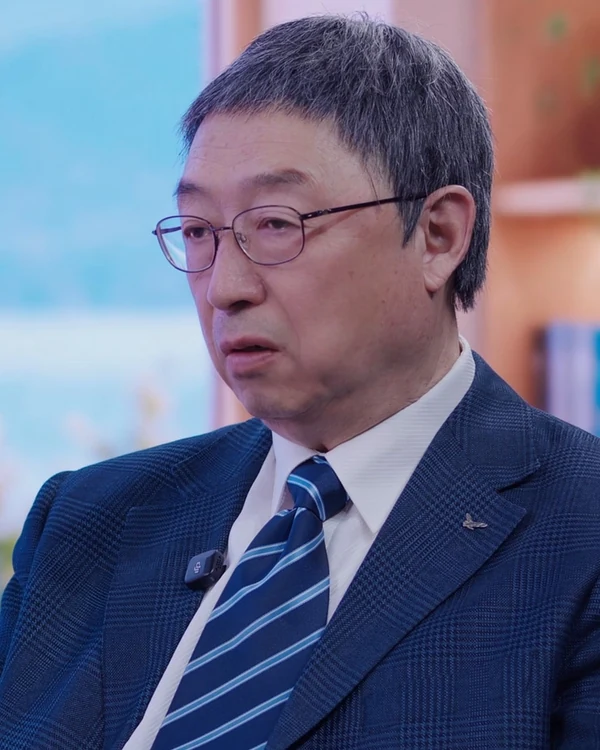
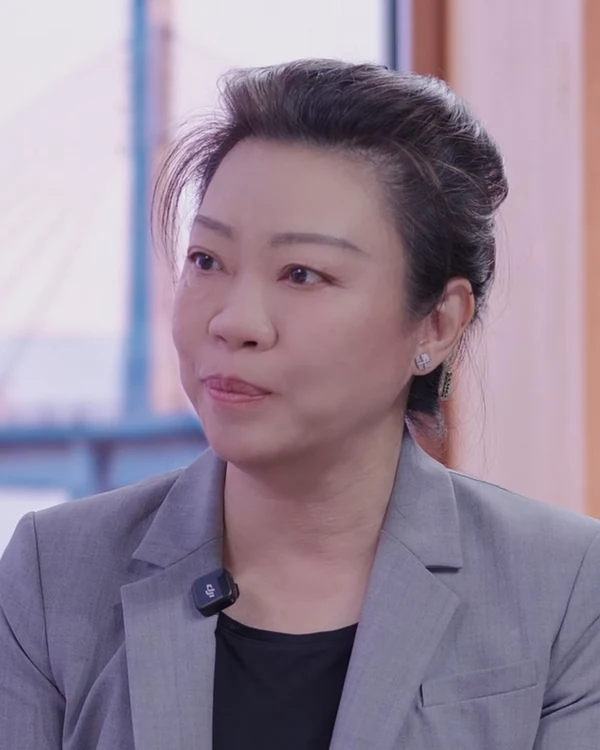
Focus Media
  1. Home
  2. 2026 BC election interviews
  3. Linda Li 李珍

Focus Media · Interview productions

Linda Li 李珍 Interview collection | 2026 BC election

BC NDP · 2026 Richmond-Bridgeport candidate

Linda Li (李珍) is the BC NDP candidate for Richmond-Bridgeport in the 2026 BC election, with general voting on October 24. In two interviews hosted by Focus Media CEO Sarah Yu, she discusses loss, community service and women in politics, followed by her return as a candidate, tariffs, small business, living costs, housing and health care. Personal experiences, recollections of roles and policy views remain her statements in the programme.

Hosted by Sarah Yu, Focus Media CEO · Produced by Focus Media 聚焦传媒

2 episodes

Linda Li 李珍, BC NDP · 2026 Richmond-Bridgeport candidate
Linda Li 李珍

Films · Chapters · Transcripts

Watch the conversations

Watch each film or use the original chapter links to explore a topic.

Episode 1

A Life That Touches Lives

Video imagery, cover titles and chapter names are from the original programme, with Mandarin audio.

Li recalls changes in her life after her husband’s death in 2019, family responsibilities and community volunteering. She also discusses learning Cantonese, the Richmond Chinese Community Society and women in politics. Personal accounts and recollections of roles are presented as her statements in the interview.

Browse chapters12 topics
  1. 0:00Highlights
  2. 0:17How they met: the 2022 school board race
  3. 1:20After losing her husband
  4. 3:19A pain only you can feel
  5. 3:5420+ years of community service
  6. 5:10Learning Cantonese to fit in
  7. 5:55Richmond Chinese Community Society
  8. 7:09Knocking on doors across Richmond
  9. 9:12Advice for women entering politics
  10. 11:51Women in politics
  11. 13:10Touching lives with your life
  12. 13:53Learning to turn the page
Read the English transcriptExpand full text

The following transcript comes from the supplied episode subtitles and preserves the conversation. It is not an editorial fact-check.

Linda Li (李珍) | Ep. 1: A Life That Touches Lives | 2026 BC Election Interview

https://youtu.be/7WQTkK2Mv0s

(Transcript from the episode's English subtitles; speakers not labelled. Host: Sarah Yu.)

[0:00] Highlights

But what I'm saying is, if the needle hasn't pierced your own skin, you really don't know how much it hurts. Doors slammed in my face, things thrown out at me, told to get lost. I've always held one belief: touch lives with your life. That's the meaning of being alive.

[0:17] How they met: the 2022 school board race

Linda, when we first met, you were running for school trustee four years ago, for the Richmond School Board. I remember you got over ten thousand votes. That's right. A really good result. You were only a few hundred votes short of being elected. That's right. So back then, I remember after the election we met at a dinner, and you said to me, "Sarah, I'm going back to school." To do an MBA, or further studies in management. I remember at the time I was filled with respect. I felt you were someone always striving forward. Thank you. Actually, it's a bit of a long story. Why I ran for office, or why I wanted to keep studying, I think there were certain turns of fate. I immigrated here 30 years ago, and the first 10 to 20 years, I spent a long time doing community service, raising kids and running a business. How many kids do you have? We have three sons. Yes. And one turning point was my

[1:20] After losing her husband

husband's death. He passed away in 2019. It was cancer. Very unfortunate. After he passed, I went through a period of reflection, and I felt we had to turn the page, not stay in the past. Life has to go on. From 2019 to now, it's been seven years. And in 2022 you came out to run in the municipal election, so you took three years to heal. I hear you and your husband were very close. Losing a loved one, yet you didn't stay in grief. Instead you walked out of it resolutely and gave back to society with love. What kind of strength is that? I think it was a kind of revelation. My husband wasn't very old when he passed. When you look back on it, you realize he was a wonderful man who volunteered a lot. He once said, "We're very blessed, because we're able to volunteer, able to give back. We should see it as a blessing." Yes, that was an inspiration he gave to my life: that's how we should see society. The other thing is, such a good man, when he passed, so very many of our friends were heartbroken. But when you're still, you realize that once you're gone, the longer it's been, the less your influence on others. But for yourself, in our limited lives, it's not the length that matters, it's the depth and breadth. But for a woman, you lost a partner, a partner who volunteered with you. Did you feel very lonely then? It was very... back then it felt very empty, I'd say. I think there is that. When your life partner leaves, for us, why do two people come together? To have a shared home, a shared future. When that's gone, you feel everything has collapsed. Everything I'd built over twenty-some years suddenly seemed gone, as if it had no meaning. Very often people will understand, or you'll understand, that it hurts a lot. But what I'm saying is,

[3:19] A pain only you can feel

if the needle hasn't pierced your skin, you really don't know how much it hurts. Yes. I can probably only grasp a hundredth, a thousandth of what you felt. But I can understand: a woman on her own, still raising three kids, and a husband who was so loving, who left so early like that. And yet within those three years you were able to come back to life, and put your backpack on and start again. Actually, even when my husband was alive, I was always doing community service. I've done it for twenty-some years. My

[3:54] 20+ years of community service

very first volunteering was when my kid started elementary school, in the school library. Back then we had no concept of volunteering. I just felt that having come here, we needed to learn Canadian culture. Later, after volunteering there, I joined the City of Richmond's early childhood advisory committee. After that I went on to become president of the Richmond Chinese Community Society. And of course, where I met you: the Chinese business association, the Lions Club. Later on I became a former ambassador for the Richmond Hospital Foundation, up to now. All of this has been my long-term path, building on this foundation. After my husband passed, I just felt we had to keep moving forward. Life goes on. That's why I thought I'd step out again and further my education, because it had always been my dream to do a master's. Your late husband's encouragement has always influenced you: his words, his voice and smile, all his dreams, his ideals, his constant dedication to the community kept influencing you, and you've carried on passing on his love. Actually, my impression of you was always the Hong Kong circle. Your community work, the Lions Club, all Hong Kong-based

[5:10] Learning Cantonese to fit in

groups. Yes. Are you from Hong Kong? No, my husband is from Hong Kong. I worked very hard to learn Cantonese, because when I had my kids, back then, since we came quite early, in the '90s, family doctors in our community never spoke Mandarin at all. So you had to push yourself and just start speaking. I think that was a very good thing. And with other friends, I always encourage them: it's okay, just believe in yourself. Just like us here, as first-generation immigrants, our English may not be as good as people born here, but that's okay. Language is just a tool for communication. Be brave in expressing yourself. Yes, fitting into the community is what matters most. Over these twenty-some years,

[5:55] Richmond Chinese Community Society

of course, you weren't the founding president, but I hear that before, this society was so influential that, without even being invited, all three levels of government would call you. Yes. At its busiest and most influential, over a thousand people. Once a month? We had an event every month, and all of them were large events. All of our directors, all board members, were volunteers. For example, I'm sure many people have been. Every year we'd hold events at Lansdowne: Lunar New Year, Mid-Autumn, Asian Heritage Month, or a health fair. We also had a children's art contest. We'd hold them all at Lansdowne, a place with big community reach. And each event was a full day. On top of that, every year we'd join the Salmon Festival parade, and other events. Basically, we had an event every month. So we were very busy, and at the same time we had a great deal of contact with the community. Actually, in terms of entering politics, I've learned a lot from it. These past years, across Richmond, without exaggeration,

[7:09] Knocking on doors across Richmond

I've knocked on doors in 70 to 80% of it. All of Richmond, as big as it is, because school trustee covers the whole city. Do you knock on doors by yourself? I have a team, but I'm always there. My friends say I stay in shape because I knock on doors. Another thing is, when we run provincially, you cover one riding, about a quarter of the city. Last time I knocked on every single door. I knocked on every door. Of course there are supporters, and there are always opponents, because in a democracy there are different voices. I think you just accept that calmly, and hope more and more people understand my only aim is to serve the community. That takes perseverance. So when you're knocking on doors, has anyone been rude to you, or refused to talk to you? Definitely. Or doors slammed in my face, things thrown out at me, told to get lost. Yes. I think whatever we do, we'll always run into setbacks. Don't take it to heart and let it become a setback, a resistance. So how do you handle it yourself, not get emotional, and in the moment turn it around quickly? Yes, because often when people are emotional with you, it's not really about you. It's really their feelings about the status quo. Right, it's not about you. And I feel even if they don't like me, no one is liked 100%. Not everyone has to like you, and that's fine. We just let everything happen and do our best. We show our best, and hope to win more people's hearts. Because you shouldn't dwell or wear yourself out. That's how we keep living. In life or in politics, don't wear yourself out, just keep charging ahead. Yes, because I meet a lot of young mothers too. Many of them see so many Chinese women entering politics, and they also have this idea. What advice would you give them? I warmly welcome everyone to join us. Having immigrated here, what matters most? This is our home. We have to treat it as our home. In this home, you have to be

[9:12] Advice for women entering politics

the master of the house. To have a say, you have to speak up, step up and raise issues. Right. What gives you standing to speak? Your participation in society. Besides volunteering, you can enter politics. Besides doing business to contribute, you can also go into politics. Because it's easy for us to say this policy is bad, that policy is bad. Only when you have a voice, when you're in politics, when you become someone who makes the rules, part of the process, can you better change society and make our society even better. So I encourage all my friends, if you're willing, and it's what we encourage now, we hope more Chinese Canadians get into politics. Actually, the party doesn't matter. Every party surely has a good side that helps our society. Each time, when voters choose a different party, it's just from their point of view. They feel at this time, this party's platform suits me better. But in the end, it comes down to the individual. Right? Each individual person. Yes. I just hope voters will think carefully and choose well. Choose someone willing to listen to your voice, willing to speak up for you. So each of you voters is our focus. Every one of us is a living, breathing person. We're not data. We change the community through every person's voice. A representative of the people brings your voices forward. So over these past 20 years, you must have gathered many residents' voices. Can you give a few examples? Actually, there are all kinds, because I'm very involved in the community. Ever since my kids were young, I've been closely connected with education: volunteering at schools, then the City's advisory committee, all the way to now, on the SFU Board of Governors. I've always been closely tied to education. So I also joined parent advisory councils, and so I have many such friends. For example, from daily school drop-offs, traffic, to the school's curriculum, what's good and what's not, we have lots and lots of conversations. So hearing so many different opinions, I hope that with this foundation I can truly bring everyone's voices to our policymakers and implementers. That's really why you need to step up and run: to listen to people and represent them. Great answer, thank you. So today, in our conversation, we'd really like to talk from a woman's perspective about women in politics. For you, from 2022, 2020, 2022 onward, you've been on the path of politics.

[11:51] Women in politics

Have you had really down moments, really sad moments, or felt that you'd taken the wrong path, or people around you really discouraged you? Has that happened to you? I'd say I haven't really had a particularly down moment. Because of course when you run, you want to win. You want to get across what you stand for. How should I put it... when my husband, my late husband, passed away seven years ago, when he left, that was the first blow in my life. Right? Then later you realize there are still many people around you to care for, and you become strong. I mean, I don't want others to see me disappointed. When I step out, I'm still an upbeat leader. I've always been this upbeat. So when you're in politics, you have many... when you go into politics, often some people won't understand you, and some will disagree with you. I think, first, be tolerant. Second, don't hit back at others. Look at it from a higher vantage point: what can I do that can have an impact on society? Because if I just volunteer on my own, it may be on a small scale. If I go into politics, I hope I can do more. Actually, I've always held one belief:

[13:10] Touching lives with your life

touch lives with your life. That is the meaning of being alive. That's also why I've been involved in community work all these years, including politics now. I believe that's the original purpose behind it. And because of that purpose, this year you're able to step up once again. Win or not, you'll be the best version of yourself. Yes. I won't make any predictions, but I'll be the best version of myself. I'll give it my very hardest. I hope that... each of us carries the hopes of many people. I won't let down those who believe in me. So your story is really a role model for many of us women. Thank you. I'd really encourage everyone:

[13:53] Learning to turn the page

be strong. In life, learn to turn the page. Don't let yourself sink into it and not get out. There's really no need. Life is very short. Let's live it deeper and wider, make it more meaningful. I remember Nietzsche said, "Every day we have not danced is a day wasted." So I hope to live every day well. We grow as we chase our dreams, right? Yes. Let's grow together. Yes, so glad. Thank you. Thank you so much for sharing with us today.
Episode 2

Bringing Your Voices to Victoria

Video imagery, cover titles and chapter names are from the original programme, with Mandarin audio.

Li discusses her reasons for running again and her views on tariffs, small business, everyday costs, housing, family doctors and public policy. She also recalls service involving SFU and the Richmond Hospital Foundation. Policy assessments and personal histories are her account, not an election recommendation by this page.

Browse chapters15 topics
  1. 0:00Highlights
  2. 0:21The 2024 race, and this one
  3. 2:18How tariffs hit Richmond
  4. 2:58Why an early election
  5. 4:02Small business owners
  6. 6:01Everyday affordability
  7. 7:23Housing and renters
  8. 8:00SFU's new medical school
  9. 10:48Family doctors
  10. 12:32The new Richmond Hospital tower
  11. 14:20Drug consumption sites
  12. 15:33A neighbour's 16-year-old daughter
  13. 16:48Why she's confident
  14. 17:42Putting voters first
  15. 18:54Time, energy, and 30 years in Richmond
Read the English transcriptExpand full text

The following transcript comes from the supplied episode subtitles and preserves the conversation. It is not an editorial fact-check.

Linda Li (李珍) | Ep. 2: Bringing Your Voices to Victoria | 2026 BC Election Interview

https://youtu.be/DIDcBChYZwE

(Transcript from the episode's English subtitles; speakers not labelled. Host: Sarah Yu.)

[0:00] Highlights

One day her mother came over and told us, "My daughter passed away last night." We've already brought in — we've recruited 800 health-care workers from the US, doctors and nurses. We had around 3,000 or 4,000-plus applicants, and this cohort is 48 students. I think we should choose someone like that — and that would be me.

[0:21] The 2024 race, and this one

So that's something I've been thinking about. When you ran in 2022 for MLA — right, for MLA... 20— In 2022 it was school trustee; 2024 was MLA. Right. In 2024, when you ran for MLA two years ago, your vote count was actually very strong. Although you trailed Teresa Wat by a certain margin, your numbers were great. Really, it was recognition of all you've done for the Chinese community, especially in Richmond, over so many years — people showing their appreciation for you. Thank you. I believe that whatever you do, either don't do it, or do it wholeheartedly. Yes — whether it's community service, or running for office, or my business, or even raising children, you always hope for the best outcome. Sometimes things don't go your way, but I think we should keep an accepting attitude. But at the same time, the most important thing is to know in your heart that you'll give it your all. It's only been two years since 2024, and now our premier has called another election. And two years later, you've again stepped forward, once again facing Teresa Wat as your opponent, right? Can you share with us why this time you wanted to step forward and run for the NDP? I think the very first thing to say is that my commitment to serving the community hasn't changed. I think that's the first point. And second, because I've always run for the NDP, and I strongly support the NDP's governing philosophy: helping all working people, helping everyday people, strengthening our public health care, and growing our economy. Because I firmly believe in these ideas, I'm running with them. As for why there's an election now — first, as our premier pointed out, Donald

[2:18] How tariffs hit Richmond

Trump's tariffs on Canada — their impact here in Canada is huge. Let me share a story about Richmond. In Richmond there's a wood panel mill. About 10 to 15% of their business is in the US. Because tariffs went up to 50%, they've been forced to shut down one day a month, so the workers lose four days' pay a month — less to spend on their kids, and less spending when they go out. The impact is really across the board. What I've described is just — it's a vicious cycle — just one small example, but every industry will be affected. Right, but what does this have to do with

[2:58] Why an early election

us holding another election? Of course it's related, because when we carry out these policies, we don't do something today and see results tomorrow, right? It needs continuity — constant investment, constant output — before we see results and can deliver real benefits to our people. So that's why we're calling this election. I know it costs money, but compared with how much our government has already invested, we hope to have a stable, strong government that can better carry forward our investments and all our multilateral trade relationships. So is that what it means — that the provincial government is really hoping to win more of a majority? Is that the idea — hoping that with new policies, they can be carried out better? Yes, it's about government continuity — we hope what we're doing can move forward steadily. Because when a government is in chaos, everything it tries to push is very hard to make work.

[4:02] Small business owners

But after paying taxes each year, what's left may be next to nothing. In the current market conditions, in a market like Vancouver and BC, what measures can the NDP take over the next four years to get things done? I really agree with what you said, because I'm a small business owner myself, and I understand. First, for Vancouver, or for BC, our whole Canadian market isn't as big as we imagine. So when your market isn't big enough, with all the costs, labour costs, and the whole world being so chaotic — Trump's tariffs and all — it has a very, very deep impact on every one of us. That's why our provincial government says we need to go out there and create more trade opportunities, and create more opportunities here at home — not just for small business owners, but more job opportunities for ordinary working people. People attack our government, saying we have a $13.8 billion deficit and so on, right? But the point I want to make is, with the deficit, you have to look at where we're spending the money. We're spending it on major infrastructure and on energy projects, which bring back tens of billions in returns and create thousands of jobs. So in turn, this helps our provincial economy, while creating jobs, and that gives a big boost to every other part of our economy. This is what we urgently need to do right now. I'd like to ask — the NDP, of course, over these years in government, has faced criticism as well. Since you're with the NDP, could you tell us about some of its policies? Because ordinary people may not really understand them.

[6:01] Everyday affordability

For example, we cut car insurance premiums by $500, and we've frozen them for seven years, so our premiums are the lowest. And for example, we used to pay MSP — not anymore. It's long gone — gone once the NDP came in. So really, all of this — don't think we haven't done anything. A lot has actually been done. Let me add another reminder — this really was our government's doing. My friend runs a daycare, and she told me that every year, for every child, the government gives each child a subsidy of a few hundred dollars — I mean, a few hundred a month — the child benefit? No, not the child benefit — it's for daycare. And every teacher gets a subsidy too. So the government has spent a lot of money in these areas. I just believe it hasn't been publicized enough. I hope I have the chance to bring this to everyone, so more people know what our government has done for you. Because right now people feel that housing affordability is a big source of anxiety, or a burden — for example, taxes, and also the rental housing side. Could you share with us what the NDP has done in this area? Actually, I have a property company myself; we manage several hundred rental units.

[7:23] Housing and renters

We deal with tenants all the time, and I know life is really not easy. The good thing is, our government has built more and more affordable housing — for low-income people, for seniors. What's been built and what's under way is all part of a long-term, roughly ten-year plan to keep building so many units. But if a Conservative government comes to power, they've said they'd cancel these first, cut these first. So that's why we need this election — because we want our policies to continue and help more people.

[8:00] SFU's new medical school

As a member of SFU's Board of Governors... I feel very, very honoured to serve on SFU's board, because there, I'm also the only Chinese-Canadian. I believe we have about 20 governors. SFU has a big influence in Vancouver, a big influence in BC. UBC is more of a research university, while SFU is more of an applied, practical university. Our co-op program is extremely popular, because our students' employment rate is high. And what SFU is really proud of is our new medical school, which the BC government invested in. — I'm curious: could you tell me a bit about how SFU's new medical school differs from traditional ones? Can students graduate faster, or gain skills and knowledge more quickly? Yes, its approach is completely different. It's a bit different from UBC. It's the first new medical school we've built here in the West in 60 years — none in five or six decades — a brand-new one, and our approach is different. We're linked with family doctors everywhere, and all the students go back to their own communities, so with family doctors, while they're studying, they're already doing placements in family doctors' clinics. We want to train — "That fast?" Yes — to train more family doctors, learning and training at the same time. That's the approach — not having doctors study for years, then more years, then go to a hospital. So this can more quickly address the family doctors we need right now. Right. But these kids — do they go through very strict screening? Because I heard that at UBC, if you want to become a doctor, you go through layer upon layer of screening — 20-some experts assess you, ask you all kinds of questions — and very few make it. So will SFU relax that, or will it also be very competitive? — No, it won't relax. Because medicine is a very rigorous profession. You need real compassion, and your academics must be strong, because lives are at stake. We had about 3,000 or 4,000-plus applicants, and this cohort is 48 students. So it really is — of course it's very hard to get in. And our government has invested a considerable amount — a lot of money. We're now continuing to build a new teaching building on the old site. And because we have a different approach — we've really signed on many family doctors' clinics — these family doctors are essentially helping train our future family doctors, so that from the start, students are seeing patients, getting to know patients, getting exposure to everything, and they know what they'll face in the job every day. So they can learn better and fit in better. And some students come from more remote areas, and they go back to serve once they've finished training.

[10:48] Family doctors

Speaking of access to care, for a lot of BC residents — something like 80 or 90%, 70 or 80% — feel it's hard to see a doctor in Canada, since health care is free for everyone. Right. So — and you just told me that at SFU, out of 3,000 or 4,000 applicants, only 40-some are being trained. That's simply not enough to serve so many ordinary residents, right? So that's a problem. And recently I've heard a lot of people say Vancouver can't keep doctors, Canada can't keep doctors. Many well-trained doctors get hired away by the US with high salaries, and those who stay here may not have as much ambition, or their skills may be just average. So, I mean, how do you see this situation? Well, here's the thing. I think the BC NDP government has been working very hard to solve these problems. We've always said many people don't even have a family doctor. What our government has rolled out — this year, so far, we've already brought in 800 health-care workers from the US, doctors and nurses, to come here. We created a special policy to attract them, and I believe more will come to serve our residents. The government spent this money because it's much faster than training a doctor ourselves, and it can address our current needs. In just the first few months, we've already matched over 200,000 people with a family doctor. In fact, per capita, on average, right now our rate of people matched with family doctors is the highest in Canada. But of course there are still hundreds of thousands — we still have a long way to go, and we'll keep up this work. On another front, as

[12:32] The new Richmond Hospital tower

a former fundraising ambassador for the Richmond Hospital Foundation, I feel very strongly about this. Everyone knows our hospital's new tower is under construction. It was only after the BC NDP government took office that this project really got going. When you drive by now, you'll see that empty lot — the old parking lot has been torn down. It'll be finished in the next few years, and we'll have brand-new patient rooms, all of them single rooms. And we're expanding our emergency operating rooms from the current 6 or 8 to 11, all with brand-new equipment. Our foundation has done a lot of work, including me personally — I donated a room. I've made a personal donation. How much does it cost to donate a room? — Mine was relatively... I think it was $50,000. There are bigger ones at $100,000, and many big gifts of $10 million or more. Everyone who donates really loves this community — they feel this is our home, this is our hospital. Because our hospital was first built in the 1960s, when Richmond had only 50,000 people. So because of that, now with 250,000 people, the need is huge. We also serve the airport and the ferry terminal — if anything happens to anyone there, it's all Richmond Hospital's job. So when we do each small thing — it may seem small, but small things add up. I hope more people will come help our hospital do even more. And our provincial government is firmly committed to getting the Richmond Hospital project done right. The tower should be finished soon — in 2029, I believe. Now, last year, in 2024 and 2025, especially in 2025, various provinces and cities, such as Vancouver, Richmond, Burnaby, were all pushing ahead with drug

[14:20] Drug consumption sites

consumption sites — where to put them. How do you view this issue? First, I want to be clear: drugs — we're all against them. No one wants to condone drug use. We know very well the harm they cause. They don't just harm individual lives — they harm our families and our whole community. So what we need to do is ban drugs. But for people who've become addicted, how should we treat them? We don't treat them as criminals; we treat them as victims. So what we're doing now is treating them, and preventing this from happening. As for what you just mentioned, the consumption site issue — back then, when everyone came out to oppose it, Vancouver Coastal Health also said that, based on current data, Richmond won't have one. Right — not in Richmond, because Richmond's situation isn't that serious at all. So we also concluded we don't need one. So people can rest assured. Actually, why do I say we've always been strongly against drugs? Many things happen right around us. When these things really touch us, that's when we realize how urgent drug prevention and control are. Because in our neighbourhood, there was a girl, 16 years old, very lively.

[15:33] A neighbour's 16-year-old daughter

We'd often see each other and say hi. Then one day her mother came over and told us, "My daughter passed away last night." We were all very sad, and very shocked — such a young person. It was drug misuse — an overdose — and at that time she didn't get help in time. So I strongly urge everyone to see that we need to save lives — to save the lives of these people, and help them properly, psychologically and physically. That's what our community urgently needs to do. We shouldn't sensationalize, or say these people are harming our community. Of course, their behaviour does have some negative effects. This really requires not just the government, but also the public — our whole society to pay attention, everyone to pay attention, so we tackle this problem together. So fighting drugs is also something we must do. We've known each other for many years, and I think this time you've again had the courage to step forward and face off against Teresa Wat. Two years ago, there was still a gap in your vote counts. So this year,

[16:48] Why she's confident

with what mindset are you running? And what kind of answer, or what kind of report, do you hope to give residents, so they choose you? And your confidence — do you think you can win this race? OK. I think there are two sides to this. First, as I just said, why we're holding this election — well, it's so that our residents' lives can be better, because of the uncertainty we're facing — economic uncertainty. We want to make sure this government can keep things going and see them through. That's one reason for this election. Another reason is that I have been in this community for 30 years. I know this community very well. And I'm very willing to listen to everyone's voices, and to better carry your voices to Victoria. That's one of my goals in running. Another thing is that right now, the local MLA for this riding

[17:42] Putting voters first

has switched parties three or four times in a short time. Teresa Wat, when she left the Conservatives, had her reasons, too. The reason she gave at the time was that the party leader then had misunderstood her personal background, or attacked her, which really hurt her. Right. I think as a politician, what should we do? What are our principles? I think first, you should put your voters first. Other matters can be resolved internally. Jumping back and forth — today you're a Conservative, then you jump and say you're an independent, then a few days later you join another party, and then jump back to the Conservatives. These different parties of course have different views. If you jump to another party, does that mean your voters all share your views? I don't think that's right. I think whatever we do, at any time — for example, in my own real estate business, every time we do something, we put our clients' interests first, and only then ourselves. As an elected representative, you should put the interests of your riding's voters first.

[18:54] Time, energy, and 30 years in Richmond

Are your kids all grown up now? Yes, my youngest is 26. The youngest is already 26. Right. Well, you really look so young. Not that young — but young at heart. So now, you — basically all your energy, right, you're at your best, and no longer tied down by family matters, so you can put everything into this. I think I'm running for another reason, too — like you said, I now have the time and energy. Because any time you want to make a comeback or revitalize something, it really takes a lot of energy. I hope to be someone who, more than our current MLA in this riding, spends more time locally, because I know she doesn't live in Richmond. Right. I've been here 30 years. Every day I'm in touch with all this. I'm the hospital's former fundraising ambassador; I know what our community and our health care need. I'm in touch with so many seniors, we serve so many families. We have a very personal sense of what we who really live in Richmond face every single day. And someone with more heart, who has more time to give to the community — I think we should choose someone like that — and that would be me. A truly charismatic woman.

Scenes from the production

These stills come from the supplied interview masters, identifying the guest and host in their programme roles.

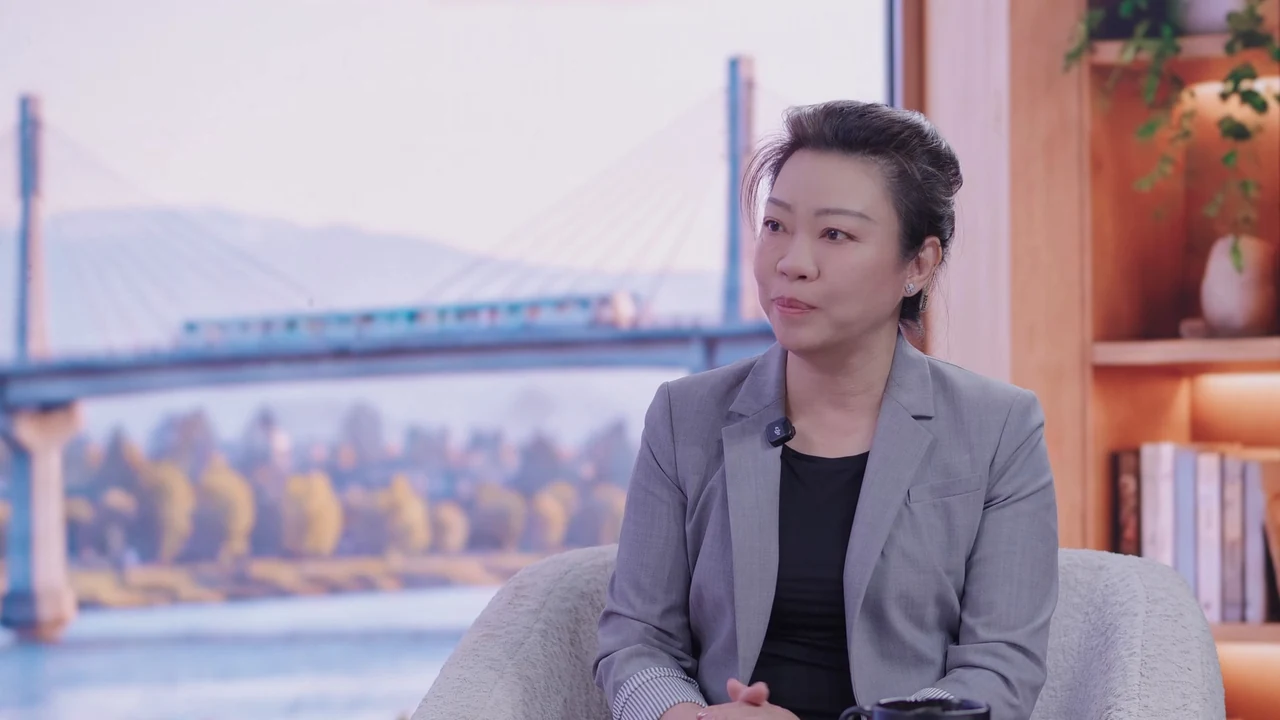
Li discusses more than 20 years of community service
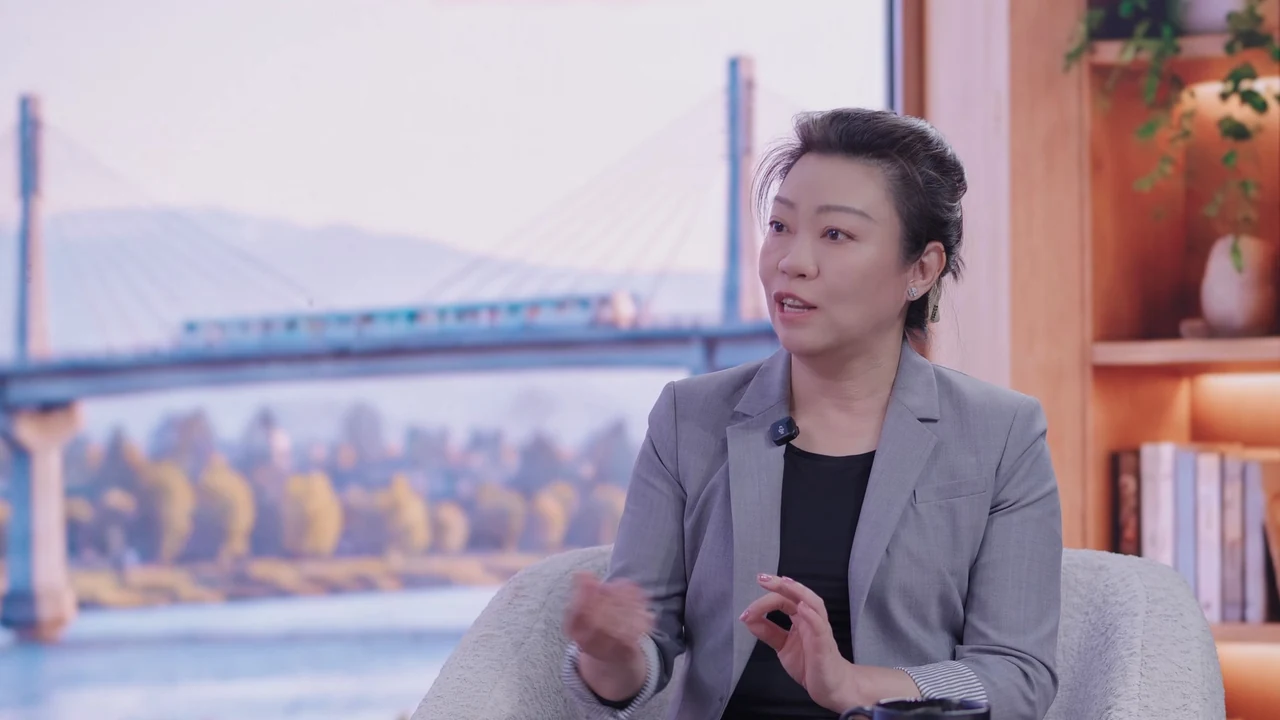
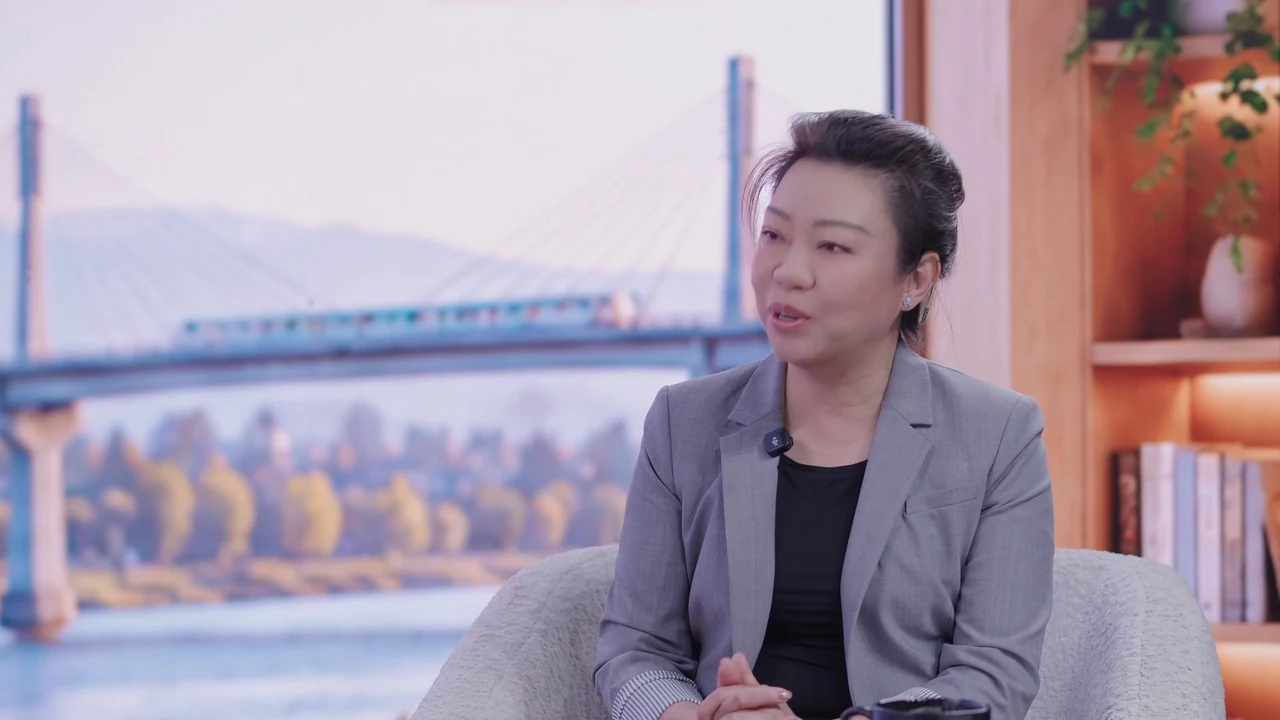
Li in the Focus Media interview studio
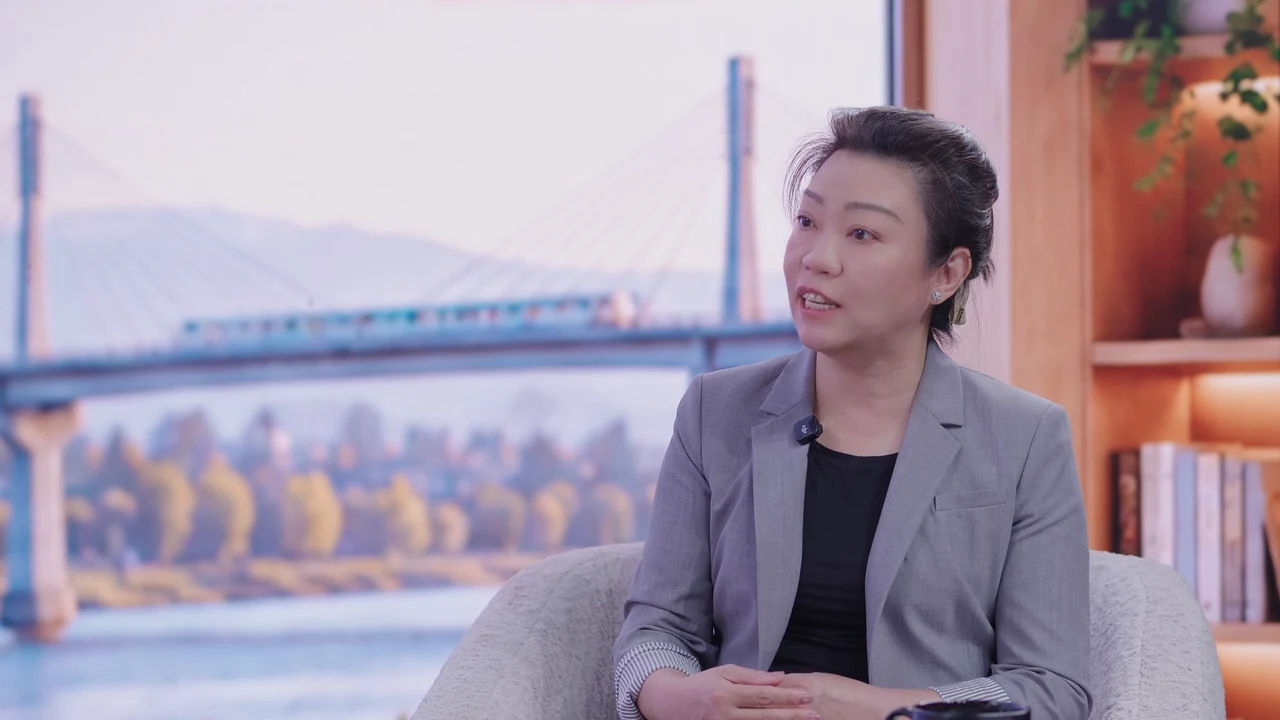
Li discusses learning Cantonese
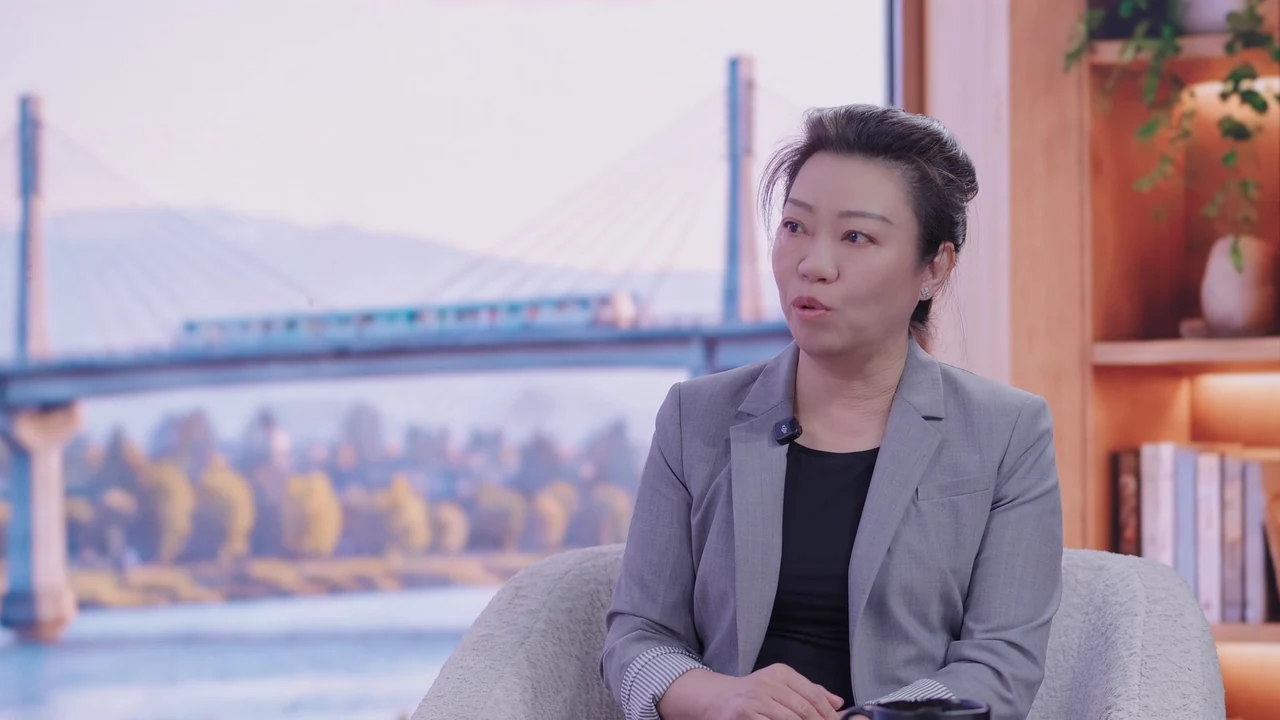
Li discusses small-business owners
Li discusses housing and renters
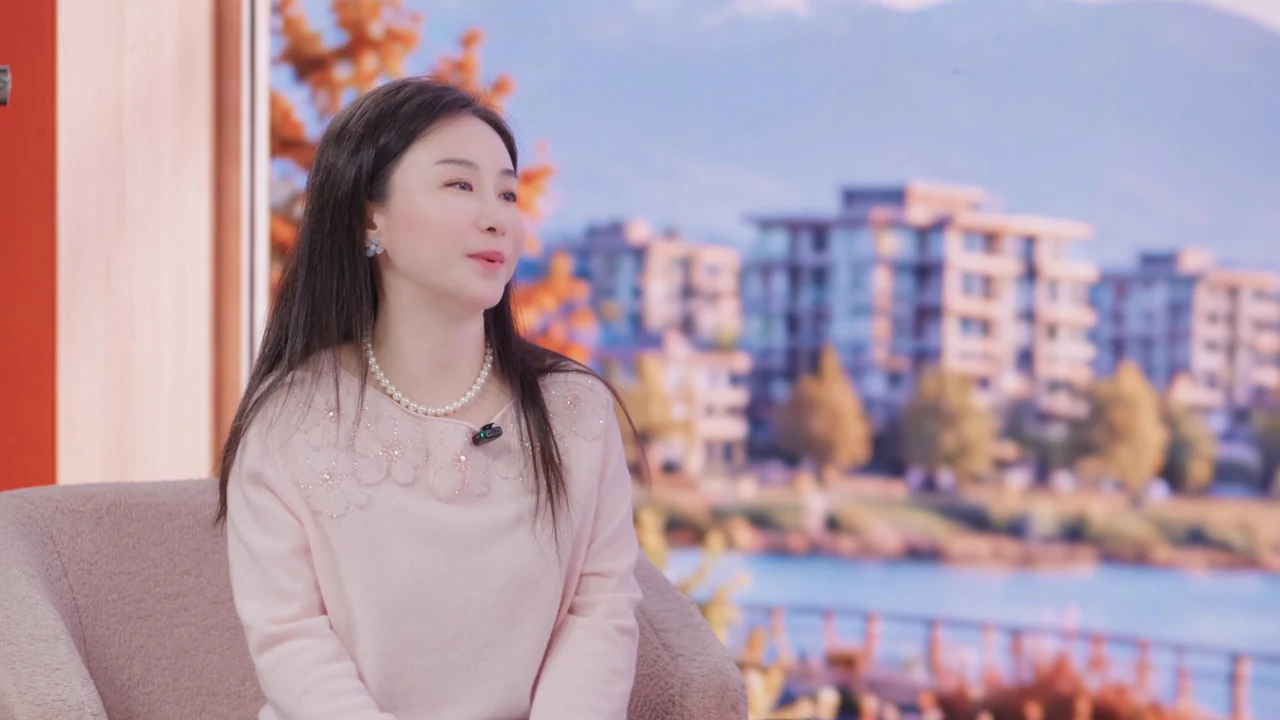
Host: Sarah Yu, CEO of Focus Media

About the interviews and election

Who is Linda Li?

Linda Li is the BC NDP candidate for Richmond-Bridgeport in the 2026 BC election, checked against the Elections BC list on October 13, 2026. In the interviews she also recalls her family life, community volunteering and service with local institutions.

How does she explain running again?

In Episode 2 Li discusses her reasons for running again with the BC NDP, including her views on tariffs affecting Richmond workers, small businesses and everyday costs. These are her explanations and policy views, not a political position taken by Focus Media.

What do the two episodes cover?

Episode 1 explores rebuilding life after her husband’s death, community service and women in politics. Episode 2 discusses tariffs, small business, ICBC and MSP, housing, SFU’s medical school, family doctors, Richmond Hospital and drug-related public policy. Accounts, figures and assessments are attributed to the guest.

When is BC's 2026 provincial election?

Elections BC lists October 24, 2026 as general voting day, with advance voting October 16–21. This page was checked on October 13, 2026. Consult Elections BC for eligibility, locations and the latest arrangements.

What language are the interviews in?

The films have Mandarin audio, with Chinese transcripts, English translations and downloadable captions in both languages. The English page and transcript do not indicate a separate English audio track.

Sources and programme notes

Views expressed are the guest's own and do not represent Canada Focus Media. Focus Media welcomes interviews with candidates of all parties.

Candidate identities and election dates were checked on October 13, 2026. Personal accounts, figures and policy assessments retain their original context; consult official sources for current information.

To report a name, translation or link error, contact Focus Media. info@focusmediainc.ca