Focus Media
  1. Home
  2. 2026 BC election interviews
  3. Henry Yao 姚君宪

Focus Media · Interview productions

Henry Yao 姚君宪 Interview collection | 2026 BC election

BC NDP · 2026 Richmond Centre candidate · Former MLA

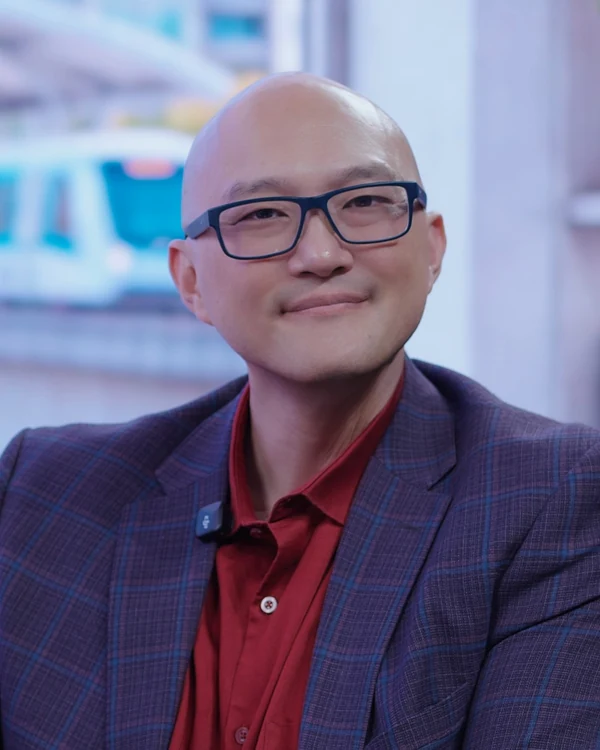
Henry Yao (姚君宪) is the BC NDP candidate for Richmond Centre in the 2026 BC election and was MLA for Richmond South Centre from 2020 to 2024. In two Mandarin interviews hosted by Focus Media CEO Sarah Yu, he recalls illness, community service and entering politics, then discusses water security, disaster readiness, homelessness, public finances and infrastructure. Original films, bilingual captions and full transcripts are provided. Personal accounts, recollections of his work and policy assessments are attributed to him.

Hosted by Sarah Yu, Focus Media CEO · Produced by Focus Media 聚焦传媒

2 episodes

Henry Yao 姚君宪, BC NDP · 2026 Richmond Centre candidate · Former MLA
Henry Yao 姚君宪

Films · Chapters · Transcripts

Watch the conversations

Watch each film or use the original chapter links to explore a topic.

Episode 1

Life Is Too Short to Live Just for Money

Cover titles and chapter names retain the original programme’s wording. Mandarin audio.

Henry Yao recalls lymphoma, youth-service work after recovery, elections and community involvement, then discusses school seismic upgrades and TCM exams. Health experiences and recollections of his work are his personal account, not medical advice or independently verified findings on this page.

Browse chapters10 topics
  1. 0:00Highlights
  2. 0:25Why the NDP
  3. 0:50Lymphoma in his early twenties
  4. 2:08After cancer: youth services
  5. 2:48Losing the 2014 council race
  6. 3:28Four years of community work
  7. 4:01School seismic upgrades and expansions
  8. 5:02English-only TCM exams
  9. 6:28As a father of two
  10. 6:49“We're not in it for the money”
Read the Chinese transcriptExpand full text

The following transcript comes from the supplied episode subtitles and preserves the conversation. It is not an editorial fact-check.

姚君宪 Henry Yao 人物专访|人物篇:生命很短,不想只为赚钱|2026 BC 省选

https://youtu.be/7PVC0-Ld9EQ

(文字稿据节目字幕整理,未区分说话人;主持:余佩珊 Sarah Yu)

[0:00] 精彩预告

从政背后的原因是源于您

在早年的时候得过一场病是吗

那时候得了一个癌症叫做

两种不同的淋巴癌20出头

听到这个事情的时候自己都很害怕

如果是30年前得这个病

就是保证死亡没有存活率的 生命很短

我不希望浪费在只为了赚钱

如果是非公共治疗的话

我不一定付得起这个钱

我就可能就今天没办法坐在

这边跟你聊这个事情了

[0:25] 为什么代表 NDP

其实NDP这个党

确实是大家有不同的声音

那你这次还是代表NDP这个党

因为很多人讲我们对新民党

为什么比较喜欢因为我们是

比较倾向于人性的方法做事情

像我对教育是很看重的

我对医疗是很看重的

我很喜欢公共教育和公共医疗

我觉得对我们小老百姓来讲

医疗制度如果是变得势利化

我们看得出来美国那边的可怕性

所以我是不想往这个方向走

[0:50] 二十出头得了淋巴癌

从政背后的原因是源于您

在早年的时候得过一场病是吗

2004年那时候得了

一个癌症叫做两种不同的淋巴癌

是20多是吗

20多一点20出头

听到这个事情的时候自己都很害怕

当然那时候还没跟医生聊天的时候

就已经有一种恐惧感在那边了

因为没人愿意面临死亡

尤其这么年轻的时候

所以那个时候觉得生命真的很短暂

然后当然通过医生通过治疗

我就觉得治疗真的很好

能把我从死神手中带回来

因为那时候医生跟我解释说

如果是30年前得这个病

就是保证死亡没有存活率的

10年前治疗会相当痛苦

可是那个时候我得的时候

医学科技已经非常发达了

所以对我们来说我算是运气好的

能够得到这好的医疗资助

我就觉得我们

应该对我们的社区做更多贡献

生命很短我不希望浪费在只为了赚钱

然后去对社区没有贡献

很感恩加拿大的医疗

非常感恩加拿大医疗

因为如果是非公共治疗的话

我不一定付得起这个钱

我就可能就今天没办法坐在

这边跟你聊这个事情了

所以我很感激有这个治疗记录

而且让我们家庭可以度过这个难关

经过几年的时间恢复过来

五年 我们治疗了

好像是six round的chemo

然后是四个round的radiation

然后是五年他每年做检查

每年做检查看有没有回来检查

五年后发现没有回来了就算正式算是说

in remission的方法

我已经打败这个病魔了

[2:08] 打败病魔之后

当然五年后的时候我

那时候已经开始做青少年服务

和辅导也希望对社区做一些

比较有意义的事情

我也觉得有时候年轻的时候

因为华裔家庭嘛

比较注重那个什么学习

可我觉得我个人的精神上

我个人的社交上还有个人的

自我自信建立没有在那边

所以我花了大部分时间后头

才做青少年服务跟辅导帮别人

建立一些我当时没有的东西

你是不是在做的过程当中

你自己觉得当时没有的东西后来

也慢慢建立起来了

其实当时我的

青少年服务是列治文最大的

虽然我们用最少的资源

可是当时因为我们跟市政府

聊天的时候他们就觉得欸

你做够了别再做那么多了

我就心里有点烦

那时候就说那我去从政

更高的方法来改变这个方向

[2:48] 2014 年选市议员落选

那时候你选的是省选

市选2014年是选市选

选的是什么

选的就是独立候选人

独立候选人 独立候选人 市议员

对

当然成绩不好没经验

就是一个年轻小伙子抱着一个那个

心态这样

其实我们觉得

不管是你选市选还是省选

一定要有一个长线的准备

就像跑马拉松一开始肯定

是没有很多的民意的支持

但是你经过几年对吧

慢慢的积累就多起来了

我其实觉得我觉得说当市议员

我很希望就是大家不管是

什么民意代表能从人生经验

慢慢学习慢慢累积起来

当时我很感激我没有选上去

因为当时其实我真的是有点

乳臭未干的感觉什么你太年轻了

[3:28] 落选后四年跑社区

我落选后呢我就花了

差不多四年在社区跑场

我们在不同的社区活动

参加不同的非营利机构

然后做很多不同的义工

像当时我常常会帮那些无家可归社区

那个喂饭的地方帮他们洗碗

帮他们招待那些弱势群体

我也在我们的环保团体

里头去帮他们做一些

清除那些入侵物种

帮他们捡垃圾

所以我很荣幸在2020年的时候

有机会去代表BC省新民党去参加省选

那个时候省选完后呢

我就再一次跳到一个新的阶层

[4:01] 小学抗震与扩建

你在这个贡献里边有一个DeBeck

小学抗震的筹款

政府给他们拨了很多的钱 对

因为当时列治文有至少一半以上的小学

没有 抗震能力

没有抗震能力或抗震不到位

因为大家都知道在列治文

我们不知道什么时候有天灾

我们这个地震其实不是会不会

有而是什么时候会来

我们做父母亲的谁愿意

自己的孩子在一个不安全的小学上学

我们希望他们能开开心心出门

平平安安回家所以防震这件事情

对我们下了非常多的功夫

同时你看到我们的学校的话

我们列治文中区有很多的新移民

很多新的小家庭都在中区聚集起来

所以那时候我们学校也跟不上

学校的位置也跟不上需要

所以当时我在跟

Cook Elementary School

我们也跟Brighouse

Elementary School

两边都瞬间同时扩建

一边扩建150个新位置

另外扩建125个新位置可是这些都是

一种临时性的解决方案

所以在2023年的时候

我就跟列治文教育局合作

他怎么样让省政府市政府

和我们教育局一起合作在列治文

找一个新的合适的盖新的小学

[5:02] 中医考试要全英文

你这个四年推行其实也非常的艰难吧

因为政府的政策不是说你发起了

它就能够给你推行下去

中医考试这一块你也做了

很大的贡献你能给我们具体

讲一讲遇到的困难如何解决的

当很多中医的朋友跟我讲

说他们现在碰到一个不同的难题

说中医现在通过他们

那个regulatory body

要求全部都用英文考试

对啊

没有用中文考试所以很多

中医界的朋友跟我发表这个信息

我就找机会跟我们的厅长聊

他的想法就是说这不就是语言吗

语言是什么他们看不到

如果中文不好就学英文去考试

那个时候就需要一个候选人

或者一个民意代表是

有一种多元化的背景

我就跟大家讲说你不能只是谈语言

我们简单讲希望你

也把很多中文翻译成英文

就像上火受寒

然后热与寒怎么分辨

然后中药界什么

那些不同的针灸穴道这些东西

语言是一种新的文化也不能

永远不可能百分之百整个转过去

如果我们真的要把中医当成

一个值得参考值得发扬光大的

医学系统的话

我们就必须要了解他们必须要

博大精深的语言文化

必须要把他们的根基握住

不能放弃根基一旦语言跟文化切开了

这个中医界在北美的

发展会觉得有一种

味道就会变了会变质

所以当时我也跟我们的

不同的厅长像康厅长周厅长

还有我们当时的省长尹大卫

我们一起合作把北美的第一个公共

中医的学位摆在KPU里头

[6:28] 作为两个孩子的父亲

我作为一个父亲我带我两个孩子

一个四岁跟一个五岁我最大的希望

就是我这辈子走完路后就是希望

我孩子长大能跟所有的不同

主流多元化环境都能跟大家

一起平起平坐

也不会因为他们的背景而被歧视

刚刚听你分享关于中医考试的

这个事情我觉得你的方法

其实真的是说把

问题的根挖出来了

[6:49] “我们不是为了钱”

我这样讲吧我虽然很愿意

帮助大家可是我很荣幸当时

我有很好的团队

因为其实如果一个省议员

决定不做事

他真的能做事也能不做事

也没人能对他做什么

可是就像我讲我们不是为了钱

我们是为了照顾这个社区

我就只希望我的孩子

在一个好的社区上长大

他们开开心心出门平平安安回家

我的父母亲也住在选区里头

我也希望他们年纪大的朋友

能安安全全出去开开心心回家

Read the English transcriptExpand full text

The following transcript comes from the supplied episode subtitles and preserves the conversation. It is not an editorial fact-check.

Henry Yao (姚君宪) | Ep. 1: Life Is Too Short to Live Just for Money | 2026 BC Election Interview

https://youtu.be/7PVC0-Ld9EQ

(Transcript from the episode's English subtitles; speakers not labelled. Host: Sarah Yu.)

[0:00] Highlights

Your reason for entering politics goes back to an illness you had early on? Back then I got cancer: two different lymphomas. In my early 20s. When I heard the news, I was very scared. If I'd gotten this 30 years earlier, it meant certain death, no survival rate. Life is short. I don't want to waste it just making money. If the treatment weren't public, I might not have been able to afford it. and I might not be sitting here talking to you today.

[0:25] Why the NDP

The NDP as a party, people do have different views about it. Yet this time you're still with the NDP. People often ask why we prefer the NDP. It's because we lean toward a more humane approach. For example, I really value education, and I really value health care. I really like public education and public health care. I think for us ordinary folks, if health care becomes profit-driven, we can see how scary it is in the US. So I don't want to go in that direction.

[0:50] Lymphoma in his early twenties

Your reason for entering politics goes back to an illness you had early on? In 2004, I got cancer: two different lymphomas. You were in your 20s? Just over 20. Early 20s. When I heard the news, I was very scared. Even before I'd talked with the doctor, there was already a sense of fear. Because no one wants to face death, especially that young. So back then I felt life is really short. Then, through the doctors and treatment, I felt the treatment was really good. It brought me back from death's door. The doctor explained to me back then that if I'd gotten this 30 years earlier, it meant certain death, no survival rate. Ten years earlier, the treatment would've been very painful. But by the time I got it, medical technology was very advanced. So I'd say I was one of the lucky ones, able to get such good medical support. And I felt we should give more back to our community. Life is short. I don't want to waste it just making money and not contributing to the community. You're grateful for Canadian health care. Very grateful for Canadian health care. Because if the treatment weren't public, I might not have been able to afford it. and I might not be sitting here talking to you today. So I'm grateful for this treatment, and that it got my family through this difficult time. And it took a few years to recover. Five years. For treatment, we had I think six rounds of chemo, then four rounds of radiation, then five years of yearly checkups, checking every year if it had come back. After five years it hadn't come back, so I was officially in remission. I had beaten this disease.

[2:08] After cancer: youth services

Of course, by the five-year mark, I'd already started doing youth services and counselling, hoping to do something meaningful for the community. I also felt that when I was young, being from a Chinese family, there was more focus on studying. But I felt that mentally, socially, and in terms of building self-confidence, it wasn't there. So I spent most of my time afterwards doing youth services and counselling, helping others build what I didn't have back then. As you did this work, did the things you lacked back then gradually develop in you as well? Actually, back then my youth services were Richmond's largest, even though we had the fewest resources. But when we talked with the City, they felt, hey, you've done enough, stop doing so much. I was a bit frustrated. So I said, then I'll go into politics and change direction from a higher level.

[2:48] Losing the 2014 council race

So you ran in a provincial election? Municipal. 2014 was a municipal election. Running for what? As an independent candidate. Independent candidate. Independent. City councillor. Yes. Of course, I did poorly. No experience. Just a young guy with that kind of mindset. Actually, we feel that whether it's municipal or provincial, you need to prepare for the long haul. It's like running a marathon. At first you surely won't have much public support, but after a few years, right, it slowly builds up. Honestly, about being a city councillor, I really hope that everyone, whatever kind of representative, learns gradually from life experience and builds it up. I'm grateful I didn't win back then, because honestly, I was a bit wet behind the ears, just too young.

[3:28] Four years of community work

After I lost, I spent about four years out in the community, at different community events, joining various non-profits, and doing all sorts of volunteer work. For example, I often helped at a place that fed the homeless, washing dishes and serving vulnerable people. I was also with our environmental groups, helping them with removing invasive species and picking up litter. So I was honoured, in 2020, to have the chance to run for the BC NDP in the provincial election. After that provincial election, I jumped to a new level once again.

[4:01] School seismic upgrades and expansions

Among your contributions was DeBeck Elementary's seismic funding. The government gave them a lot of money. Right. Because back then at least half of Richmond's elementary schools weren't... Earthquake-safe. weren't earthquake-safe, or not up to par. As everyone knows, in Richmond we don't know when disaster will strike. With earthquakes, it's not whether one will happen, but when. As parents, who would want their kids at an unsafe school? We want them to leave home happy and come home safe. So on seismic safety, we put in a great deal of work. At the same time, look at our schools. Richmond Centre has many new immigrants, and many young families settled there. So back then, schools couldn't keep up; school spaces couldn't meet the need. So at the time, I worked with Cook Elementary School and also with Brighouse Elementary School. Both were expanded at the same time. One added 150 new spaces, the other 125. But these were all temporary solutions. So in 2023, I worked with the Richmond school district on how to get the province, the City and the school district to work together to find a suitable site in Richmond to build a new elementary school.

[5:02] English-only TCM exams

Pushing this through over four years must have been very hard. Because government policy isn't like you propose it and it gets carried out. On the TCM exams, you also made a big contribution. Can you tell us specifically about the difficulties and how you solved them? Many of my TCM friends told me they now faced a different problem: for TCM, their regulatory body now required all exams in English. Right. Not in Chinese. So many friends in the TCM community brought this to me. I found a chance to talk to our minister. His view was: isn't it just language? They didn't see what language involves. If Chinese won't do, learn English and take the exam. That's when you need a candidate or an elected representative with a diverse background. I told everyone, it's not just language. Simply put, we'd like you to also translate lots of Chinese into English, like 'heatiness' or catching a chill, how to tell heat from cold, and in Chinese medicine, all the different acupuncture points. Language is a culture. It can never be carried over completely, 100%. If we truly want TCM to be seen as something worth learning from, worth carrying forward, a medical system, then we must understand its profound language and culture. We have to hold on to its roots, and not give them up. Once language and culture are cut off, the development of TCM in North America will start to feel different in flavour. It'll deteriorate. So back then I also worked with various ministers, Minister Anne Kang, Minister George Chow, and our Premier at the time, David Eby. Together, we placed North America's first public TCM degree at Kwantlen Polytechnic University (KPU).

[6:28] As a father of two

As a father, raising my two kids, one aged four, one five, my biggest hope is that when my life's journey is over, my kids grow up and, in all kinds of mainstream and diverse settings, can be on an equal footing with everyone, and not be discriminated against because of their background. Hearing you talk about the TCM exam, I think your approach really managed to dig out the root of the problem.

[6:49] “We're not in it for the money”

Let me put it this way. As much as I wanted to help, I was lucky back then to have a very good team. Because honestly, if an MLA decides not to do anything, they really can choose to work or not, and no one can do anything about it. But as I said, we're not in it for money. We're here to take care of this community. I just want my kids to grow up in a good community, to leave home happy and come home safe, My parents also live in the riding. I also hope they and their older friends can go out safely and come home happy.
Episode 2

Infrastructure Long Overdue

Cover titles and chapter names retain the original programme’s wording. Mandarin audio.

Henry Yao discusses water security, trade and economic diversification, disaster readiness in Richmond, homelessness, public finances and infrastructure. He also recalls the 2024 election and the supervised-consumption-site debate. Policy assessments, figures and historical accounts are presented as his statements.

Browse chapters9 topics
  1. 0:00Highlights
  2. 0:23The next four years: water security
  3. 0:59What the trade war taught us
  4. 1:18Disaster readiness in low-lying Richmond
  5. 2:07Rising homelessness
  6. 3:21Why he lost in 2024
  7. 4:11An election two years early
  8. 5:11A new bridge, ten years away
  9. 6:03Nine years in government — and the deficit
Read the Chinese transcriptExpand full text

The following transcript comes from the supplied episode subtitles and preserves the conversation. It is not an editorial fact-check.

姚君宪 Henry Yao 人物专访|政见篇:早就该做的基础建设|2026 BC 省选

https://youtu.be/S7oKE33pn3w

(文字稿据节目字幕整理,未区分说话人;主持:余佩珊 Sarah Yu)

[0:00] 精彩预告

你对NDP九年执政赤字

就比较严重这个你怎么看法

没有人应该想要看到赤字

因为赤字代表我们家的孩子得付

这个债务可是有的时候

我们也从另外一个角度看

这个赤字列治文医院早就该建了

我们已经晚了50年这就是我们

现在的这个年代的人

为以前没有做足够投资付出的代价

[0:23] 未来四年:水的保障

那你未来四年打算

在后面的规划上

你将会推出哪些新的计划呢

我们BC省

雪山那边的雪融化得特别快

因为温室效应关系所以我们

现在积水问题并不是很好

我还怕未来我们会面临

不同的旱灾跟水灾

也会面临不同的食物短缺我希望

我们可以跟政府合作

真正想办法帮我们的未来的水的

保障保护住这样子的话

我们未来的社会才会安顿

去年都没怎么下雪 对

去年都没什么下雪今年我记得好像

五月份六月份就开始不准

随便洗车了所以水的问题

开始慢慢变成一个大问题

[0:59] 贸易战的提醒

我们用水用最凶其实是

我们的农业用水用最凶

当我们没有好好把水保护住

农业没有缺水我们就会变成

食物短缺我们也知道现在

我们的贸易战跟川普打的

贸易战提醒我们一件事情

我们必须要我们用一个叫做

Economic Sovereignty

就是我们自己要经济独立

我们要经济多元化这样子的话

不会被任何一方牵扯住

[1:18] 低洼的列治文怎么抗灾

列治文其实算是一个低洼地

如果是地震也好 列治文这块

有没有抗灾啊抗震啊这些计划

措施

我也知道我们列治文好像

还没有Urban Rescue

就是一个团队去年专门是

在一种如果碰到什么大地震房子垮了

怎么派人继续去救人

它这个department没有建起来

不是没有建起来是Burnaby有一个

可是Richmond没有我觉得

Richmond我是希望为Richmond

坚持了一点因为桥垮了我们就卡住了

灾难一来的话我觉得

你想从Richmond出去

是很难很难的

因为堵车

包括各种的 对

非常难而且当时要救命的时候

就像我讲碰到救命的事情

我们是每分每秒都必须争取到

所以我们希望我是希望如果有

这个荣幸我就为列治文争取

这个Urban Rescue的funding 去年

我们这边该有的员工

特别好 我觉得您思考得非常长远

[2:07] 无家可归人数增长很快

不过我也知道现在

社区面临另外一个大问题

就是我们列治文的无家可归

人数现在增加得非常快

我在2023年的时候

我们知道列治文Brighouse Park

他们突然有一些无家可归

还是搭起帐篷来了

那个时候我发现事情的时候

我跟我们联邦政府代表市政府代表

还有我们省阶级的官员还有

我们不同的那个什么社区服务

还有我们RCMP一起召集起来开会

当时因为事情发生太快

我们一时周转不过来

所以很高兴的市政府

那时候决定站起来就是说我们

先把我们的emergency

weather shelter先extend

所以我希望能通过这一次的机会

继续帮我们的社区

降低我们的无家可归人数

照顾一些年纪大的

fixed income的人在他们的地方居住

也希望照顾我们一些面临家暴的女性

远离家暴我们也希望

一些不同的精神上不稳定的朋友

或者他们有一些碰到毒瘾的朋友

也找一个安全的地方来安顿他们

不要让他们在街上到处走动到处 游走

游走问题而且另外一个重点

就是说我们很多无家可归的

人都是女性她们女性

住在外头单身起来的话

是非常危险的一件事情

也是非常可怜的一件事情

她们常常会被利用也被逼迫被利用

所以我们希望社区的有爱心的朋友

让我们一起合作照顾

这些每一个人因为毕竟每一个人

都是另外一个人的

爸爸妈妈哥哥姐姐弟弟妹妹

[3:21] 2024 年为什么落选

上次的那个失利在什么地方呢

当时因为大家对很多社区的

安全注射屋事情很不满

然后那时候虽然我出面

因为当时市政府7比2通过

我通过省政府我们把它挡下来了

可是他还对事情很不满

所以大家情绪闹得很大

列治文那个时候他们不愿意

然后我们就把这个心声带到

温哥华沿岸卫生局去问了他们

那时候那边的专家跟那些医生

就讲说列治文死亡率低

上瘾率低不需要没有

这个比例

没有这个需要对没有这个比例

所以我就第一个发话出去第二个呢

也希望通过教育通过

跟社区合作把它压下来可是当时

很多选民希望我说我坚决不接受

可是以一个政府的角度来讲

我们不能对任何的

救命的方案说坚决不接受

所以我个人那时候讲的

就是希望大家说我们靠社区

努力把死亡率跟上瘾率降低

[4:11] 提前两年的省选

这次省长尹大卫提前省选

您怎么看待这个问题

我其实私底下讲我是希望

他等市选后结束的事情

我是想把我市选走完

所以我当时希望把市选走完后

再谈后面有没有省选的机会

原来也是选市长的

选市长的 可是就是因为他们希望

我参与省选我才被叫出来

那这个市选你还会继续选吗

不会不会了我觉得这个当候选人

如果一只脚踩两条船的话

对社区是不公平的

如果两边都选进去了你怎么选

这对他是不合理的事情

我们面临很多新的挑战像

我们的关税像我们的

经济下滑油价上涨全世界

经济碰到的难处

我们也希望可以多元化我们的贸易

这些都需要一个有能力的政府

把东西带进去往前走

我觉得虽然我觉得时间对我来讲

我是比较希望不这个时候选

可是我可以理解他为什么需要

这个时候选这不是任何人

希望的事情可是在需要的情况下

这个难的决定也是必须做到的

[5:11] 新桥要等十年

像现在的交通问题特别是到周五

基本上Richmond那个桥

就堵塞得很厉害我之前有

听说过是会再建一个桥的

说要大概十年以后才能建成

你怎么看待这个问题

您讲的没有错我觉得BC省新民党

我们很可惜的地方就是

当我们接手省政府的时候

列治文医院只设计

给五万人口用可是我们

那时候已经有二十万人口了

所以政府可以省钱可是当你

基础建设不跟上的时候最后

是未来再付你债务就是说你的

医院不到位到时候大家

需要医院的时候就跟不上

因为这些事情早就该做了

所以你回到你刚才的话题

为什么需要建桥如果需要建桥

我们也赶快尽早做而不再拖时间

可是我们作为一个政府

也得考虑预算能不能付得起

[6:03] 九年执政,赤字严重?

你对NDP九年执政赤字

就比较严重这个你怎么看法

我觉得任何人不管是

新民主党还是保守党还是什么

绿党还是什么自由党的背景

我们都不希望看到赤字

没有人应该想要看到赤字因为赤字代表

我们家的孩子得付这个债务

可是有的时候我们

也从另外一个角度看

这个赤字就像我刚才讲到的

列治文医院早就该建了

我们已经晚了50年如果您能想象

如果50年已经盖好的话

现在这个赤字就不是我们现在做负担

学校不够用医院不够用

我们没有足够的医生都是个问题

这些都是该有的基础建设没有做到

这就是我们现在的这个年代的人

为以前没有做足够投资付出的代价

所以我们下面有债务

我们当然不希望有债务

也希望他们把债务控制下来

可是我觉得另外重要一点是

如果该有的基础投资

还是要再投资该做的基础建设

还是要再投资我们的基础建设

特别好今天跟您进行深谈

谢谢你

Read the English transcriptExpand full text

The following transcript comes from the supplied episode subtitles and preserves the conversation. It is not an editorial fact-check.

Henry Yao (姚君宪) | Ep. 2: Infrastructure Long Overdue | 2026 BC Election Interview

https://youtu.be/S7oKE33pn3w

(Transcript from the episode's English subtitles; speakers not labelled. Host: Sarah Yu.)

[0:00] Highlights

The NDP's deficit after nine years in government is fairly serious. What's your view? Nobody should want to see a deficit, because a deficit means our kids will have to pay that debt. But sometimes we also look at it from another angle. This deficit: Richmond Hospital should have been built long ago. We're already 50 years late. This is the price our generation is paying for not investing enough in the past.

[0:23] The next four years: water security

So over the next four years, in terms of planning ahead, what new plans will you put forward? In BC, the mountain snow is melting really fast because of the greenhouse effect, so our water storage isn't in good shape now. I'm also worried that in the future we'll face droughts and floods, and food shortages too. I hope we can work with the government and really find ways to protect our future water security. That way, our society can be stable in the future. There was hardly any snow last year. Right. Barely any snow last year. This year, if I remember right, starting in May or June, we couldn't freely wash our cars. So water is slowly becoming a big problem.

[0:59] What the trade war taught us

Our biggest water use is actually agriculture. Farming uses the most. If we don't protect our water properly, and farms run short of water, we'll end up with food shortages. We also know that now, our trade war with Trump — that trade war reminds us of one thing: we must... we use something called Economic Sovereignty, meaning we need to be economically independent. We need to diversify our economy, so that we won't be tied down by any one side.

[1:18] Disaster readiness in low-lying Richmond

Richmond is actually low-lying land. Whether it's an earthquake or otherwise, does Richmond have disaster and earthquake preparedness plans and measures? I also know Richmond seems to still lack Urban Search and Rescue. It's a team that specializes in what to do if a big earthquake hits and buildings collapse, how to send people in to rescue others. That department hasn't been set up? It's not that it doesn't exist. Burnaby has one, but Richmond doesn't. I think for Richmond, I hope that for Richmond I push a bit, because if the bridges collapse, we're stuck. When disaster strikes, I think if you want to get out of Richmond, it's very, very hard. Because of traffic jams. And all sorts of things. Right. Very hard. And when lives are at stake, like I said, when it's about saving lives, we have to fight for every minute, every second. So we hope... I hope that if I have the honour, I'll fight for Richmond to get Urban Search and Rescue funding and the staff we should have here. Great. I think you're thinking very long-term.

[2:07] Rising homelessness

But I also know that now the community faces another big issue: the number of homeless people in Richmond is growing very fast. Back in 2023, as we know, at Richmond's Brighouse Park, some homeless people suddenly set up tents. When I found out about it, I called a meeting with federal and city officials, provincial officials, various community services and the RCMP. Because it happened so fast, we couldn't cope right away. So I was glad the city decided then to step up and say we'd first extend the emergency weather shelter. So I hope to use this opportunity to keep helping our community reduce the number of homeless, help seniors on fixed incomes stay in their homes, and care for women facing domestic violence, so they can escape it. We also hope that people with unstable mental health or people dealing with addiction can find a safe place to settle, so they're not roaming the streets, wandering around. That wandering issue. Another key point is that many of our homeless people are women. For women living outside on their own, it's very dangerous, and it's very sad. They're often exploited, coerced and exploited. So we hope caring people in the community will work with us to care for every one of them. After all, everyone is someone else's father, mother, brother or sister.

[3:21] Why he lost in 2024

What went wrong last time? At the time, people were very unhappy about supervised injection sites in many communities. And even though I stepped up back then, because city council passed it 7 to 2, and through the province, we blocked it, people were still unhappy about it, so emotions ran very high. Richmond didn't want it back then, so we took those concerns to Vancouver Coastal Health to ask them. Their experts and doctors back then said Richmond's death rate was low, the addiction rate was low. No need, not the... The numbers. No need, right. Not the numbers. So first, I spoke out. Second, I also hoped, through education and working with the community, to keep it down. But back then, many voters wanted me to say I'd never accept it. But from a government's standpoint, we can't flatly reject any life-saving measure. So what I said at the time, personally, was that I hoped we'd rely on community efforts to lower the death rate and addiction rate.

[4:11] An election two years early

This time, Premier David Eby called an early election. What's your view on this? Privately speaking, I was hoping he'd wait until after the civic election. I wanted to finish my civic campaign. So I hoped to see the civic race through and then talk about any provincial opportunity after that. You were originally running for mayor. For mayor. But it was because they wanted me in the provincial race that I was called on to run. Will you still run in the civic election? No, no, I won't. I think as a candidate, if you have a foot in both camps, it's not fair to the community. If you win both, which do you pick? That's not reasonable for them. We face many new challenges, like tariffs, our economic downturn, rising oil prices, and the troubles facing the world economy. We also hope to diversify our trade. All this needs a capable government to take things forward. Although for me, timing-wise, I'd rather the election weren't now, I can understand why he needed to call it now. It's not something anyone wants, but when it's necessary, this hard decision has to be made.

[5:11] A new bridge, ten years away

Take today's traffic, especially on Fridays: the bridge in Richmond basically gets badly jammed. I'd heard before that another bridge would be built, which would take about ten years to complete. What do you think about that? You're right. I think for the BC NDP, what's unfortunate is that when we took over the provincial government, Richmond Hospital was designed for just 50,000 people, but we already had 200,000 people by then. So a government can save money, but when infrastructure doesn't keep up, in the end you pay that debt in the future. That is, if your hospital isn't adequate, then when people need a hospital, it can't keep up. Because these things should have been done long ago. So back to your question: why build a bridge? If we need a bridge, we should do it as early as possible, not keep delaying. But as a government, we also have to consider whether the budget can afford it.

[6:03] Nine years in government — and the deficit

The NDP's deficit after nine years in government is fairly serious. What's your view? I think anyone, whether they're from the NDP, the Conservatives, the Greens or the Liberals, none of us wants to see a deficit. Nobody should want a deficit, because a deficit means our kids will have to pay that debt. But sometimes we also look at it from another angle. This deficit: like I just said, Richmond Hospital should have been built long ago. We're already 50 years late. If you can imagine, if it had been built 50 years ago, today's deficit wouldn't be ours to bear. Not enough schools, not enough hospitals, not enough doctors. It's all a problem. This is all needed infrastructure that never got done. This is the price our generation is paying for not investing enough in the past. So we have debt now. Of course we don't want debt. And we want them to rein in the debt. But I think another important point is that infrastructure investment we need still has to be made. The infrastructure that should be built, we still need to invest in our infrastructure. Great. It's been an in-depth talk today. Thank you.

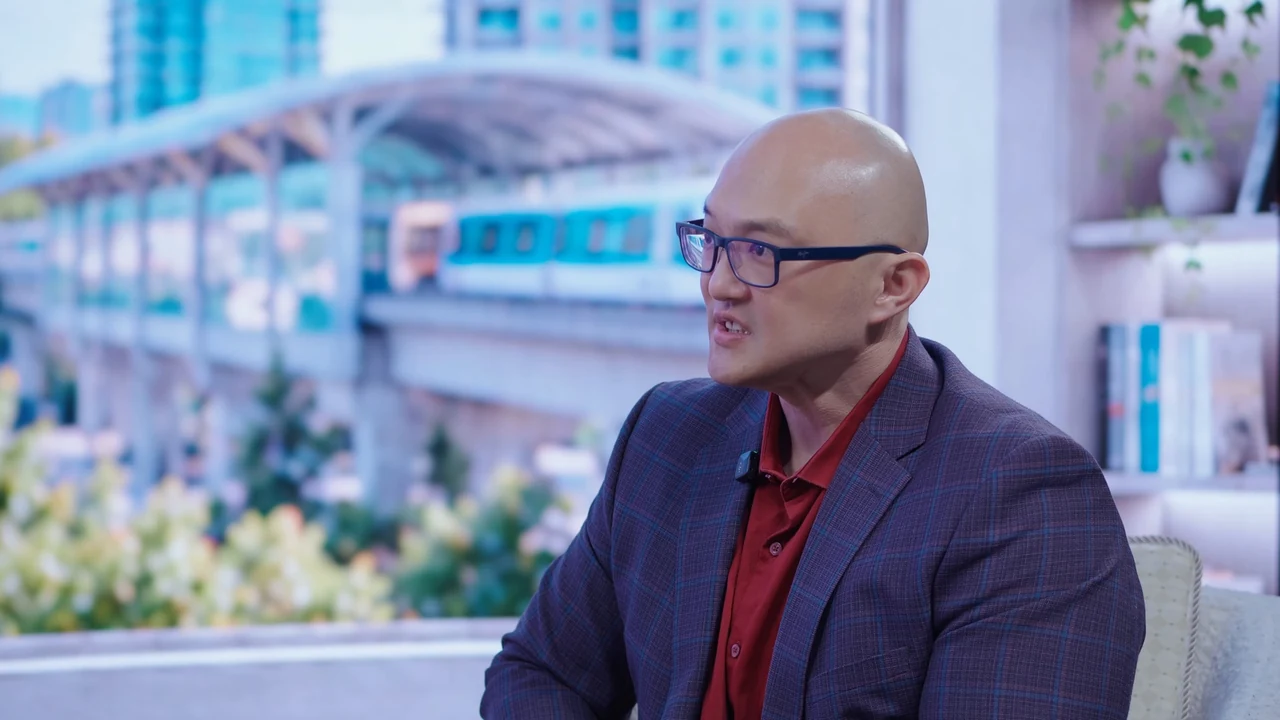
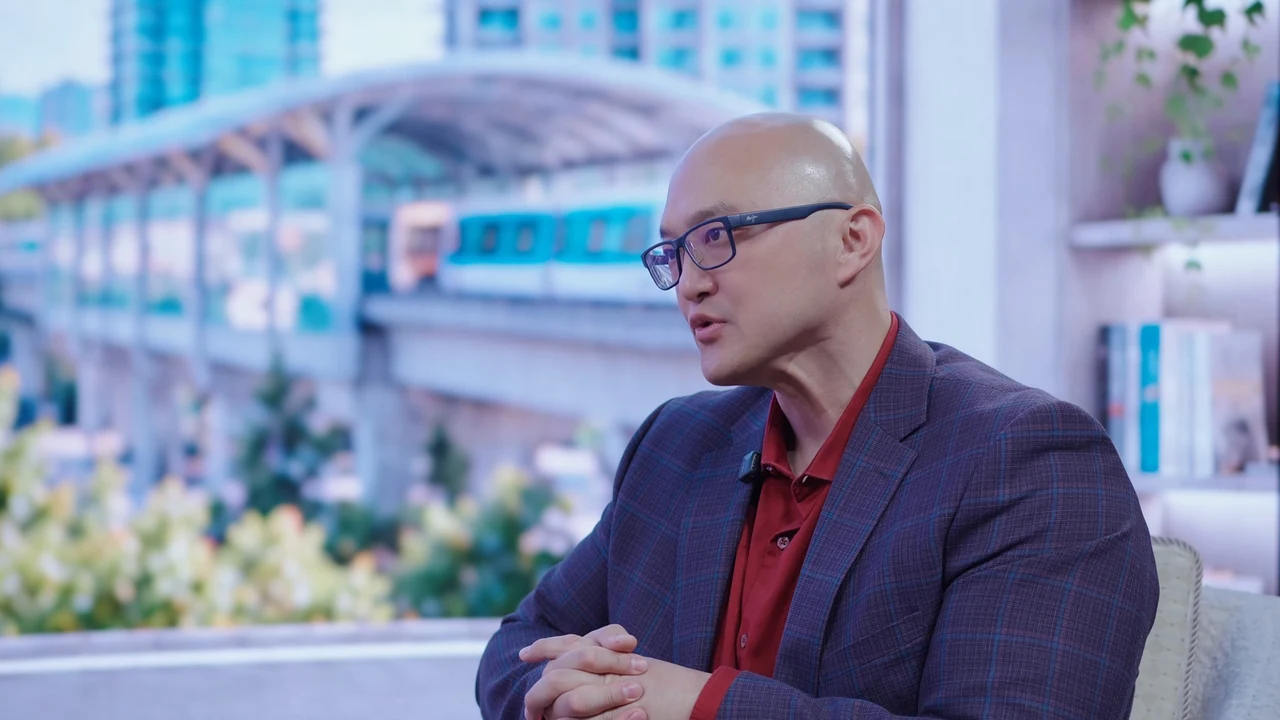
Scenes from the production

These stills come from the supplied interview masters, identifying the guest and host in their programme roles.

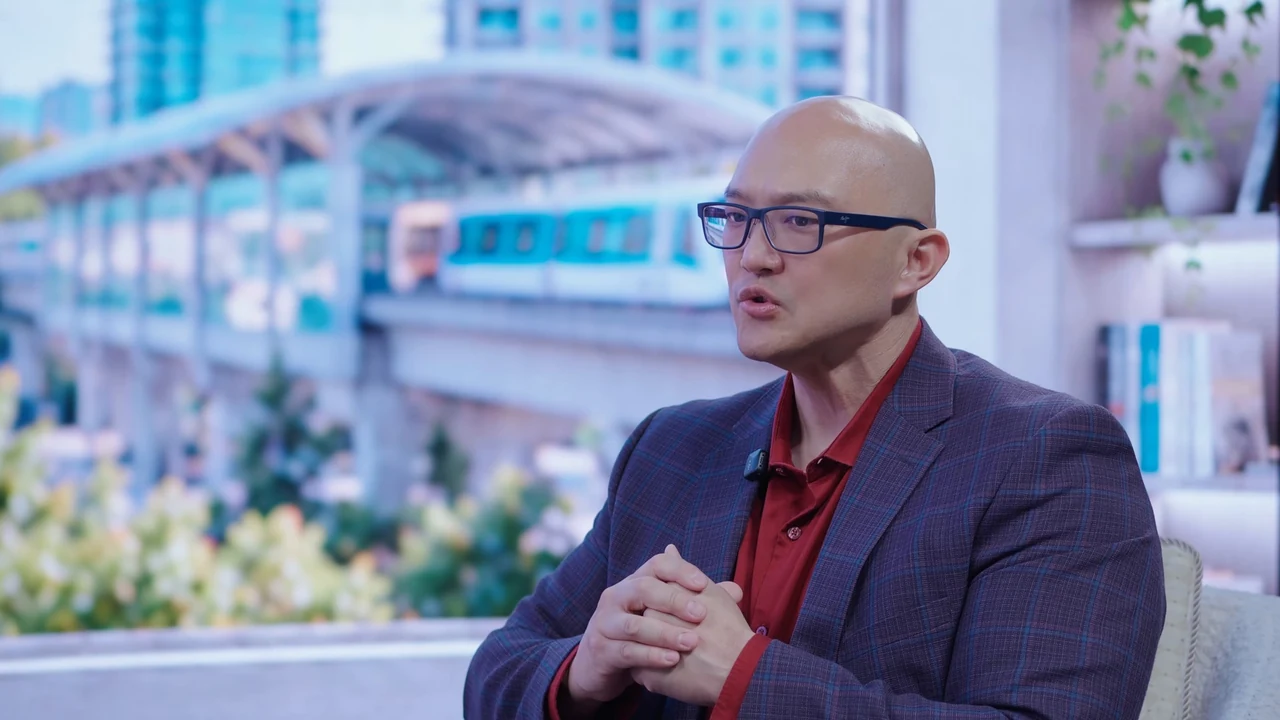
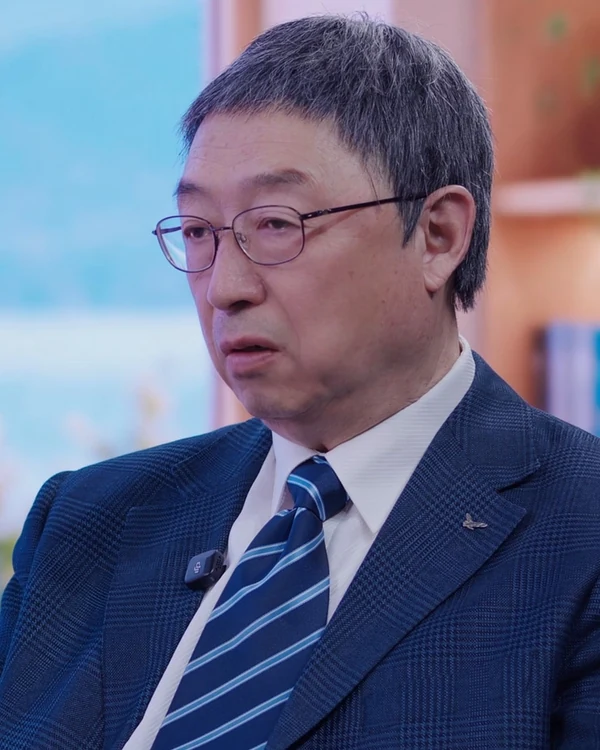
Henry Yao on being diagnosed with lymphoma in his early twenties
Episode 1: His account of illness
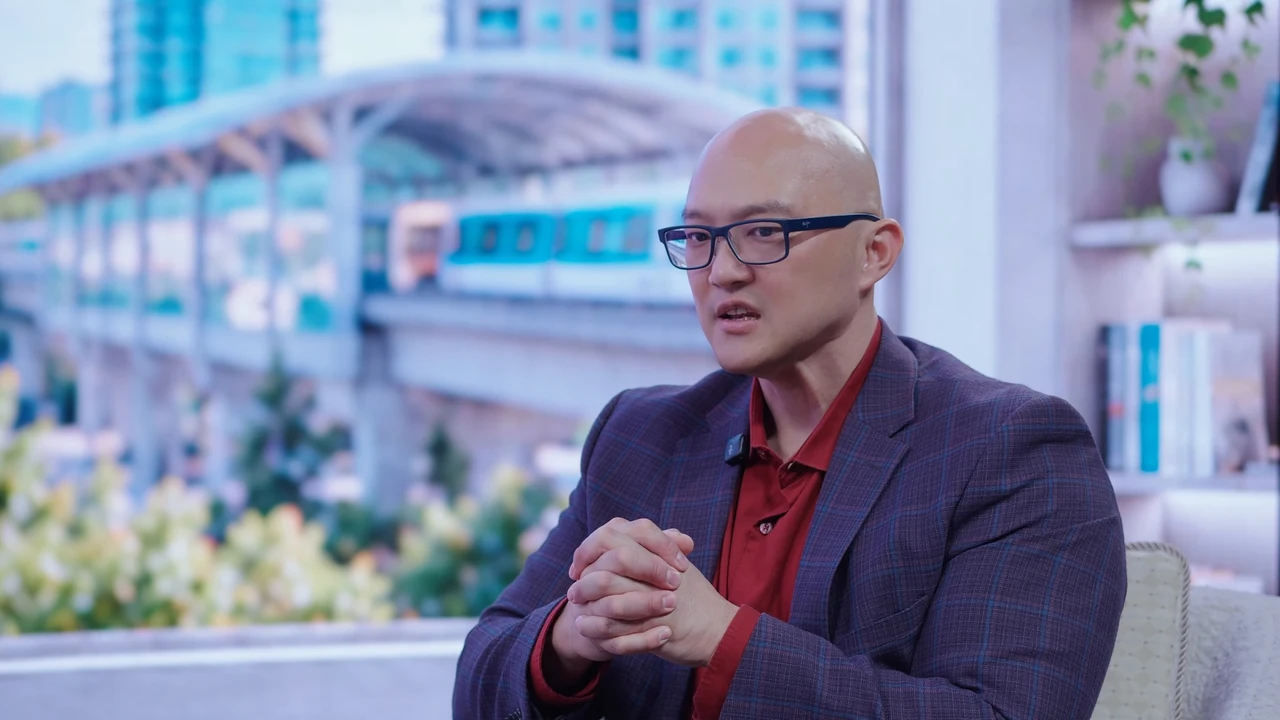
Henry Yao on four years of community work after the 2014 race
Episode 1: His recollection of community work after 2014
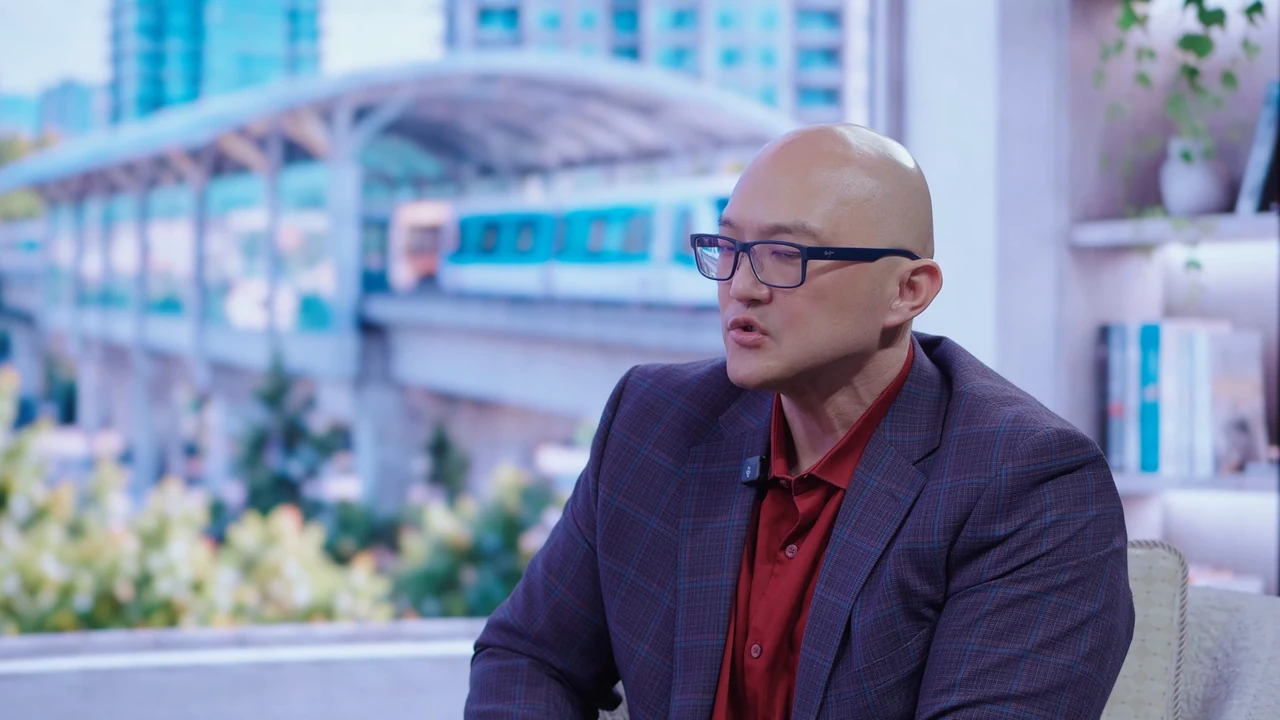
Henry Yao on TCM licensing exams and the KPU degree
Episode 1: TCM exams and education
Henry Yao on rising homelessness
Episode 2: Homelessness
Henry Yao on the deficit and infrastructure
Episode 2: Public finances and infrastructure
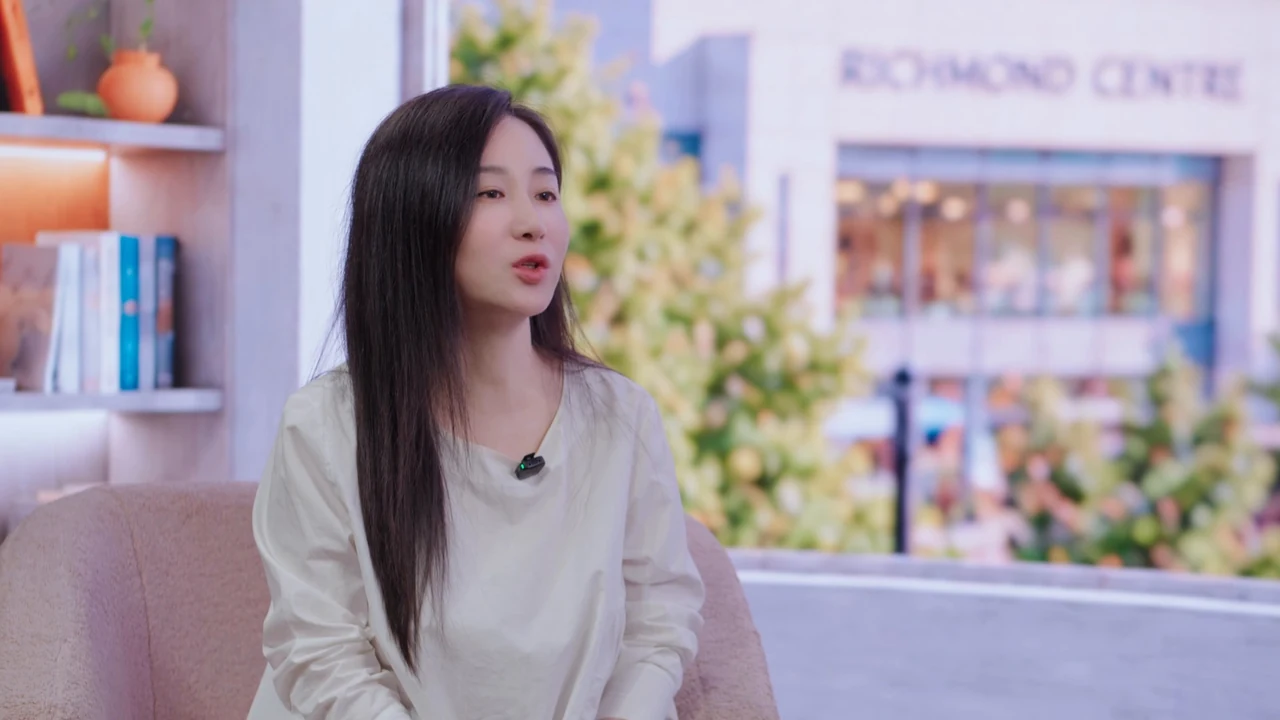
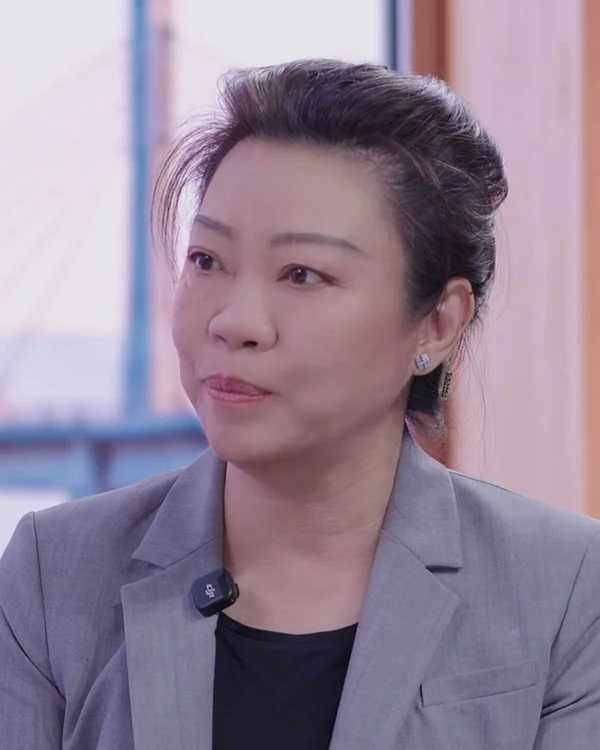
Host Sarah Yu during the Henry Yao interview
Host: Sarah Yu, CEO of Canada Focus Media

About the interviews and election

Who is Henry Yao?

Henry Yao is the BC NDP candidate for Richmond Centre in the 2026 election and was MLA for Richmond South Centre from 2020 to 2024. The current riding and the riding he previously represented have different names and are identified separately here.

What do the personal-history and policy episodes cover?

Episode 1 recalls his account of illness and recovery, youth services, elections, school seismic upgrades and TCM exams. Episode 2 covers water security, disaster readiness, homelessness, the 2024 election, deficits and infrastructure. Specific accounts, figures and policy assessments are attributed to the guest.

What language are the interviews in?

The films have Mandarin audio, with Chinese transcripts, English translations and downloadable captions in both languages. The English page and transcript do not indicate a separate English audio track.

How should the health and policy statements be understood?

The account of illness and treatment is the guest’s personal recollection, not medical advice. Policy proposals and recollections of his work are not independently verified conclusions of this page. This is a paid interview-production portfolio, not a Focus Media endorsement of a candidate or party.

Sources and programme notes

Views expressed are the guest's own and do not represent Canada Focus Media. Focus Media welcomes interviews with candidates of all parties.

The provincial candidate list and voting dates were rechecked on October 20, 2026. Personal accounts, figures and policy assessments retain their original context; consult official sources for current information.

To report a name, translation or link error, contact Focus Media. info@focusmediainc.ca