
FOUNDERS · THE INTERVIEW
Heshu Li (李贺书)
Introduced in the programme as President, HESCA Anti-Aging Center, Canada
Three conversations on his academic journey and his views on longevity, gene ethics, naturopathic medicine and prevention.
Hosted by Sarah Yu, CEO of Focus Media
Watch the interviews ↓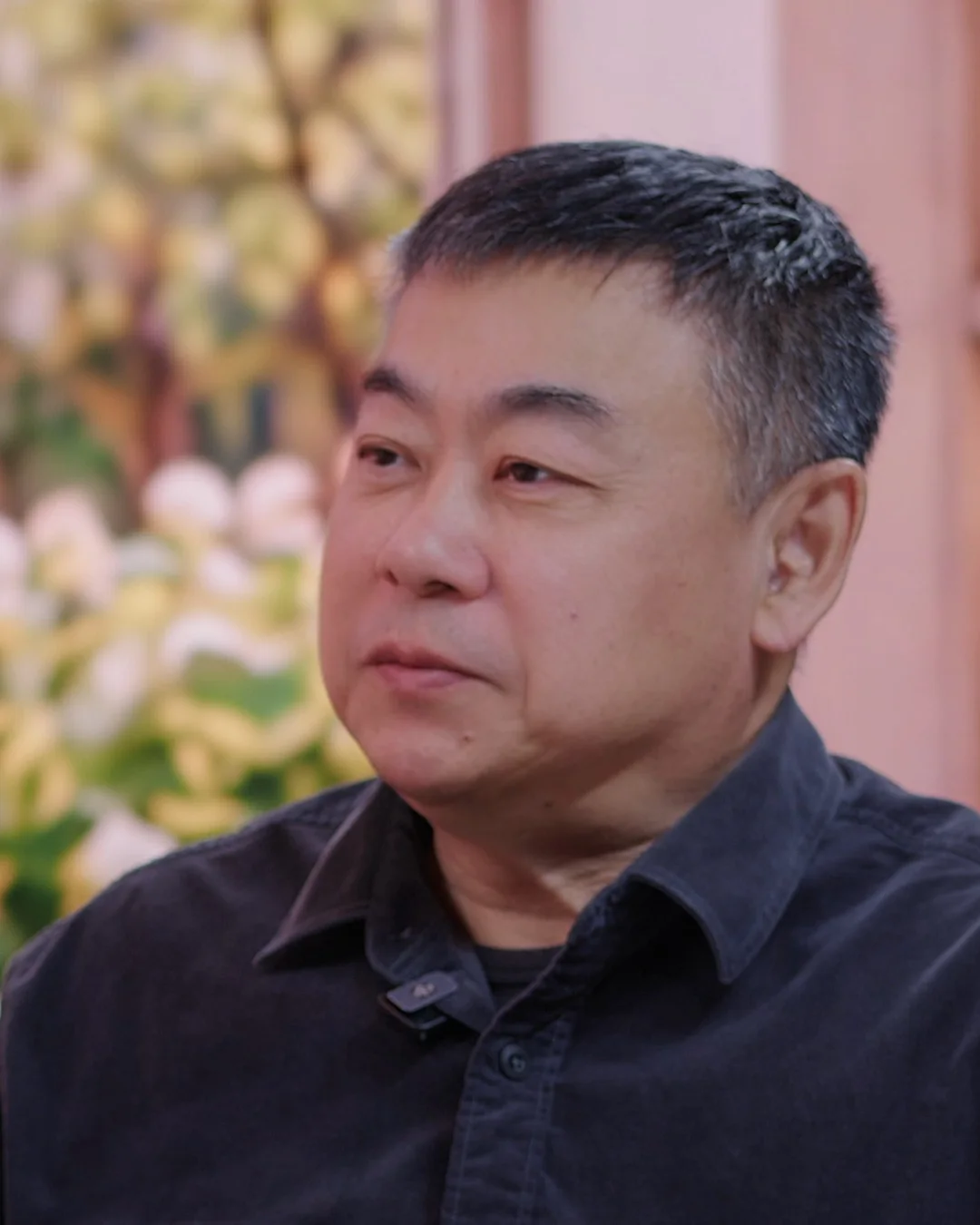
The complete conversations
Choose an episode. Hear it in his own words.
Introduced in the programme as President of the HESCA Anti-Aging Center in Canada, Heshu Li recalls his academic path across three conversations and discusses his views on longevity, aging, gene-editing ethics and naturopathic medicine. Hosted by Focus Media CEO Sarah Yu, the films retain their Mandarin audio with Chinese and English subtitles and transcripts.
HESCA is a brand-design and website client of Canada Focus Media. See the HESCA brand and website case study →
Original Mandarin audio, with Chinese captions and English translations. Transcripts follow the supplied subtitles and do not identify individual speakers. The English transcript is a translation, not an English audio version.
Health-related statements are the guest’s own experience and opinions, not medical advice.
Playing a video connects to YouTube. You can also read the transcripts below without playing. English texts are translations supplied with the production.
Part 1 · 5:04 · 2026-10-26
Longevity, Aging and Genes
Heshu Li recalls his academic and teaching experience in China and building a working platform after moving to Canada. He discusses his understanding of genes, environment, aging and epigenetics, and explains his reservations about the intergenerational ethics of gene editing. Health-related statements are the guest’s own experience and opinions, not medical advice.
Explore the programme chapters
Chapters describe the guest’s discussion, not independent verification of claims or credentials.
Read the English transcript (translation)
Original statements and supplied translations are preserved, not independently fact-checked medical advice.
Heshu Li, President, HESCA Anti-Aging Center, Canada | FOUNDERS Part 1
https://youtu.be/hHJe5ofDJYA
(Transcript from the episode's English subtitles, translated from the Chinese interview; speakers not labelled. Host: Sarah Yu.)
The views expressed are the guest's own experience and opinions and do not constitute medical advice. Please consult a licensed physician about any health concern.

[0:00] Highlights
Nowadays many people say we may live to over 100, and some scientists think 150 or more. How do you see it? getting them to live to 150 or 180, in scientific terms, that's possible. But the biggest ethical issue is: if they can have children, that's trouble. Once the modified genes enter the human genome, No longer certain. In five hundred years, it may no longer be today's human genome.

[0:30] A full professor of immunology at 38
I came over from mainland China. At 38, I became a full professor of immunology in China, and I spent three years as a master's supervisor. Then in 2004, I came to Canada, starting out as a student. Step by step, I worked my way up. and then founded my own platforms.

[0:48] What decides how long we live?
In my view, fundamentally, this comes down to just two things: one is genetic factors, the other is environmental factors. Genetic factors: the genes your parents gave you set limits. We call that genetic limitation. Say the genes your parents gave you only allow you to live to 90. Then, through acquired means, without changing the genes, through natural means, extending your lifespan is, most likely, impossible. That's the genetic factor. Genetic factors take up such a big share? Genetic factors don't account for much. They make up roughly 5% to 8%. Some scientists say around 10% to 12%. So most of it still lies with environmental factors. Environmental factors include your own... Environmental factors include your daily routine, eating habits, work stress, and so on. Basically, everything you come into contact with after you enter society counts as an environmental factor. Just these two factors. The HESCA Anti-Aging Center

[1:50] Two kinds of aging
focuses on just one thing: anti-aging. And anti-aging comes in two kinds: one is physiological anti-aging, the other is pathological anti-aging. The highest ideal for people is to pass away without disease. If someone is always in a sub-health state, that also speeds up their pace toward that disease-free end. We slow that pace down a little. As for physiological aging, physiological anti-aging: when someone is ill, their pace toward death is faster. Our goal is to slow it down a bit, to slow it down with a high quality of life. I don't know if you've heard of

[2:26] What is epigenetics?
a term called epigenetics. As opposed to another kind of genetics, called classical (Mendelian) genetics. Classical genetics is the genetics from Mom and Dad, formed by the sperm and egg they give. That's classical genetics. It's innate. The acquired kind is epigenetics. Meaning what? You use acquired environmental factors to intervene, without touching the diseased genes, and coexist with them. Say, you've heard of people who got cancer in their 30s and still lived to over 100. How did they do it? By relying on epigenetics, on acquired genetics, on acquired environmental factors to intervene, not touching the disease-causing genes, living alongside them, and they can still live a long time.

[3:12] Can gene editing get us to 150?
In the most cutting-edge tech fields, which areas do you think scientists are researching now? In the area of genes. Genes. Gene editing. Because our research today only targets certain diseases. Say, in some diseases certain genes are missing, or certain genes have problems, so you modify them. With a molecular biology method, you modify it: knock it out, or alter it, add something, take something away, add a certain chemical group, or remove a group. It's a molecular biology technique. Now the key, the biggest problem, is this: Studying an individual is no problem. Purely doing research on that one person, getting them to live to 150 or 180, in scientific terms, that's possible. But the biggest ethical issue is: if they can have children, that's trouble. Once the modified genes enter the human genome, No longer certain. In five hundred years, it may no longer be today's human genome. It's like 60 years ago, when tetracycline was discovered. At the time, the whole world rejoiced. But some years later, many people turned up with black teeth. That was humanity... Teeth blackened by tetracycline, right. Tetracycline-stained teeth. Humans harmed themselves. At the time it seemed fine. Now I take that same idea and apply it to today's gene modification. It's the same here. We must weigh the ethical issue. I'm fairly conservative, fairly reserved about gene modification. Of course, I'm not against it. You can modify genes to treat disease. But because technology has to advance... Technology has to advance. You can modify, and do it to treat disease. No problem. But as for the social problems that follow, how do we solve them? That's for sociologists to consider. What people really hope for now is how, in this environment, to extend their lifespan and live longer, living happier and healthier lives.
Read the original Chinese transcript
Original statements and supplied translations are preserved, not independently fact-checked medical advice.
李贺书|加拿大海斯科抗衰老中心总裁|创始人 第一集|余佩珊 Sarah Yu 对话
https://youtu.be/hHJe5ofDJYA
(文字稿据节目字幕整理,未区分说话人;主持:余佩珊 Sarah Yu)
本节目内容为受访者个人经验与观点,不构成医疗建议;有健康问题请咨询持牌医生。

[0:00] 精彩预告
现在可能很多人说
可能会达到一百多岁
还有一些科学家认为是一百五十岁以上
那你是怎么看待的
让他活到150岁一百八十岁这个
从科学道理来讲是可能的
但是最大的伦理问题就是
他如果是有生育能力这就麻烦了
把改造以后的基因传到人类基因组当中
就不确定了
再过五百年可能
就不是现在的人类基因组了

[0:30] 38 岁的免疫学正教授
我是从中国大陆过来的
38岁在中国拿到了
免疫学的正教授在中国做了
三年的硕士生导师
然后在04年就来到加拿大
从读书开始
一步一步地努力
然后创立了自己的工作平台

[0:48] 寿命由什么决定
我个人的观点这个问题的根本原因
就两个一个是遗传因素
一个是环境因素遗传因素
就是父母给的基因所限定了
我们叫遗传受限
比方说父母
给你的基因
只能活到90岁
你说靠后天的
在不改变基因的情况下靠自然的
去延长寿命大概率是不可能的
这是遗传因素
遗传因素占据这么大的比例
遗传因素占不了多大的比例
它能占到5%到8%左右
有的科学家说占到10%左右到12%
这样大部分还是在环境因素上
环境因素包括自身的
环境因素包括这个作息时间
饮食习惯这个工作压力
等等等等反正所有除了
你进入社会以后所能接触到的一切因素
都叫环境因素就这么两个因素
海斯科抗衰老中心呢

[1:50] 衰老分两种
只关注一件事情就是抗衰老
那么抗衰老呢它分两种了
一个是
生理性抗衰老
一个是病理性抗衰老
人们最高境界就是无疾而终
我们让它如果说总是处在
亚健康状态它也会加速它这个
无疾而终的步伐我们让它这个步伐慢一点
那么生理性衰老呢
生理性抗衰老当他有疾病的时候他的
这个向死亡的这个步伐更快
我们的目的是让他慢一点
让他高质量地慢 高质量地慢下来
我不知道大家听不听说过

[2:26] 什么是表观遗传学
一个名词叫表观遗传学
相对来说相对另外一个遗传学
叫生理遗传学生理遗传学
就是爹妈给的遗传学
爹妈给的精子和卵子形成的这个遗传学
叫生理遗传学那是先天的
后天的这个遗传学就表观遗传学
什么意思呢就用后天的
这个环境因素去干预它
不去触碰它的有病的基因和它共生存
比方听说过有些人三十几岁得癌症了
他也活到一百多岁
他怎么做到的呢就是靠着
表观遗传学靠着后天的遗传学
靠着后天的环境因素去干预它
不去触碰这个致病的基因和它共生存
也照样能活得很久

[3:12] 基因编辑能让人活到 150 岁吗
现在就是说最高新科技
这个领域里面您认为现在
这些科学家在研究哪些方面
在基因方面
基因方面
基因编辑方面
因为我们现在的研究呢
它只是针对一些某些疾病
比如某些疾病的某些基因缺失了
某些基因出现问题了给它改造出来
用一个分子生物学的办法
去改造把它敲除或者改造
或者加点什么少点什么加点某个基团
减掉某个基团这是
一个分子生物学的技术
现在关键就是最大的问题就是
人们在研究个体的时候没有问题
单纯就研究就在他身上去研究个体
让他活到150岁一百八十岁这个
从科学道理来讲是可能的
但是最大的伦理问题就是
他如果是有生育能力这就麻烦了
把改造以后的基因传到人类基因组当中
就不确定了
再过五百年可能
就不是现在的人类基因组了
就像过去六十年前人们发现了四环素
那时候人们全世界都欢呼雀跃
可是过了若干年以后
市面上出现了很多黑牙
这就是人类
四环素吃出来的黑牙对
四环素牙这就是人类自己
把自己坑害了当时觉得没问题
我现在把这个理念
拿到现在的基因改造上
这件事上来讲同样是这样
要考虑这个伦理问题
我是比较保守的比较保留意见
对基因改造这块当然我不排斥
可以基因改造为了治病但是就是因为
科技要发展
科技要发展你可以去改造
可以去为了治病这没问题
但是就是后续的这个
社会问题怎么解决
这是一个社会学家所考虑的问题
现在大家其实更希望的是
如何在这样的环境下提升
自己的寿命然后延年益寿
活得更加快乐和健康
Part 2 · 3:34 · 2026-10-26
Understanding Naturopathic Medicine
Heshu Li explains his understanding of naturopathic medicine and its relationship with TCM and Western medicine. He frames the discussion around prevention, health care, diagnosis, treatment and recovery, and considers breakthrough claims in health news. These are his observations, not verification of Canadian licensing rules or treatment outcomes. Health-related statements are the guest’s own experience and opinions, not medical advice.
Explore the programme chapters
Chapters describe the guest’s discussion, not independent verification of claims or credentials.
Read the English transcript (translation)
Original statements and supplied translations are preserved, not independently fact-checked medical advice.
Heshu Li, President, HESCA Anti-Aging Center, Canada | FOUNDERS Part 2
https://youtu.be/idGpMy9wT6Q
(Transcript from the episode's English subtitles, translated from the Chinese interview; speakers not labelled. Host: Sarah Yu.)
The views expressed are the guest's own experience and opinions and do not constitute medical advice. Please consult a licensed physician about any health concern.

[0:00] Highlights
Broadly speaking, Western medicine treats disease; naturopathic medicine treats the person and addresses systemic problems. The essence of naturopathic medicine is that it must not cause secondary harm.

[0:14] Naturopathic medicine is not TCM
Naturopathic medicine as a discipline exists only in the United States and Canada; China doesn't have it. Speaking of naturopathic medicine, what is it? A lot of Chinese people don't really know. Mention naturopathic medicine and they think of Chinese medicine. In fact, it and Chinese medicine are two different things; it includes Chinese medicine. The essence of naturopathic medicine is that it must not cause secondary harm. Say, a bowl of brewed Chinese herbal medicine: you drink it, and your cold is cured, but you've brought heavy metals into your body. That's not naturopathic medicine; it has caused secondary harm. Chinese medicine what? Chinese herbal preparations. You drink them to treat a cold, for example, and the cold is cured, but you've taken in heavy metals. That's a problem. Heavy metals. You've taken in heavy metals, so it's not naturopathic medicine; it has caused secondary harm. So our naturopathic medicine uses very pure methods to intervene in the body and in health.

[1:09] How is it different from Western medicine?
Naturopathic medicine includes many kinds, for example, Mongolian and Tibetan medicine, Indian (Ayurvedic) medicine, Chinese medicine, nutritional medicine, and, very popular with Americans right now, functional medicine. Massage and acupuncture all fall within naturopathic medicine. But there is just one red line: secondary harm. How is it different from Western medicine? Broadly speaking, Western medicine treats disease; naturopathic medicine treats the person and addresses systemic problems. That's the biggest difference. Now, in an emergency, say someone's been in a car crash with their head split open and bleeding. Expecting naturopathic medicine, or acupuncture, to stop the bleeding and solve the problem isn't realistic. Emergencies must be handled by Western medicine.

[1:52] The medical chain
I don't know if you've noticed: a person's whole medical chain is divided into prevention, health care, diagnosis, treatment, and rehabilitation. That's the entire medical chain. In North America, especially the US, American doctors value this medical chain highly. During surgery, too, they advise prevention and health care, addressing those two. Now think about it: the vast majority of our Western-medicine hospitals, across the whole medical chain, focus only on diagnosis and treatment. You're ill, you're diagnosed with instrument tests; a problem shows up, then surgery. Diagnosis, treatment: after diagnosis comes medical intervention. Canada has three branches of medicine

[2:30] Canada's three recognized branches of medicine
recognized by the government: Western medicine, naturopathic medicine, and a Chinese one, TCM and acupuncture. Just now, Dr. Shi, our president, and I were discussing this very issue. We keep arguing this with the government: can we prescribe drugs or not? Today the government says yes, tomorrow it says no. But acupuncture is recognized. The US recognizes it too. But in Canada, only five provinces license naturopathic doctors. Not every province does.

[2:59] Has cancer been conquered?
A while ago I heard on the news that cancer cells had been conquered. What's your take on that? I have reservations about that. Why? Cancer is not easy to conquer, because it has many cancer cells that are very smart, even smarter than humans. There's an element of marketing in this, and quite a large one at that. Given ordinary people's blind spots in knowledge, it's an irresponsible attitude. So I have reservations.
Read the original Chinese transcript
Original statements and supplied translations are preserved, not independently fact-checked medical advice.
李贺书|加拿大海斯科抗衰老中心总裁|创始人 第二集|余佩珊 Sarah Yu 对话
https://youtu.be/idGpMy9wT6Q
(文字稿据节目字幕整理,未区分说话人;主持:余佩珊 Sarah Yu)
本节目内容为受访者个人经验与观点,不构成医疗建议;有健康问题请咨询持牌医生。

[0:00] 精彩预告
从大的来讲西医是治病的
自然医学是治人的是解决系统问题的
自然医学最本质的东西
就是不能引起二次伤害

[0:14] 自然医学不是中医
自然医学这个专业在全世界
只有美国和加拿大有
在中国没有这个专业
说到自然医学
什么是自然医学大家很多
中国人不太知道一说自然医学
就想到中医实际上它跟中医
两回事它自然医学包含中医
自然医学最本质的东西
就是不能引起二次伤害
你比如说一碗熬的中药
你喝了以后感冒治好了
可是你把重金属带到体内了
这不是自然医学这引起二次伤害了
中医什么
中医的药剂中医的药剂
喝进去以后你为了治疗感冒
举个例子治疗感冒把感冒治好了
可是呢把重金属带进来了
这就麻烦了
重金属重金属
把重金属带进来了
这就不是自然医学引起二次伤害了
所以我们的自然医学
是用非常纯净的办法
去干预身体干预健康

[1:09] 它跟西医有什么区别
它这个自然医学包括很多种
你比如说蒙医藏医还有这个印度医学
中国医学营养医学这个美国人现在
非常火热的就是功能医学
按摩针灸统统都是属于
自然医学的范畴但唯一
就一个红线二次伤害
它跟西医有什么区别
西医是呢从大的来讲西医是治病的
自然医学是治人的是解决系统问题的
这是最大的方面那么要是急症的话
比方说这人撞车了
脑袋撞得头破血流的要指望
自然医学去止血呀针灸啊
这止血解决问题这不现实
这必须用西医解决急症

[1:52] 医学链条
我不知道大家有没有关注到
这个人的整个医学链条
是分为预防保健诊断医疗
康复这是整个的医学链条
那么在北美这边尤其是美国人
美国的医生很重视这个医学链条
在手术过程当中他也建议预防保健
解决这两个问题那么你现在想想
我们绝大多数的西医的医院
整个的医学链条当中
它只关注诊断医疗
有病了去诊断做一个仪器检测
诊断出来有问题了手术
诊断医疗诊断完了以后就医疗干预
加拿大呢它有三个医疗分支

[2:30] 加拿大的三个医疗分支
是政府承认的一个西医学
一个自然医学一个中国的
这个中医针灸针灸中医
我刚才跟我们会长
也在谈这个问题
就跟政府总在argue这个问题
我们开药能不能开政府今天
说能开明天说不能开
但是针灸它是承认的在美国它也承认
但是在加拿大呢
只有五个省才有自然医学医师资质证
不是说所有的省都可以的

[2:59] 癌症被攻克了吗
现在就是说已经我前段时间听新闻说
癌细胞已经攻克了这个你是怎么看待
这个我是保留意见
为什么呢
癌症不容易攻破
因为它有很多的
癌细胞非常有智慧比人的智慧还要高
这里面有商业宣传的成分
而且有挺大的商业宣传的成分
对于老百姓的知识盲点
是一个不负责任的态度
所以说我持保留意见
Part 3 · 2:46 · 2026-10-26
Naturopathic Medicine and Anti-Aging
Heshu Li describes HESCA’s stated “inside-out” philosophy, a naturopathic textbook he references, related approaches and his observations of prevention in North America. He also shares his understanding of cell-related technologies. Health-related statements are the guest’s own experience and opinions, not medical advice.
Explore the programme chapters
Chapters describe the guest’s discussion, not independent verification of claims or credentials.
Read the English transcript (translation)
Original statements and supplied translations are preserved, not independently fact-checked medical advice.
Heshu Li, President, HESCA Anti-Aging Center, Canada | FOUNDERS Part 3
https://youtu.be/2OXNiAEN6QQ
(Transcript from the episode's English subtitles, translated from the Chinese interview; speakers not labelled. Host: Sarah Yu.)
The views expressed are the guest's own experience and opinions and do not constitute medical advice. Please consult a licensed physician about any health concern.

[0:00] Highlights
Say, a middle-aged woman who wants to fight aging and stay youthful — how do you approach that? Blood, in fact, is a place where healthy substances, healthy components mix with waste components. If you call it dirty, it's very dirty. The body's waste stays in the blood before it's expelled from the body.

[0:25] Where does anti-aging start?
For women, my advice is to work from the inside out. Our health philosophy, our working philosophy, is to start at the cellular level and fight aging from the inside out. Inside, we deal first with the blood. It's like a room that you clean regularly. Blood, in fact, is a place where healthy substances, healthy components mix with waste components. If you call it dirty, it's very dirty. The body's waste stays in the blood before it's expelled. And on the outside, we suggest using the body's own healing components. Everyone's body has self-healing components, a capacity to heal itself. We extract these self-healing components for skin care and anti-aging.

[1:09] What therapies does naturopathic medicine use?
Naturopathic medicine has many therapies. There's a naturopathic textbook called Clinical Naturopathic Medicine, over 1,700 pages long. It covers a great many therapies, and from it I chose nearly 11 — about 10. The naturopathic therapies include ozone therapy, detox therapy, mitochondrial therapy and homeopathy. We also have an integrative anti-cancer therapy, an integrative anti-aging therapy, and hormone therapy.

[1:35] What is CAR-T?
It only works once it's in a cell. Usually stem cells or immune cells? Either immune cells or stem cells. For example, what the Americans do now with CAR-T cells: they take the cancer patient's immune cells out, and change their DNA, change the genome. After that, they're infused back to treat the cancer.

[1:53] How does North America do prevention?
So where does prevention show up in America? Prevention — the most common example: supplements sold on every street. Supplements. The most basic form. China sells them too. Yes, China sells them too. In recent years China has been selling supplements; people are more aware now. Canadian family doctors actually screen you regularly and book your appointments. That part should count as fairly well developed in terms of prevention. In Canada, the family doctor system is part of Western medicine, so it doesn't cover naturopathic medicine. But some doctors, some family doctors, depending on the situation, will recommend some of these naturopathic therapies. I see. Wonderful. After talking with you today, I feel I've learned a lot about medicine.
Read the original Chinese transcript
Original statements and supplied translations are preserved, not independently fact-checked medical advice.
李贺书|加拿大海斯科抗衰老中心总裁|创始人 第三集|余佩珊 Sarah Yu 对话
https://youtu.be/2OXNiAEN6QQ
(文字稿据节目字幕整理,未区分说话人;主持:余佩珊 Sarah Yu)
本节目内容为受访者个人经验与观点,不构成医疗建议;有健康问题请咨询持牌医生。

[0:00] 精彩预告
比如说像一位中年女性
她想要抗衰老想要年轻态
你们是怎么做的呢
实际上血液呢
它是一个
健康的物质健康的成分
和这个垃圾成分交融的地方
要说它脏是非常脏
体内的垃圾都留在血液当中
然后再排到体外

[0:25] 抗衰老从哪里下手
针对女性我给她们的建议是从里到外
我们的健康理念我们的工作理念
就是从细胞层面
由里及外地进行抗衰老
从里面要解决尤其解决血液问题
就像房间似的
你经常清扫实际上血液呢
它是一个
健康的物质健康的成分
和这个垃圾成分交融的地方
要说它脏是非常脏
体内的垃圾都留在血液当中
然后再排到体外 然后从外部呢
我们建议他用自身的自愈的成分
人体都有自愈的成分
自愈的能力把这个自愈的
成分给提出来进行去美容
去抗衰

[1:09] 自然医学有哪些疗法
自然医学很多项目有一本自然医学
叫Clinical Naturopathic
Medicine这本书1700多页
它里面的项目特别多
我从中挑选了将近11种
10种吧
自然医学的疗法有臭氧疗法排毒疗法
还有线粒体疗法还有顺势疗法
我们还有抗癌综合疗法
抗衰老综合疗法
激素疗法

[1:35] CAR-T 是怎么回事
放在细胞上才能发挥作用
通常是干细胞还是免疫细胞
免疫细胞干细胞都可以
比如现在美国人做的
这个CAR-T细胞它
就是把这个癌症病人的
免疫细胞提出来把他的
这个DNA组给他改变了
这个基因组改变了改变以后
再回输再去治疗他这个癌症

[1:53] 北美怎么做预防保健
那美国的预防保健
是体现在哪些领域呢
预防保健比较普遍的
满大街都是卖这个保健品
保健品
最朴素的
那中国也在卖
对中国也在卖
中国近几年在卖这个保健品
人们的意识上来了
加拿大家庭医生实际上是
定期帮助你去筛查 帮助你去预约
这块应该算是比较健全的
在预防保健方面
在加拿大既然家庭医生
这个体系它也算是西医的体系
它也涉及不到自然医学这块
但有的医生有的家庭医生
他会针对不同的情况吧他会建议做
这些自然医学的一些什么疗法
了解了特别好今天跟您交流这么多
我觉得学到很多的医学知识
A few threads to follow through the conversation.
Beginning with his academic journey
In Part 1, Li says he worked in immunology research and teaching in China, supervised master’s students, and came to Canada in 2004. He recalls returning to study and gradually building his own working platform. This is his personal account in the programme.
Technological possibilities and ethical limits
He begins the longevity discussion with genes and environment. Beyond the question of how long one person might live, he focuses on the potential effects of gene editing across generations and explains his caution. The programme records his reasoning without presenting predictions as achieved results.
How he understands his work
Parts 2 and 3 explore his perspective on naturopathic medicine, anti-aging and prevention. He connects prevention, health care, diagnosis, treatment and recovery, and discusses promotional claims in health news. The films and transcripts let you follow how he arrived at these views.
From the films
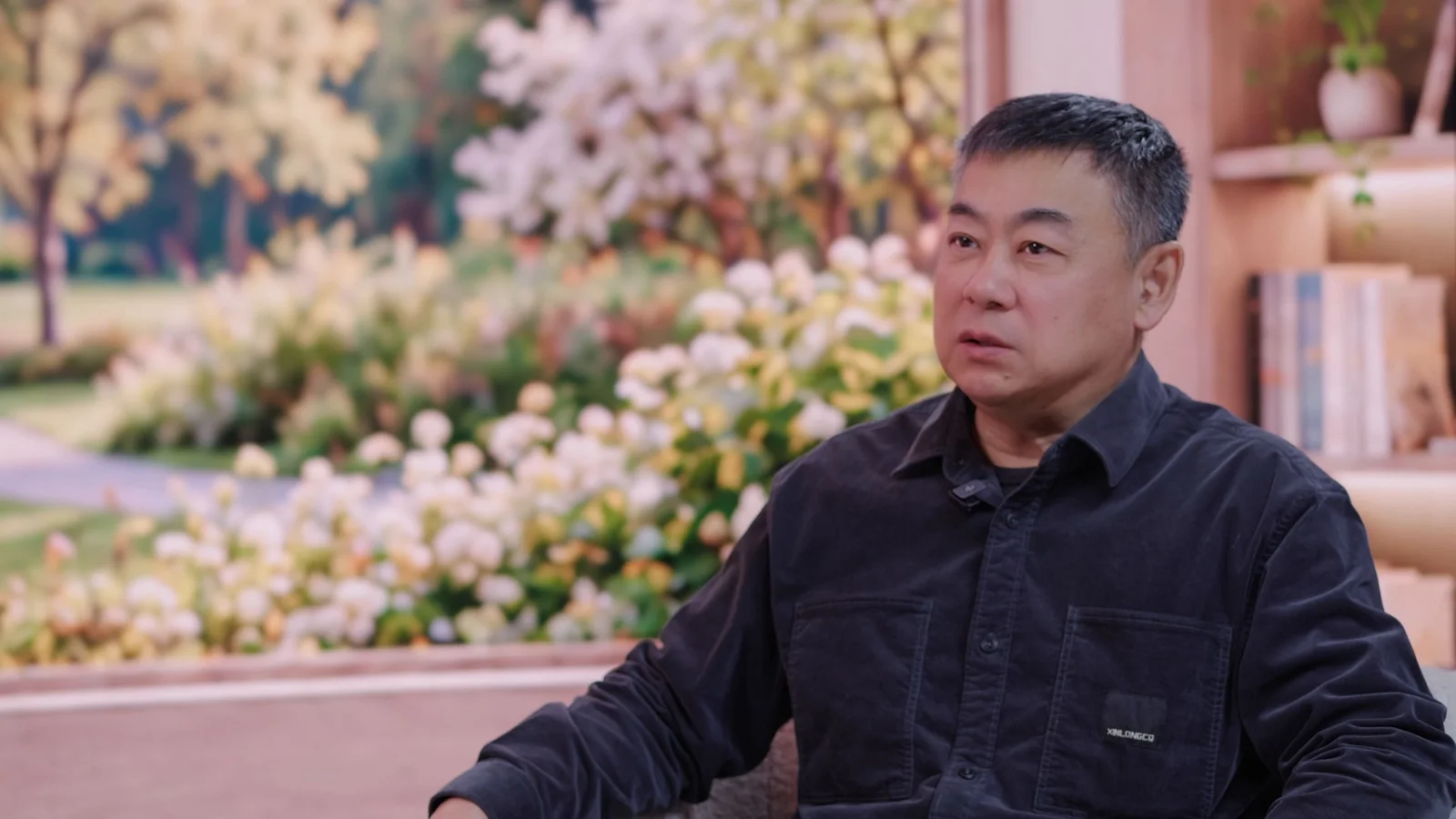
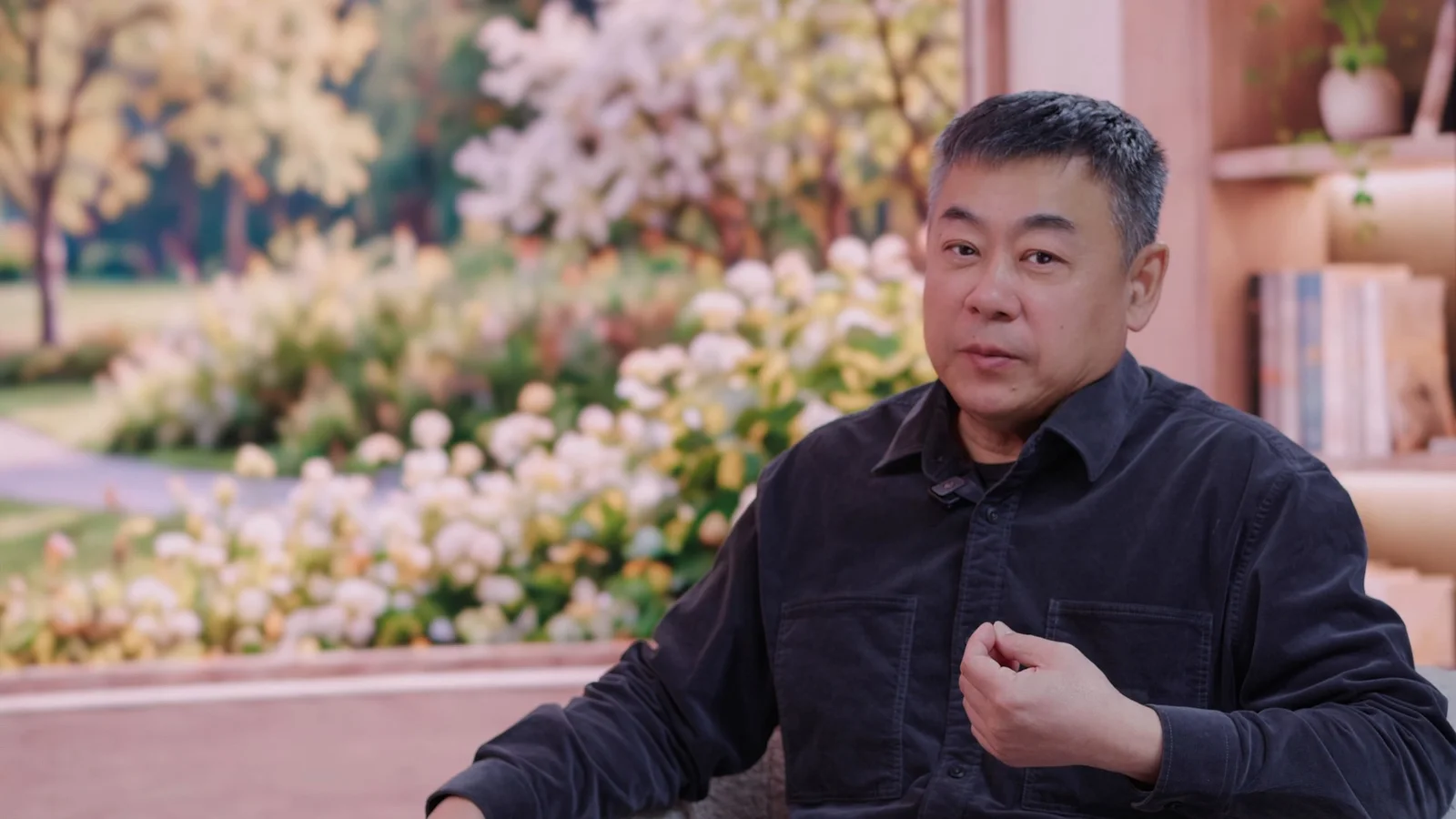
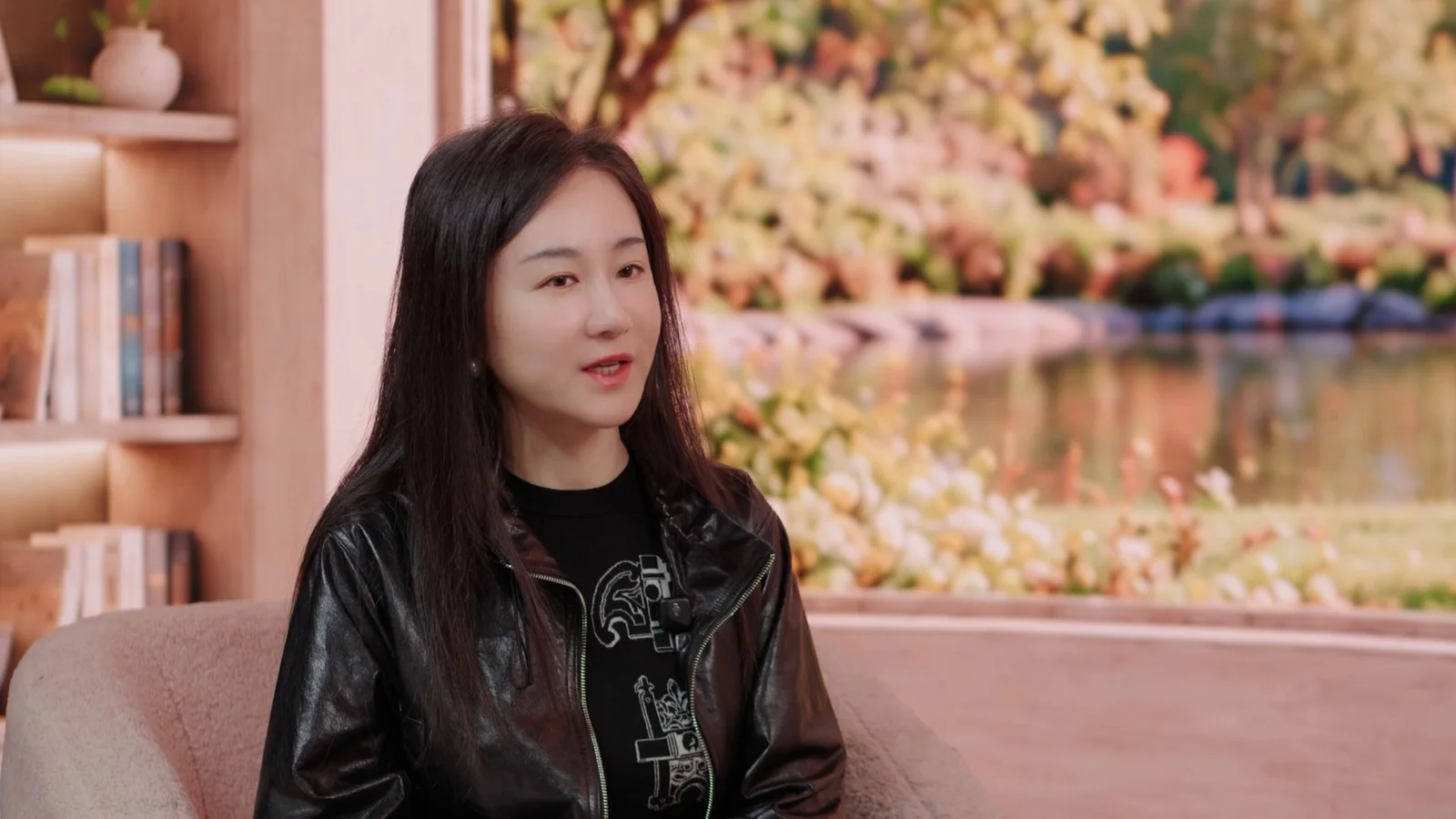
The people, expressions and moments.
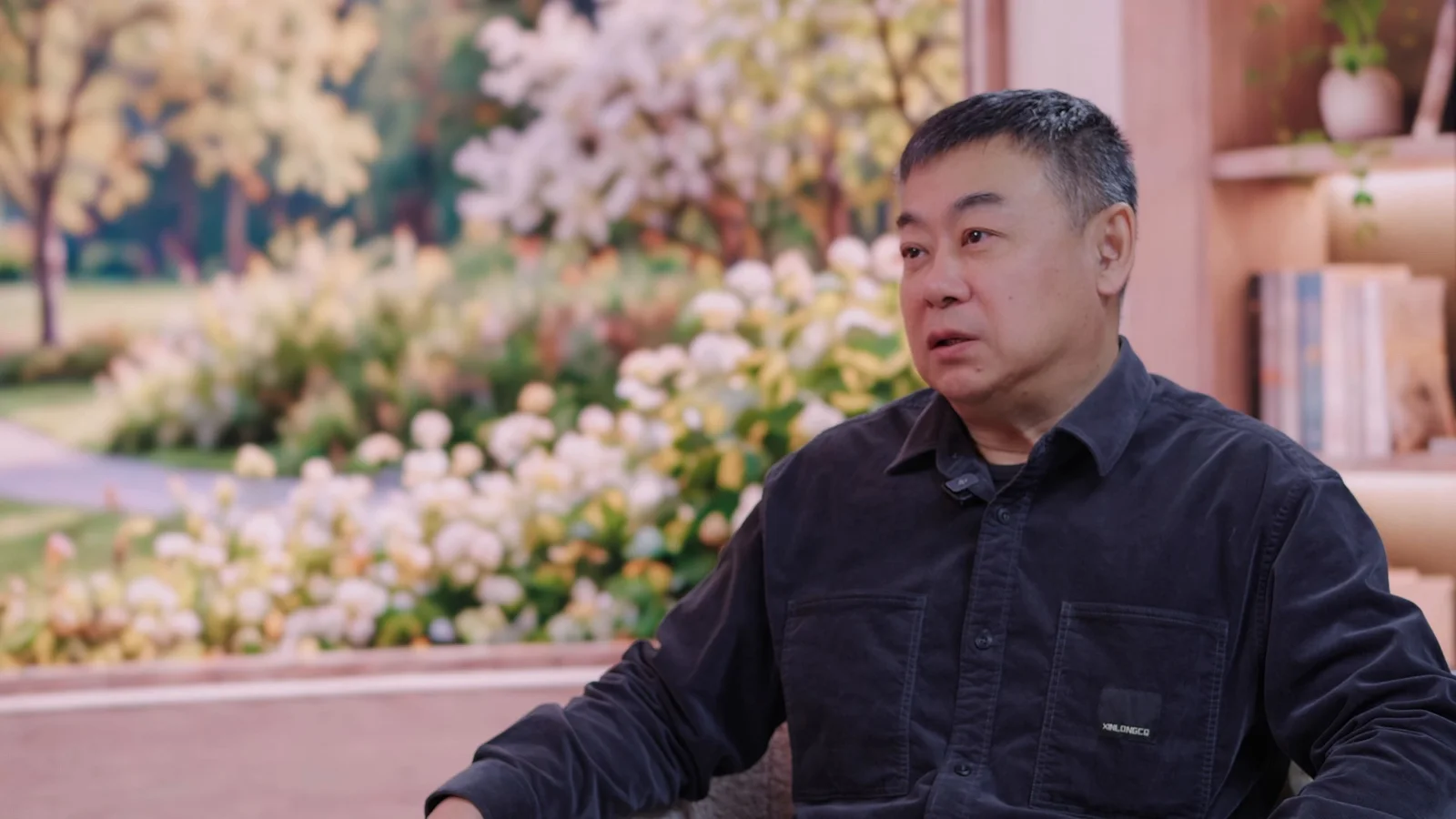
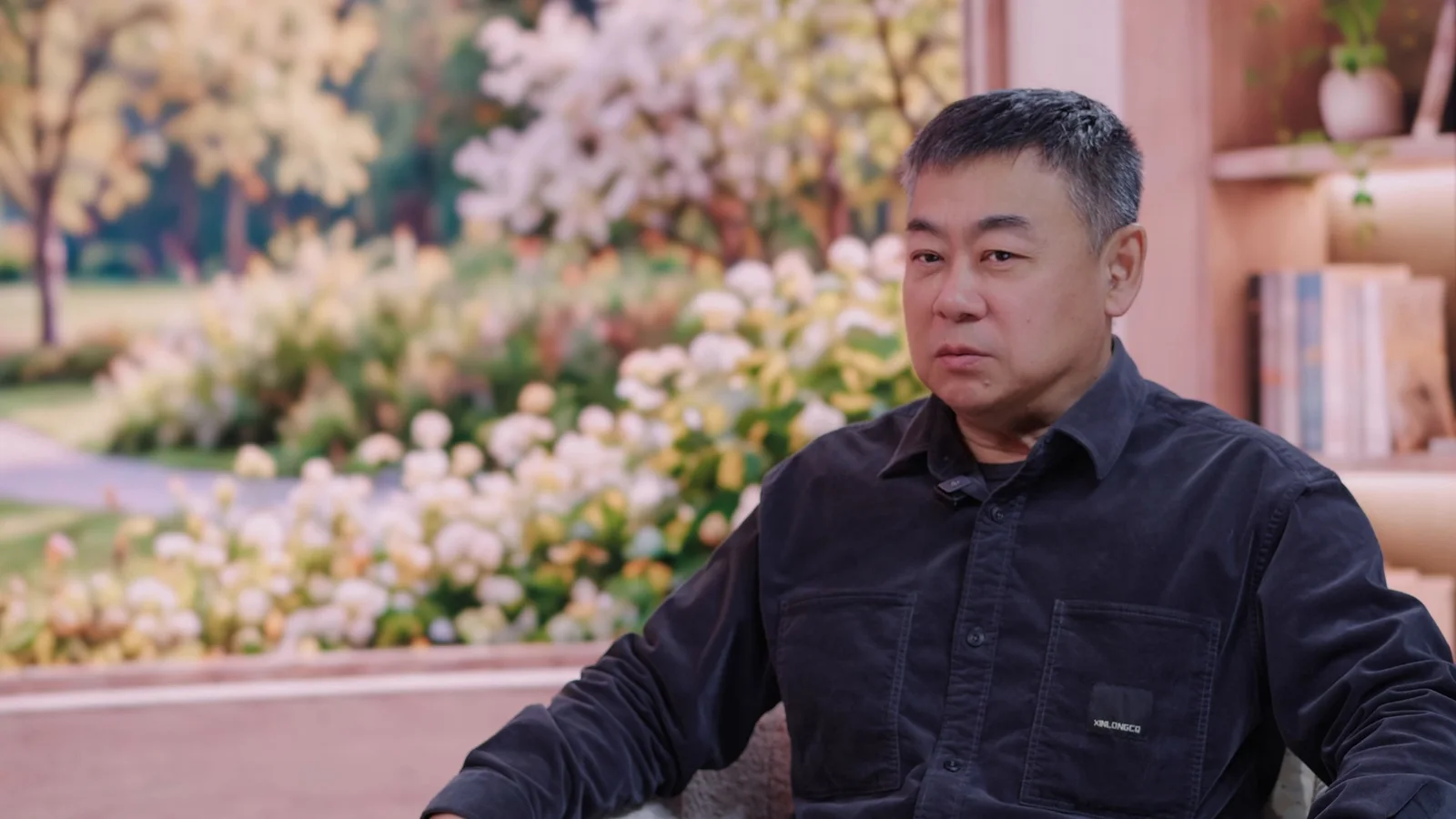
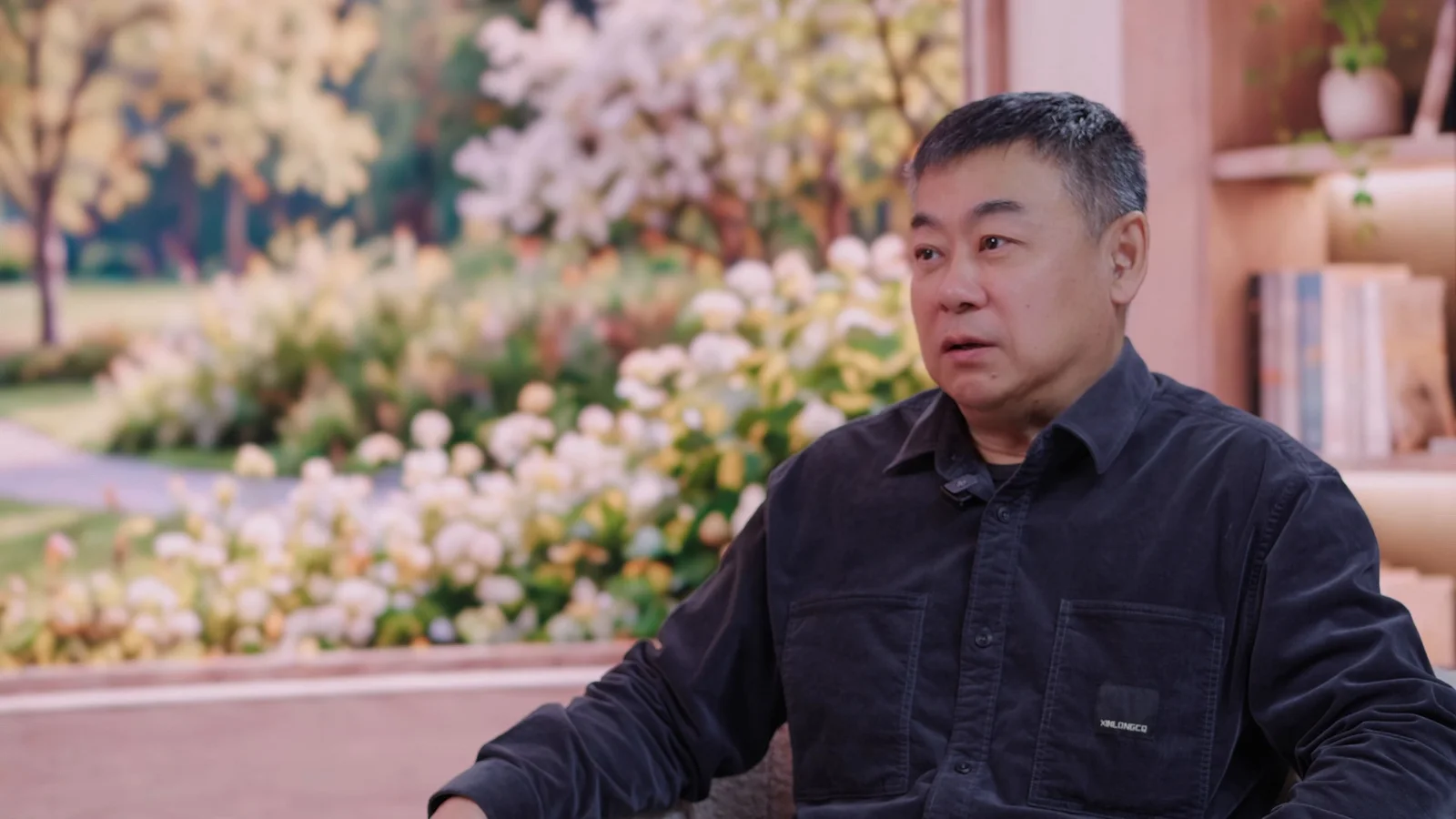
About the guest and the programme
Who is Heshu Li (李贺书)?
The programme introduces Heshu Li as President of the HESCA Anti-Aging Center in Canada. He says he worked in immunology research and teaching in China, supervised master’s students and moved to Canada in 2004. These are his stated experiences, not verification of Canadian medical licensing or practice credentials.
What do the three episodes cover?
Part 1, “Longevity, Aging and Genes,” records his views on inheritance, environment and gene-editing ethics. Part 2, “Understanding Naturopathic Medicine,” explores how he understands different medical traditions. Part 3, “Naturopathic Medicine and Anti-Aging,” covers his working philosophy and observations of prevention in North America.
What concerns does he raise about gene editing?
In Part 1 he distinguishes research on an individual from ethical questions about future generations. He voices concern about unpredictable consequences when changes are inherited. This is his judgment, not this page’s independent assessment of gene-editing risks or outcomes.
What is the relationship between Focus Media and HESCA?
HESCA is a brand-design and website client of Canada Focus Media. The related work appears in the HESCA brand and website case study on this site. That client relationship is disclosed separately from the guest’s views and is not an endorsement of medical claims.
Is the programme medical advice?
No. Health-related content reflects the guest’s own experience and opinions. Focus Media has not independently verified the medical explanations or claimed effects in the programme. Do not use it to choose therapies or change existing care; consult a licensed health professional about health concerns.
What languages are available?
The original films are in Mandarin, with Chinese captions and English translations. Both transcripts and TXT/SRT downloads are available on this page. Transcripts follow the subtitles without identifying individual speakers. An English page or transcript does not mean English-dubbed audio is available.
This page is based on programmes, subtitles and production materials supplied by Focus Media. Editorial summaries are separate from the original films and transcripts. Preserving a statement in a transcript does not independently verify an academic history, statistic, medical explanation or claimed effect. Chapter navigation follows the programme, with limited English wording corrections for this page.
The guests’ views on longevity, anti-aging, naturopathic medicine and Traditional Chinese Medicine are personal experience and opinion, not medical advice or a guarantee of results. This page does not recommend changing existing care on the basis of the programme. Please consult a licensed health professional about any health concern. Views expressed do not represent Canada Focus Media.
Website editorial date:
Turn your experience into a meaningful conversation.
Focus Media plans, hosts, films and edits interviews, with content prepared for your chosen platforms. Your story, audience and programme goals shape the format.
Plan my interview →