
Many companies have purchased AI software, opened several accounts and delivered staff training. Months later, the most common uses are still drafting emails, summarizing meetings and researching public information. Customer response, sales follow-up, content approval and internal handoffs work much as they did before.
That does not mean the team is resistant to innovation. More often, the company has completed tool procurement without completing work design. Without a defined trigger, context, acceptance standard, owner and exception path, even a capable model stays at the demonstration stage.
Business AI transformation begins when one real process changes
Survey evidence summarized in the Stanford AI Index 2026 shows broad experimentation with AI and much less widespread scaling of agent systems. Self-reported survey data does not represent every company or prove that AI automatically creates returns. It does reveal an important adoption gap: using AI somewhere and placing it inside a stable business process are different stages.
OpenAI’s State of Enterprise AI 2025 identifies connectors, standardized workflows, data preparation, evaluation, governance, training and change management among the practices used by more advanced adopters. The report reflects OpenAI enterprise customers and survey respondents, so it indicates direction rather than calculating the return for your business.
For an owner, the useful test is practical: Has a real task been redesigned? Can the team review the output? Can exceptions reach a person? Can the process keep running?
Examine the task before comparing product lists
Write the proposed work as a real chain. What triggers it? What information is required? Who makes a decision? Where does the output go? What counts as complete? What happens when it is wrong?
Then ask five questions.
1. Is the task frequent and repetitive?
Work that happens every week and follows relatively stable rules has more opportunity to accumulate value. A rare, entirely different and high-risk decision may still belong directly with a specialist.
2. Can the result be checked?
“Improve efficiency” is too vague. Observable outcomes include response time, human minutes, error rate, rework, booking completion, customer wait and missed inquiries.
3. Is the cost of an error manageable?
Begin where a process can stop, roll back and ask for human confirmation. Medical, legal, financial and employment decisions — or work involving substantial sensitive data — require tighter permissions, records and professional oversight.
4. Are the required data and permissions clear?
The system needs an approved knowledge boundary for its answers and an explicit tool boundary for its actions. Least privilege, revocable access and data limits should be decided before deployment.
5. Who remains accountable for the outcome?
A system can recommend, organize and perform selected steps. A business owner still defines the standard, approves high-risk actions, handles exceptions and reviews failures.
When these five questions have clear answers, the first phase is ready to design.
Three reasonable choices: Chat, workflow or agent
A standard Chat tool is enough
One-off brainstorming, revising non-sensitive writing and summarizing public material rarely need a complex deployment. Clear instructions and human review may already produce the appropriate value.
Build a repeatable AI workflow
When work repeats weekly, follows stable steps and needs consistent inputs, templates and acceptance checks, connect the prompt, source material, approval and output. One expert interview, for example, can become an article, short-video scripts, FAQs and platform adaptations before an editor reviews publication.
Deploy a business agent
An agent becomes useful when the task needs to receive events, consult company knowledge, connect to a CRM or booking system, retain state, call tools and hand exceptions to people.
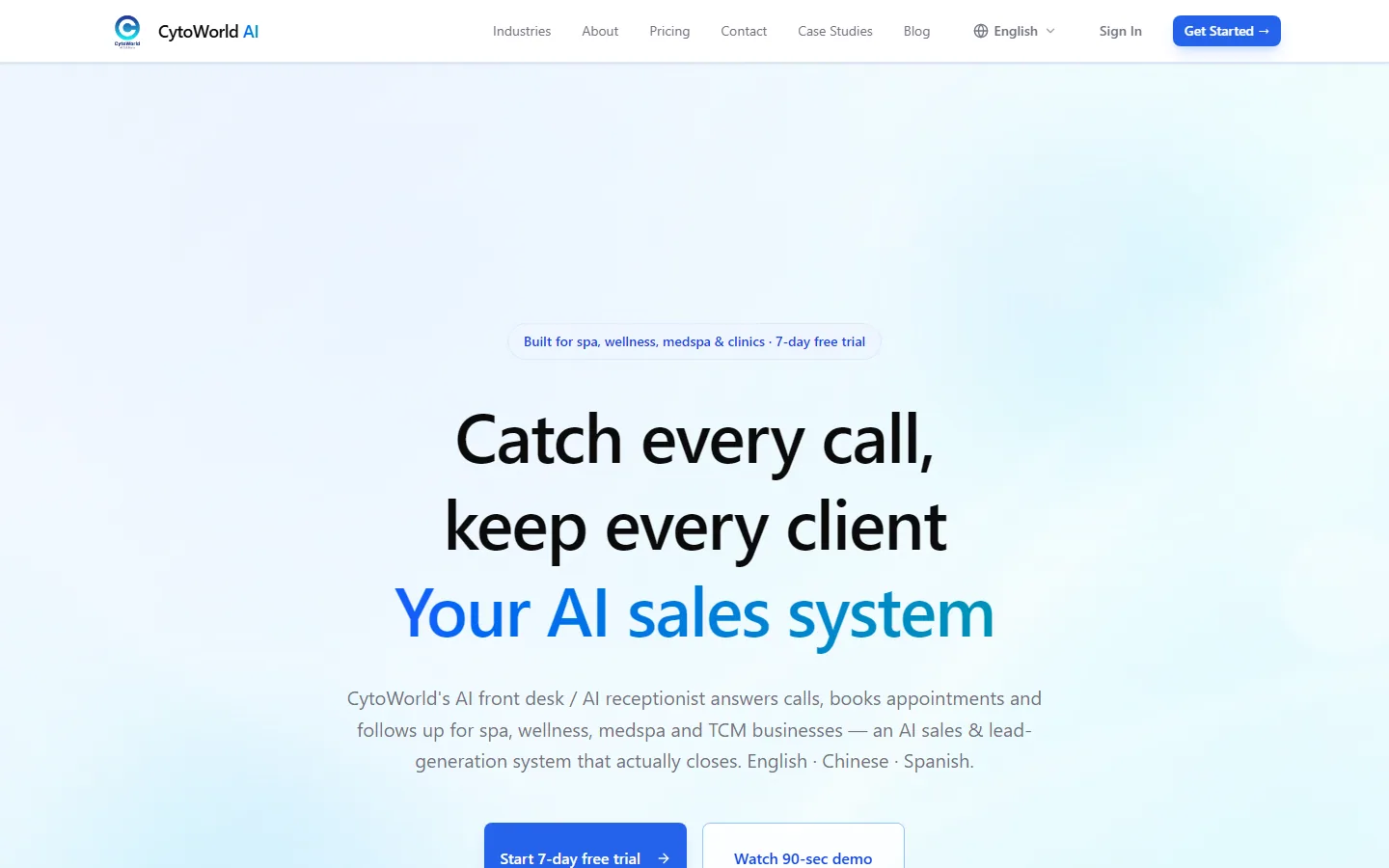
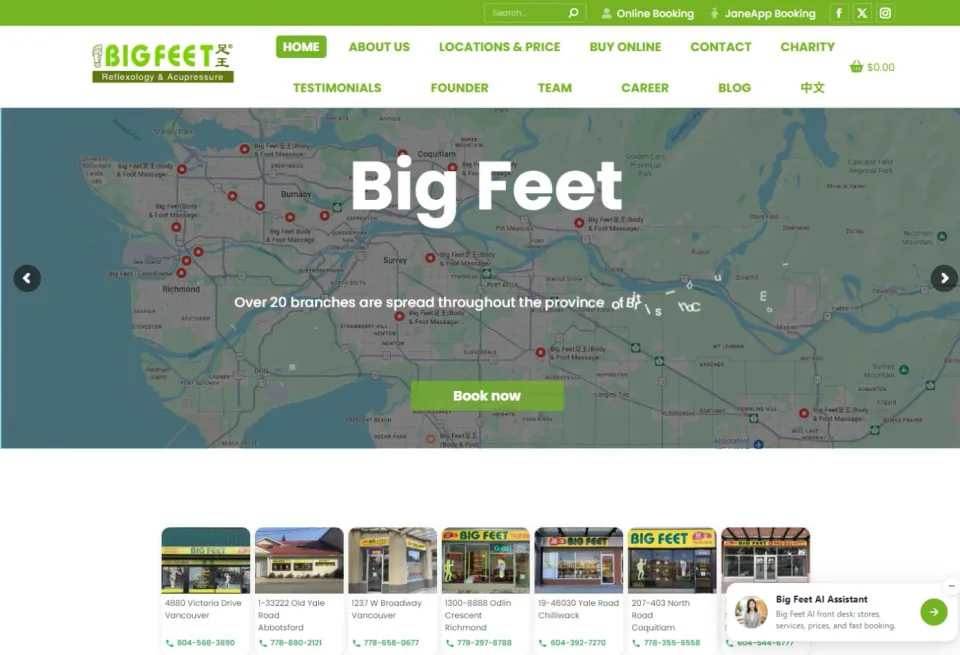
AI customer response is a concrete example. A system can answer approved questions promptly, collect contact details and needs, offer appointment times, send reminders and create a customer record. Price exceptions, complaints, sensitive questions and complex judgement go to an accountable person. Focus Media connects that workflow through business AI automation and sales agents and the AI Sales System.
Six defined parts move a demonstration into daily work
- Trigger: Which phone call, form, chat, email or internal event starts the process?
- Context: Which knowledge, customer data, history and business rules may the system access?
- Action: How far may it answer, classify, record, book, remind or draft?
- Acceptance: What accuracy, format and timing are required, and when must a person approve?
- Exception: How does the system stop and escalate when information is unknown, conflicting, sensitive or outside scope?
- Accountability: Who maintains knowledge, reviews records, approves changes and owns the business outcome?
The NIST Generative AI Profile emphasizes governing, measuring and managing risk. For a small or mid-sized business, that becomes permissions, testing, records, human review and an exit path designed into the workflow before launch.
What should the first phase measure?
Record a baseline before deployment: human time per task, customer wait, common errors, rework and the number of exceptions a responsible person handles each week.
Use the same definitions after launch:
- Is the time saving net, or has work merely moved to another employee?
- Is quality stable, and have errors or rework increased?
- Have customer wait, missed inquiries, bookings or follow-up improved?
- Does the team keep using the process, or work around it and return to the old method?
- Do exceptions reach people promptly and leave records that can be reviewed?
A polished demonstration is not a business result. Sustained operation, observable performance and controlled correction justify expansion to another workflow.
Create the first real improvement with minimal disruption
Write down one task the team repeats every week that also requires frequent human handoffs. Use the five questions to decide whether a Chat tool is sufficient, a standardized workflow is appropriate, or a business agent needs to connect knowledge, permissions and systems.
If the decision is still unclear, book Focus Media’s complimentary AI lead-generation growth assessment. We will examine the business objective, labour cost, validation difficulty and risk to identify a lower-cost, executable first step.