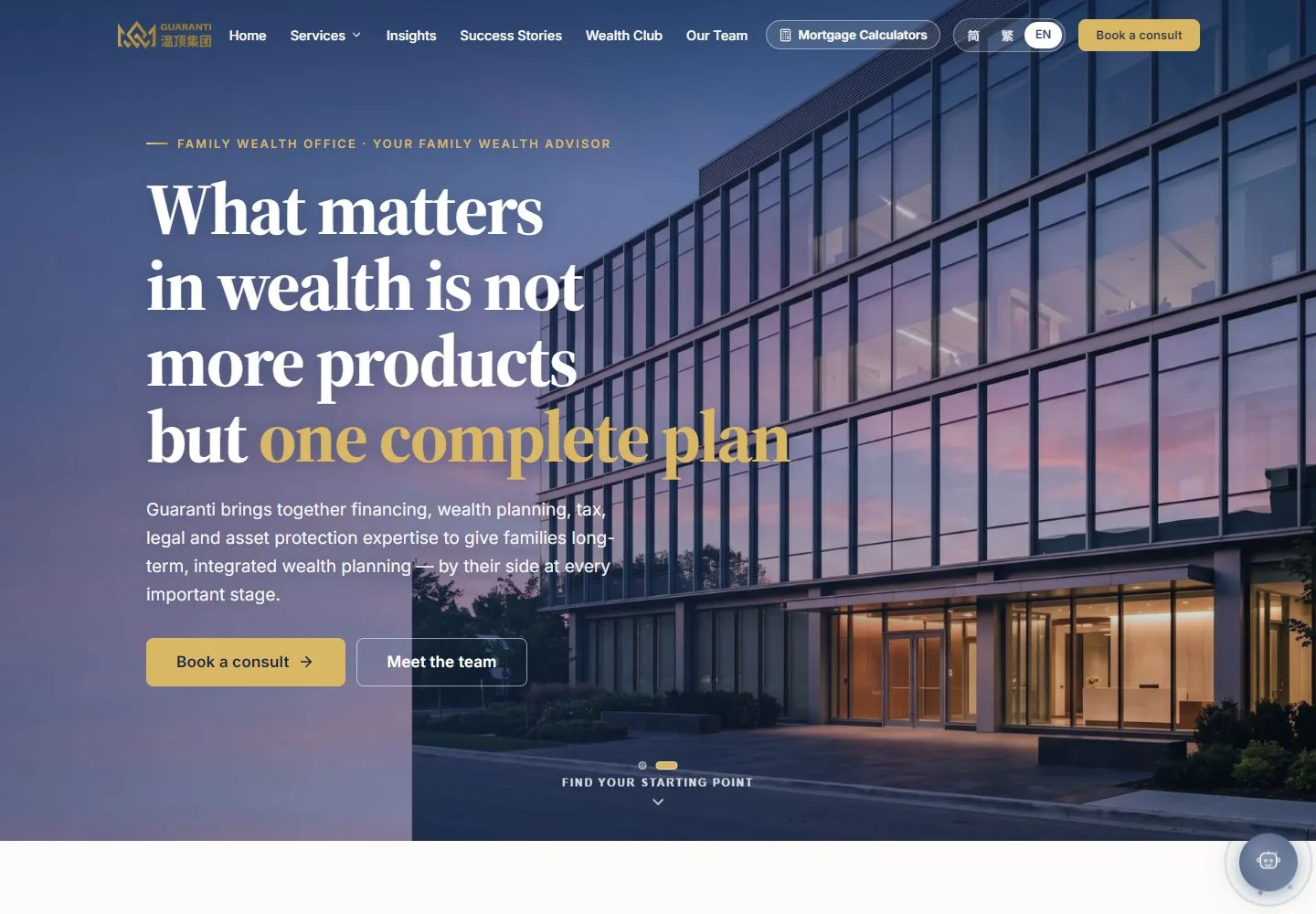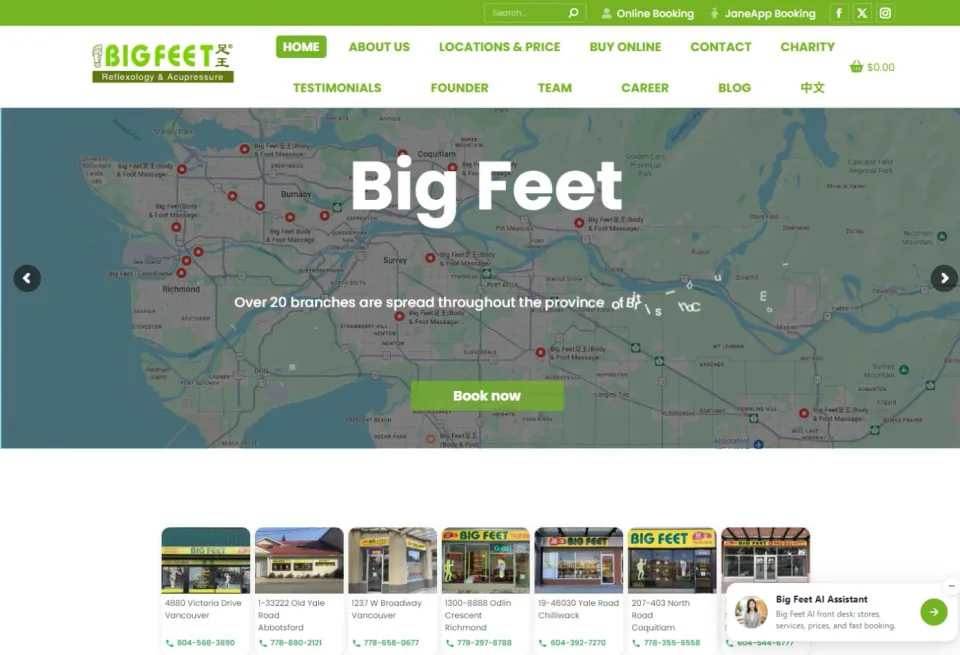


Last night, a potential customer watched one of your videos. This morning, they searched the problem on Google. At lunch, they asked an AI assistant to compare several providers. Two days later, they sent one of the links to a business partner. By the time they finally opened your website, they already had questions, impressions and criteria for comparison.
A journey like that looks like leakage when a company expects a straight line from ad to page to form to sale. The buyer is still making progress. They are simply doing it in their own order.
The funnel can measure results. Customers do not queue to move through it.
A marketing funnel remains a useful management view. It can show how many people saw a message, made an inquiry, booked and paid. It can reveal a weak stage and help a team compare budget with conversion.
Real decision-making is more fluid. Google commissioned The Behavioural Architects to study what it calls the “messy middle” of purchase behaviour. The research describes two recurring modes before purchase:
- Exploration: seeking more information, options and possibilities;
- Evaluation: narrowing the field and comparing price, risk, evidence and fit.
People move between the two. A new video can reopen exploration. A credible review can narrow the choice. A vague service page can send someone back to the search results.
The Google report includes simulated shopping experiments. It is useful for understanding decision mechanisms, but it does not establish a universal number of touchpoints for every local service, B2B purchase or high-value engagement. Your own category, customer questions and observed behaviour still matter.
Turn the “marketing playground” idea into a manageable decision network
The speaker in the supplied transcript uses “marketing playground” as a memorable analogy. It is the speaker’s phrase, not a formal Google model. Focus Media uses a more operational idea: a customer decision network. Each entry point gives the buyer something useful, and each one makes the next step easy to find.
A practical network covers four jobs:
- Be discovered: search pages, business listings, short videos and social content answer questions customers already ask.
- Be understood: the homepage and service pages quickly explain what you sell, who it is for and where you work.
- Earn trust: cases, process, people, sources and honest boundaries reduce uncertainty.
- Make action easy: inquiry, booking, trial, quote and purchase paths are clear and low friction.
Those jobs do not need a fixed order. Someone who studies a case may return to search for pricing. A person who attends an event may follow the company for months before making an inquiry. Wherever the journey begins, the company facts should remain consistent and the buyer should never need to guess whom to contact.
Different content performs different parts of the sale
Sales begins when a customer encounters the first useful piece of content. That content does not need to convert every stranger immediately. Its more realistic role is to help the right person enter the next conversation with greater understanding.
Exploration content helps buyers understand the problem
Exploration questions sound like these: Is my situation normal? What options exist? Is this worth addressing now?
Useful formats include trend explanations, diagnostic questions, practical observations, short videos and self-assessments. They name the buyer’s situation accurately and introduce a decision framework the buyer can understand.
Evaluation content helps buyers choose
Evaluation questions are different: Is this provider right for me? How will the work happen? What could go wrong? What evidence can I check?
Clear scope, real cases, process, FAQs, demonstrations, people and sources are more useful here than another slogan. Fit, limits and human responsibilities can be explained before the first call, lowering the uncertainty around the next decision.
Action content makes the next step clear and easy
“Buy now” is a poor fit for many high-value services. A buyer may prefer to complete a self-check, submit one business question, examine a case or book an initial assessment. A good invitation explains what to provide, what the person will receive and how much commitment is involved.
Build the smallest useful version around one priority service
You do not need to occupy every platform at once. Pick one product or service that deserves more qualified inquiries, bookings or orders. Then prepare five connected assets:
- A service page written in the customer’s language;
- An original answer to an important pre-purchase question;
- One checkable proof point, such as a process, work sample, credential or permissioned case;
- A clear explanation that works in video or social media;
- A direct inquiry, booking or purchase path.
Connect the five, then observe where people enter, what they use and where they ask for help. That behaviour gives the next investment a reason.
Focus Media can connect these parts through content marketing, Hollywood-calibre business video production and multi-platform social media management.
Seven questions for a connected marketing self-audit
- Can a buyer understand why any first piece of content relates to their situation?
- Can the homepage explain what you sell, who it serves and why it is credible within a few seconds?
- Do search, video, social content and the sales team use the same company facts?
- Can a buyer who wants to compare find cases, process, FAQs or sources?
- Does each piece of content offer a next step appropriate to that stage of consideration?
- When an inquiry arrives, does a person or AI-assisted system respond and hand it over promptly?
- Do you examine visits, inquiries, bookings, sales and repeat business separately, rather than crediting the final click for everything?
This self-audit is more useful than chasing a fixed “average number of touchpoints.” It shows which encounters are already valuable and where buyers still have to assemble the story themselves.
Begin with one real business priority
Choose one service you want to grow. Sketch the possible entry points between a buyer’s first encounter and an inquiry, booking or purchase. Improve the least clear point, then use real feedback to decide what comes next.
If you would like a second set of eyes, book Focus Media’s complimentary AI lead-generation growth assessment. We will help identify whether search, the website, content or customer response deserves attention first.